

Durable Fiberglass Clarifiers for Industrial Water Treatment | Jrain
Fiberglass Clarifier: Durable Solutions for Industrial Water Treatment
Having spent years knee-deep in industrial equipment, I can tell you the fiberglass clarifier is one of those components that quietly — but powerfully — holds your water treatment processes together. It's odd how often these clarifiers are overlooked, yet they form the backbone of separating solids from liquids efficiently.
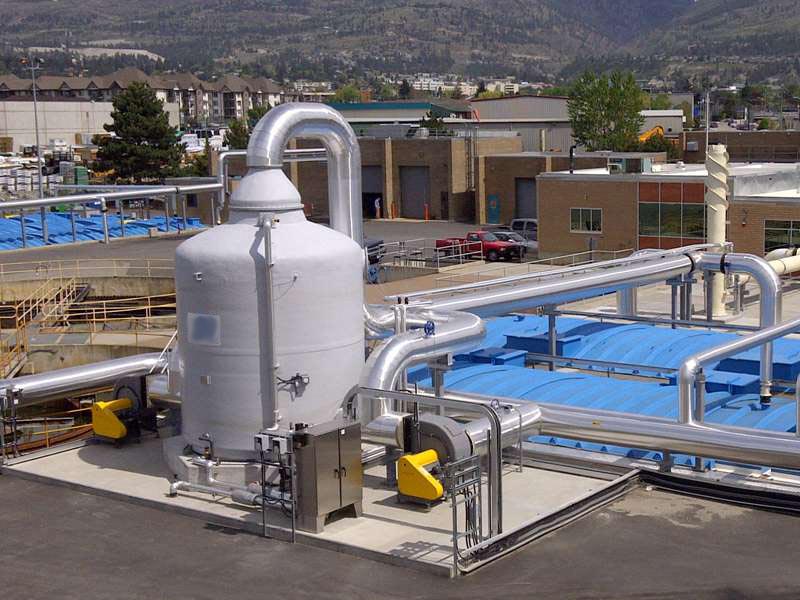
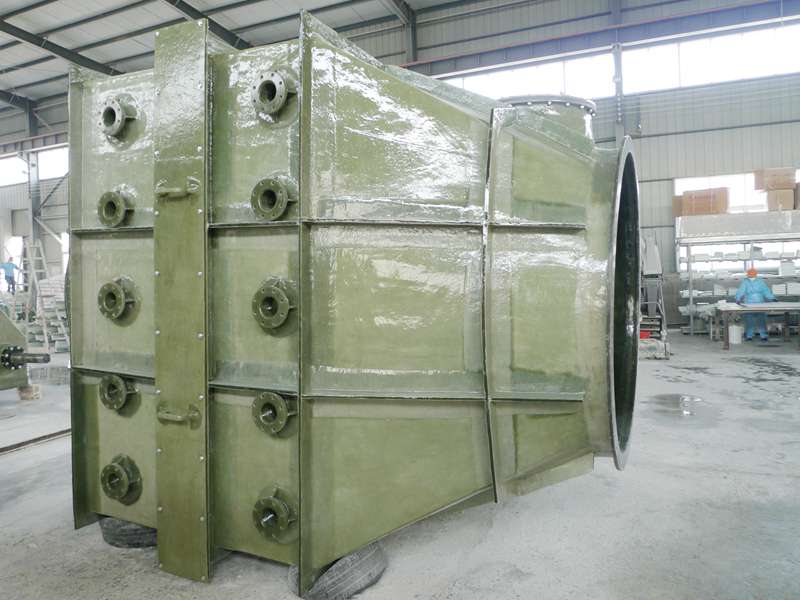
Now, fiberglass clarifiers are essentially sedimentation tanks molded from fiberglass-reinforced plastic (FRP). Their lightweight yet robust construction makes them ideal for corrosive environments where traditional steel tanks would quickly degrade. I've seen fiberglass clarifiers last well beyond 15 years with minimal maintenance, which frankly beats the hassle of rusting steel any day.
What's especially interesting is the way these clarifiers are engineered. The FRP shells are fabricated with high-strength resin matrices layered with fiberglass mats or woven roving for reinforcement. This layering isn't just cosmetic—it dramatically increases impact resistance and overall durability against daily wear and tear. Plus, the corrosion resistance isn't just a marketing blip; it's a lifesaver in chemical-laden wastewater applications.
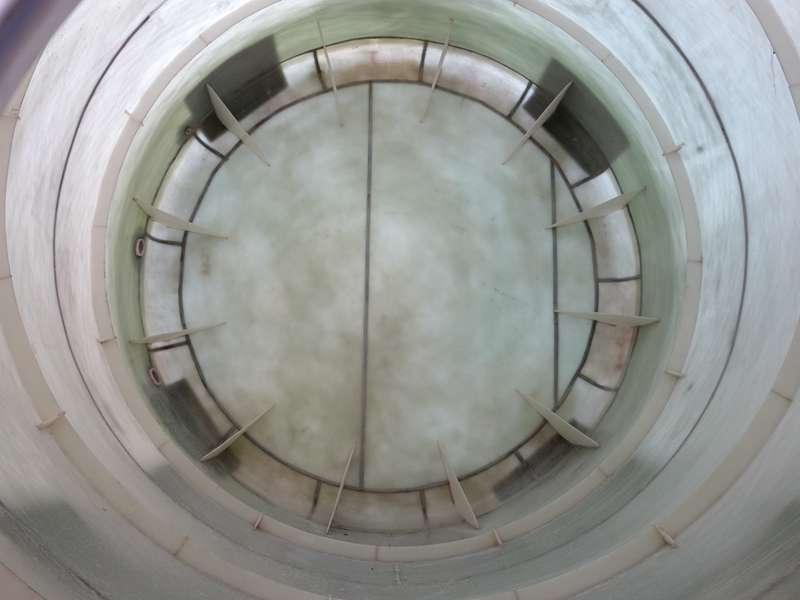
One of my favorite features of these clarifiers is their customizable design. From typical circular tanks to rectangular or even square models depending on site constraints, they adapt rather well. Many vendors also offer internal components like sludge scrapers, launder systems, and flow distribution devices tailored precisely to your process needs.
Talking about usage, I’ve noticed that operators appreciate the fiberglass clarifier's ease of installation due to lighter weight and modular construction. There's usually no need for heavy cranes or large foundations, which lowers upfront costs and downtime. Maintenance crews love that cleaning the interior is simpler because FRP surfaces resist biofouling and scale buildup better than steel.
| Parameter | Value |
|---|---|
| Diameter | 2–10 meters (custom sizes available) |
| Height | 3–6 meters |
| Material | Fiberglass Reinforced Plastic (FRP) |
| Design Life | 15+ years (typical) |
| Corrosion Resistance | Excellent against chemicals and salts |
| Weight | Up to 40% lighter than steel equivalents |
Of course, not all fiberglass clarifier vendors are created equal. Some specialize in rapid turnaround but might skimp on quality control, while others prioritize customization and durability. Here's a quick comparison based on my experience and industry chatter:
| Feature | Jrain-FRP | Alpha Fiberglass | ClearWater Equip. |
|---|---|---|---|
| Product Range | Extensive, fully customizable | Moderate, standard sizes | Broad, but less custom options |
| Quality Assurance | Strict, ISO certified | Basic QA, in-house | Standard industry audits |
| Lead Time | 4–6 weeks | 3–5 weeks | 5–7 weeks |
| Price Range | Moderate to premium | Lower range | Competitive mid-range |
| After Sales Support | Comprehensive service & training | Basic support | Solid regional presence |
I remember a client in the food processing sector who switched to a fiberglass clarifier from an older steel tank. They were initially worried about durability — you know, how a plastic-tank would hold up. However, after three years of near-continuous operation, they reported virtually no corrosion, easier maintenance, and improved sludge handling. It felt like a game-changer for their operations.
In real terms, whether it’s chemical plants, municipal water treatment, or food & beverage processing, the fiberglass clarifier offers a blend of lightweight design and strong chemical resistance that frankly can’t be beat by conventional materials.
To sum up: If you’re hunting for a clarifier that balances durability, customization, and ease of maintenance, fiberglass clarifiers are definitely worth a close look. They might just surprise you with their longevity — especially if you’re used to the headaches of rusting steel tanks.
— Jake F., Industrial Equipment Specialist with 15+ years hands-on experience.
References:
1. Industry Water Treatment Handbook, 2020 Edition
2. FRP Manufacturing Standards, ASTM D4097
3. Case Studies on Fiberglass System Longevity, Journal of Industrial Equipment, 2022
Latest news
-
Industrial High Pressure Fiberglass Pipe Guide and Technical SpecsNewsApr.16,2026
-
Industrial Storage Guide for Fiberglass Chemical TanksNewsApr.09,2026
-
Explore Durable and Customizable Custom Fiberglass Tanks for Your IndustryNewsApr.07,2026
-
Comprehensive Guide to Fiberglass Roof Tanks for Liquid Storage SolutionsNewsApr.04,2026
-
Comprehensive Guide to Durable and Corrosion Resistant Glass Fiber TanksNewsMar.31,2026
-
Comprehensive Guide to Tank Fiberglass Solutions and Their Diverse ApplicationsNewsMar.28,2026