

Durable GRP Handrail Solutions for Industrial Safety | J Rain FRP
Understanding GRP Handrail in Industrial Settings
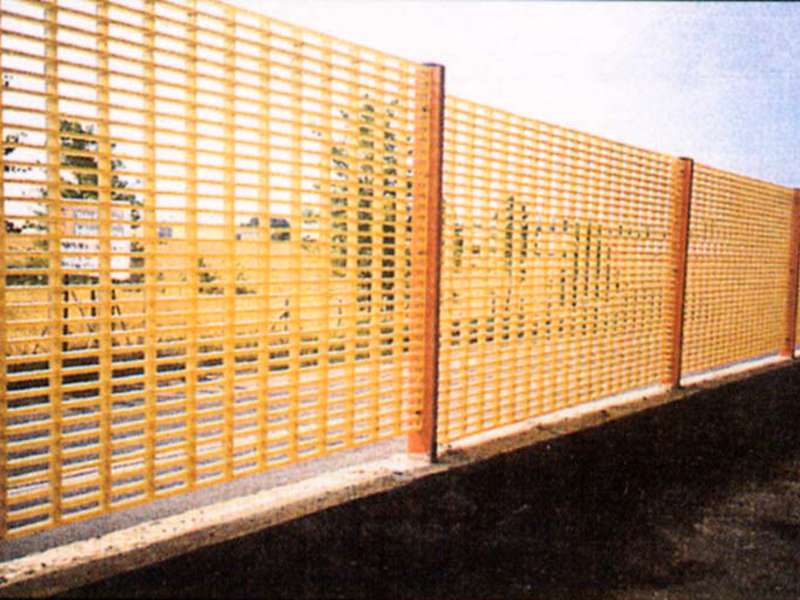
Having spent well over a decade working around heavy industrial equipment, I’ve learned that some things just stick with you — and one of those is how critical a well-made handrail can be. When it comes to safety barriers and support rails in environments that are exposed to corrosive elements or harsh weather, GRP handrail (Glass Reinforced Plastic) has proven time and again to be a quietly dependable choice.
Oddly enough, when you first see a GRP handrail, it doesn’t scream “industrial strength.” It feels almost lightweight compared to metal alternatives, but that’s part of the charm. This composite material blends fiberglass with resin, making it resistant to rust, chemicals, and UV damage. In real terms, that translates to less maintenance and longer lifespan — and for facility managers, that’s a huge win.
Now, some engineers I’ve chatted with mention that GRP has this flexibility that avoids the brittleness of pure plastic parts. I suppose you could say it “gives” just enough under pressure without cracking, which makes it ideal for handrails along walkways or platforms where some give can prevent nasty cracks.
Key Product Specifications of Common GRP Handrail Systems
| Feature | Specification |
|---|---|
| Material Composition | Fiberglass Reinforced Polyester Resin |
| Standard Length | 3 meters (custom lengths available) |
| Section Profile | Round or square tubes with mounting flanges |
| Weight | Approx. 1.5 kg per meter |
| Temperature Resistance | -40°C to +120°C |
| UV Resistance | Excellent, meets ASTM G154 standards |
| Load Capacity | Complies with OSHA handrail standards |
What’s particularly useful is how customizable GRP handrails can be. I remember one project at a chemical plant where we needed handrails resistant not only to acids but also to frequent washdowns with high-pressure water. The vendor provided custom resins that made the rails practically impervious. Plus, because the material is so lightweight, installation was surprisingly quick and didn’t require heavy machinery.
Vendor Comparison: GRP Handrail Providers
| Vendor | Material Quality | Customization Options | Price Range | Lead Time |
|---|---|---|---|---|
| J Rain FRP | High-grade fiberglass with UV additives | Full range: colors, sizes, custom profiles | Mid to premium | 4-6 weeks |
| Industrial Plastics Co. | Standard fiberglass | Limited customization | Budget friendly | 2-4 weeks |
| SafeRail Solutions | Premium fiberglass with chemical resistance | Wide, but lead times longer | Premium | 6-8 weeks |
One thing I’ve noticed about working with vendors like J Rain FRP is their approach to blending tradition with innovation. They respect proven formulations but are always tweaking resin blends or fabrication techniques to keep up with emerging industrial demands. Honestly, it’s a bit reassuring to find a supplier that gets how important it is not just to meet standards, but to ensure real-world reliability.
Of course, no material is perfect for every situation. I’ve seen GRP handrails wear down under constant intense abrasion — so if you’re dealing with continuous heavy impact or extreme temperatures beyond the usual industrial range, you might want to look closer. But for most chemical plants, offshore rigs, or water treatment facilities, GRP handrails strike a pretty solid balance between strength, durability, and cost-effectiveness.
At the end of the day, I suppose it boils down to this: safety isn’t a place to cut corners, and a GRP handrail can silently hold a lot of weight — literally and figuratively — when you need it most.
References:
1. ASTM G154 – Standard Practice for Operating Fluorescent Ultraviolet (UV) Lamp Apparatus for Exposure of Nonmetallic Materials
2. OSHA Handrail Standards, 29 CFR 1910.29
3. J Rain FRP Product Catalog, 2023
Latest news
-
Industrial High Pressure Fiberglass Pipe Guide and Technical SpecsNewsApr.16,2026
-
Industrial Storage Guide for Fiberglass Chemical TanksNewsApr.09,2026
-
Explore Durable and Customizable Custom Fiberglass Tanks for Your IndustryNewsApr.07,2026
-
Comprehensive Guide to Fiberglass Roof Tanks for Liquid Storage SolutionsNewsApr.04,2026
-
Comprehensive Guide to Durable and Corrosion Resistant Glass Fiber TanksNewsMar.31,2026
-
Comprehensive Guide to Tank Fiberglass Solutions and Their Diverse ApplicationsNewsMar.28,2026