



Durable GRP Shell Solutions for Industrial Equipment | JRAIN FRP
Why GRP Shell Remains a Trusted Choice in Industrial Equipment
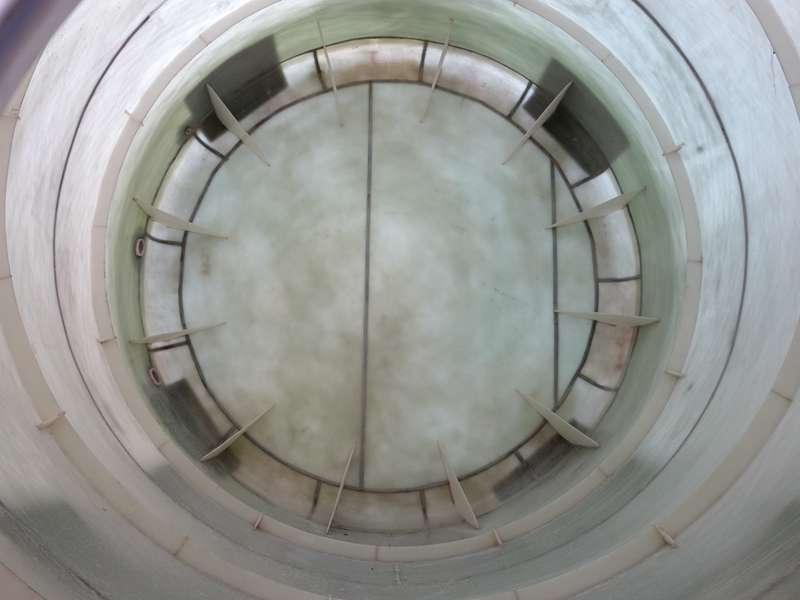
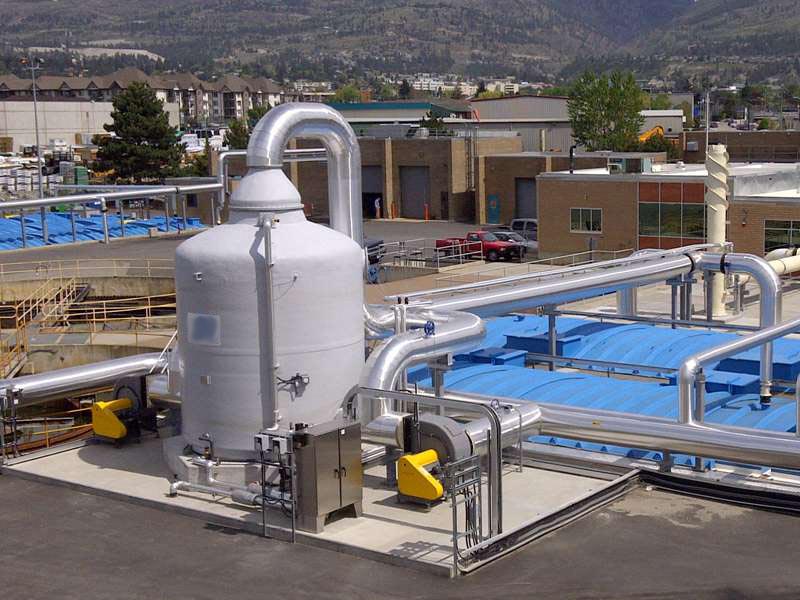
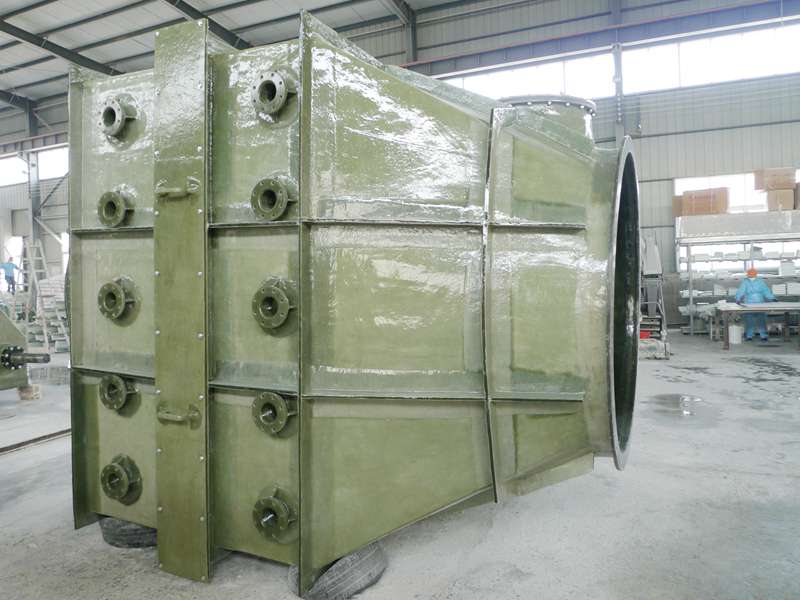
From my years in the industrial equipment sector, I’ve noticed something interesting: while steel and aluminum often steal the industrial spotlight, the GRP shell – that is, the glass-reinforced plastic shell – quietly holds its ground, often outperforming expectations in key areas. GRP shells have a way of combining strength with corrosion resistance that many engineers, myself included, find invaluable — especially in harsh environments.
Oddly enough, the material itself isn’t new: fiberglass reinforcements have been around for decades. But the way the shells are molded, cured, and customized continues to evolve, offering improved durability and design flexibility. I remember one project where a GRP shell replaced a pricey stainless steel vessel in a chemical plant. Not only did it perform well, but the maintenance downtime was drastically reduced. That was a real “aha” moment.
What Makes GRP Shells Stand Out?
Frankly, it’s the blend of materials and manufacturing techniques. GRP shells are composed of polyester or vinyl ester resins reinforced with glass fibers. This composite structure makes the shell resistant to corrosion from acids, alkalis, and salts — something metals struggle with unless they’re carefully coated. Beyond corrosion, the weight of a GRP shell is much lighter than steel, which simplifies transportation and installation on site. I’ve often heard plant engineers say, “it feels like a practical upgrade rather than an expense.”
And then there’s customization. Unlike traditional metal shells, GRP shells can be molded into complex shapes, lending themselves well to unique industrial specs. For unusual site constraints or process needs, this flexibility can be a game changer.
| Specification | Details |
|---|---|
| Material | Polyester or Vinyl Ester Resin with E-Glass fiber reinforcement |
| Thickness | 5 mm – 25 mm (customizable) |
| Diameter Range | 500 mm – 5000 mm |
| Temperature Resistance | Up to 120°C (depending on resin) |
| Corrosion Resistance | Excellent against acids, alkalis, most chemicals |
| Weight | ~1/4 the weight of steel |
| Customization | Shapes, thicknesses, included fittings |
Comparing Vendors: What to Look For
You know, in industrial procurement, vendor reliability is just as crucial as product quality. When I was responsible for sourcing shells, I quickly learned not all suppliers are equal. Here’s a quick glance at some key considerations and how top vendors often differ.
| Criteria | Vendor A (Large Manufacturer) | Vendor B (Specialized Custom Maker) | Vendor C (Regional Supplier) |
|---|---|---|---|
| Customization Options | Moderate (standard models) | High (tailored shapes & specs) | Low (mostly catalog items) |
| Lead Time | 4–6 weeks | 6–8 weeks | 2–4 weeks |
| Technical Support | Strong engineering team | Direct access to designers | Basic support |
| Warranty | 5 years | 3 years | 1 year |
| Price Range | $$$ (premium) | $$ (mid-range) | $ (budget) |
A Quick Customer Story
To share a quick anecdote — a mid-sized food processing plant recently replaced their aging stainless steel tanks with GRP shells for their ingredient storage. The operators were initially skeptical, but within months, maintenance visits dropped, and cleaning became effortless thanks to corrosion resistance and non-stick properties. The plant manager told me, “It feels like we’re finally moving toward smarter, more efficient solutions.”
That’s the kind of real-world benefit I’ve seen repeatedly. In real terms, GRP shells aren’t just components; they’re practical investments that sometimes fly under the radar but deliver value every single day.
If you’re considering options for lightweight, corrosion-resistant shells, looking into the GRP shell might just save you time and headaches later on.
References:
1. Industrial Composite Materials Handbook, 3rd Edition (2019)
2. “Advances in GRP Manufacturing,” Journal of Industrial Engineering, 2021
3. Case Study: Food Plant Upgrade with GRP Tanks, published by JRAIN FRP, 2023
Latest news
-
Industrial High Pressure Fiberglass Pipe Guide and Technical SpecsNewsApr.16,2026
-
Industrial Storage Guide for Fiberglass Chemical TanksNewsApr.09,2026
-
Explore Durable and Customizable Custom Fiberglass Tanks for Your IndustryNewsApr.07,2026
-
Comprehensive Guide to Fiberglass Roof Tanks for Liquid Storage SolutionsNewsApr.04,2026
-
Comprehensive Guide to Durable and Corrosion Resistant Glass Fiber TanksNewsMar.31,2026
-
Comprehensive Guide to Tank Fiberglass Solutions and Their Diverse ApplicationsNewsMar.28,2026