



Exploring the Benefits of Fiberglass Reinforced Plastic Pipe for Modern Infrastructure
Fiberglass Reinforced Plastic Pipe: A Comprehensive Guide
Fiberglass reinforced plastic pipe (FRP pipe) is a versatile and durable solution for a wide range of applications, from municipal water systems to industrial processing plants. Its lightweight nature, corrosion resistance, and high strength make it an increasingly popular alternative to traditional piping materials like steel, concrete, and ductile iron. This article will delve into the benefits, applications, and key considerations when choosing FRP pipe for your project. Understanding the advantages of FRP pipe can lead to significant cost savings and increased efficiency over the lifespan of your infrastructure.
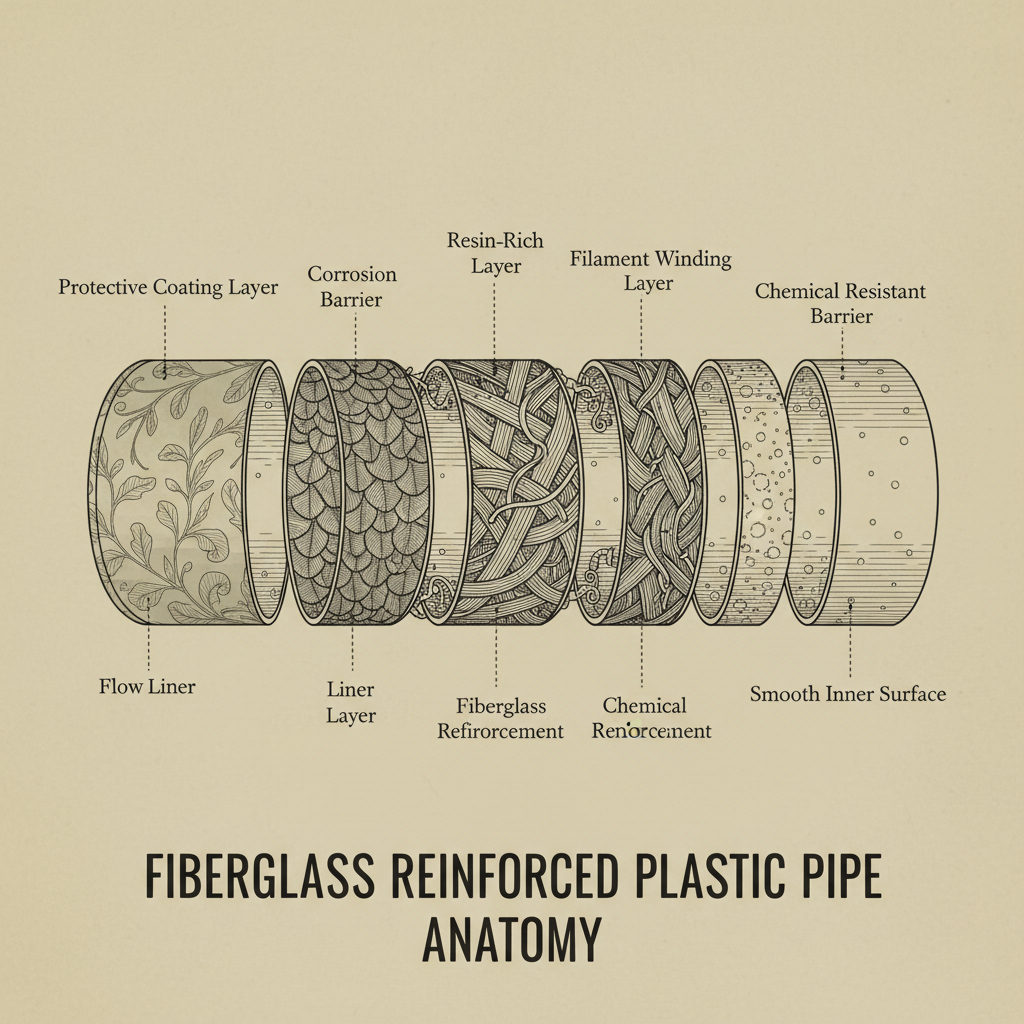
What is Fiberglass Reinforced Plastic Pipe?
FRP pipe is constructed from a combination of thermosetting resins (like polyester, vinyl ester, or epoxy) and reinforcing fibers, most commonly fiberglass. This combination creates a pipe that is incredibly strong, yet significantly lighter than metal alternatives. The resin matrix protects the fiberglass fibers from environmental damage and distributes loads evenly. The fiberglass provides the tensile strength, preventing the pipe from stretching or breaking under pressure. The result is a durable, long-lasting, and highly reliable piping solution.
Key Highlights: Combines thermosetting resins with fiberglass reinforcement for superior strength-to-weight ratio. Offers excellent corrosion resistance, reducing maintenance costs and extending service life.
Key Benefits of Using FRP Pipe
There are numerous advantages to utilizing fiberglass reinforced plastic pipe. Beyond its strength and lightweight characteristics, FRP pipe boasts exceptional corrosion resistance, meaning it won’t rust or degrade when exposed to harsh chemicals, saltwater, or acidic environments. This dramatically reduces maintenance costs and extends the lifespan of the pipeline. Its smooth inner surface minimizes friction loss, improving flow rates and reducing energy consumption. Furthermore, FRP pipe is non-conductive, making it safer for use in applications where electrical hazards are present.
FRP Pipe Advantages:
• Superior corrosion resistance
• Lightweight and easy to install
• High strength-to-weight ratio
• Smooth inner surface for reduced friction loss
FRP Pipe vs. Traditional Piping Materials
When comparing FRP pipe to traditional materials like steel, concrete, and ductile iron, several key differences emerge. Steel is prone to corrosion, requiring regular coating and maintenance. Concrete is heavy and susceptible to cracking. Ductile iron, while more durable than steel, still experiences corrosion issues. FRP pipe offers a compelling alternative, providing long-term reliability and reduced life-cycle costs.
Common Applications of Fiberglass Reinforced Plastic Pipe
FRP pipe is utilized across a diverse spectrum of industries. In municipal water and wastewater treatment, it provides a corrosion-resistant and reliable solution for conveyance systems. Chemical processing plants rely on FRP pipe to safely transport aggressive chemicals without degradation. The oil and gas industry utilizes it for pipelines and storage tanks. Other applications include power generation, mining, and pulp and paper mills. Jrain-FRP offers solutions for a wide range of these applications.
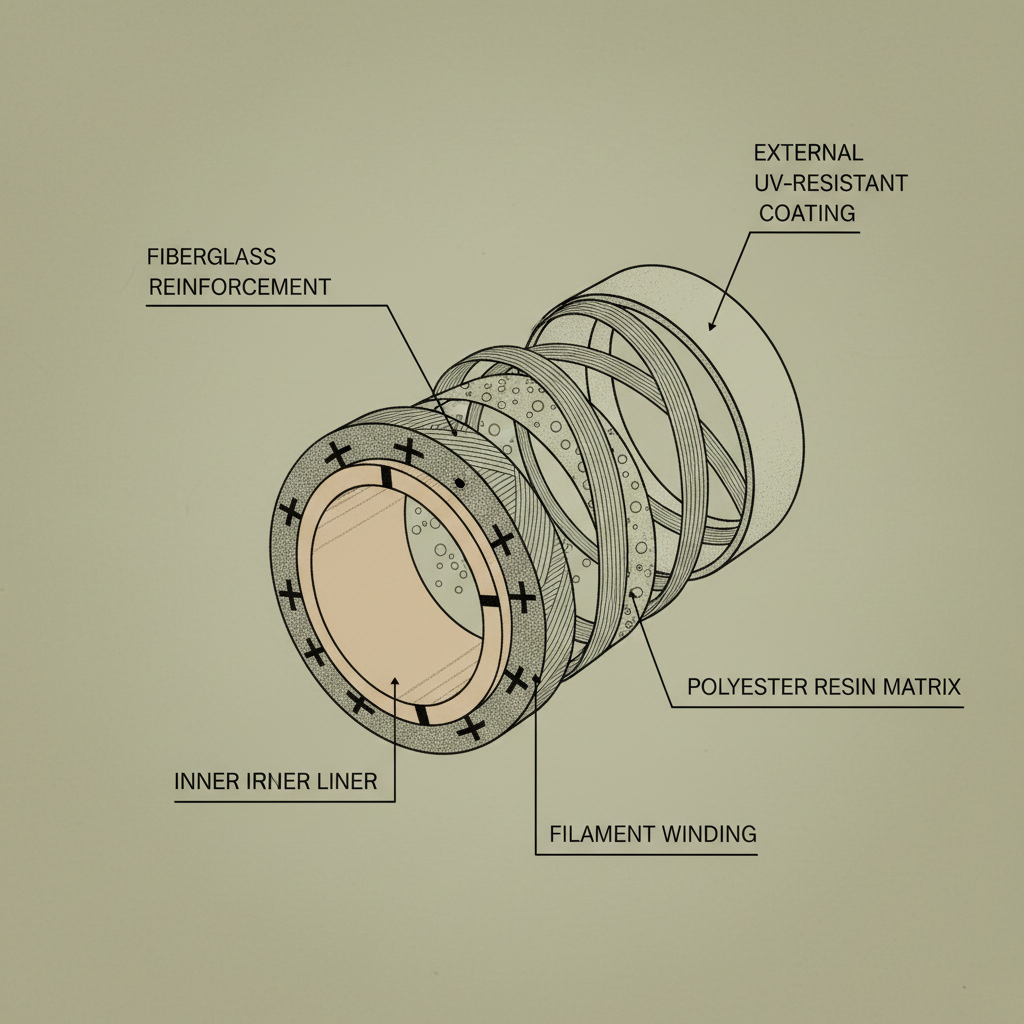
Choosing the Right FRP Pipe for Your Project
Selecting the correct FRP pipe requires careful consideration of several factors. These include the operating pressure, temperature, the chemical composition of the fluid being transported, and the external environmental conditions. Different resin systems offer varying levels of chemical resistance and temperature tolerance. The diameter and wall thickness of the pipe should be appropriately sized to meet flow rate requirements and withstand internal pressure. Consulting with an experienced FRP pipe supplier, like Jrain-FRP, is crucial for ensuring optimal performance and longevity.
Conclusion: The Future is FRP
Investing in fiberglass reinforced plastic pipe is a smart decision for projects demanding durability, reliability, and long-term cost savings. Its superior properties and wide range of applications make it an ideal solution for numerous industries. Embrace the future of piping with FRP.
Frequently Asked Questions (FAQs)
What is the typical lifespan of FRP pipe?
The lifespan of FRP pipe is significantly longer than traditional materials, often exceeding 50 years with proper installation and maintenance. Its corrosion resistance is the key factor, preventing degradation over time. The actual lifespan will depend on factors such as operating pressure, temperature, and the specific chemicals being transported. Regular inspections are recommended to identify any potential issues early on, but typically, FRP pipe requires minimal maintenance throughout its service life.
How is FRP pipe installed?
FRP pipe is relatively easy to install, requiring similar techniques to traditional piping materials. It's lightweight nature simplifies handling and reduces the need for heavy lifting equipment. Common installation methods include bell-and-spigot joints, flanged connections, and adhesive bonding. Proper alignment and joint sealing are crucial for ensuring a leak-free system. Professional installation is recommended to guarantee optimal performance and longevity.
What resins are commonly used in FRP pipe manufacturing?
The most common resins used in FRP pipe manufacturing are polyester, vinyl ester, and epoxy. Polyester resins are cost-effective and suitable for a wide range of applications. Vinyl ester resins offer improved chemical resistance compared to polyester. Epoxy resins provide the highest levels of corrosion resistance and strength, making them ideal for demanding environments. The choice of resin depends on the specific application requirements and the chemicals being transported.
Is FRP pipe suitable for high-pressure applications?
Yes, FRP pipe can be engineered to withstand very high pressures. The strength of the pipe is determined by the type of resin, the amount of reinforcement fiber, and the wall thickness. Manufacturers can tailor the pipe’s construction to meet specific pressure requirements. It's crucial to consult with an experienced FRP pipe supplier to ensure the chosen pipe is appropriate for the intended operating pressure.

Latest news
-
Industrial High Pressure Fiberglass Pipe Guide and Technical SpecsNewsApr.16,2026
-
Industrial Storage Guide for Fiberglass Chemical TanksNewsApr.09,2026
-
Explore Durable and Customizable Custom Fiberglass Tanks for Your IndustryNewsApr.07,2026
-
Comprehensive Guide to Fiberglass Roof Tanks for Liquid Storage SolutionsNewsApr.04,2026
-
Comprehensive Guide to Durable and Corrosion Resistant Glass Fiber TanksNewsMar.31,2026
-
Comprehensive Guide to Tank Fiberglass Solutions and Their Diverse ApplicationsNewsMar.28,2026