



Durable Fiberglass Field Tanks for Industrial Storage
Fiberglass Field Tank: Durable Solutions for On-Site Storage
Having spent more than a decade working with industrial equipment—often under tough field conditions—I’ve seen how important it is to trust the gear you bring onsite. When it comes to fiberglass field tanks, these pieces of equipment strike an interesting balance between durability and versatility. Oddly enough, they’re not just about holding liquid; they’re about standing up to the elements while keeping your processes running smooth.
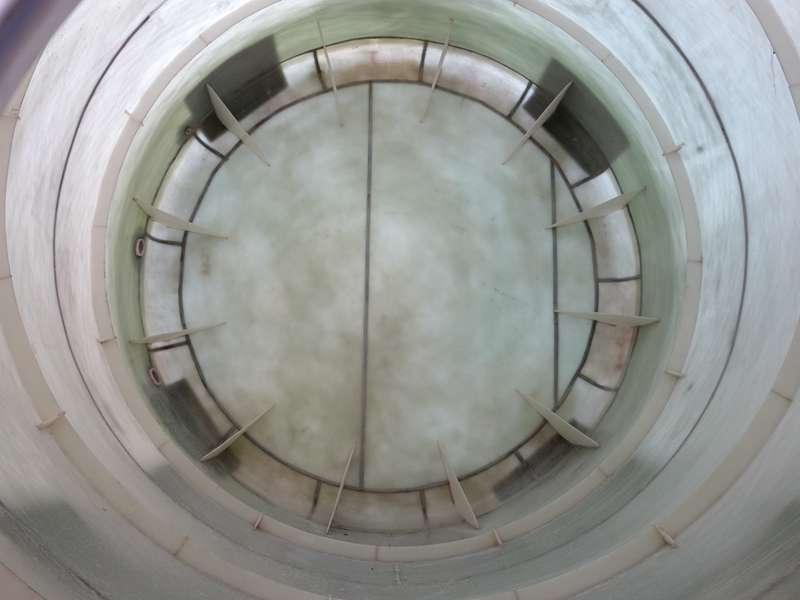
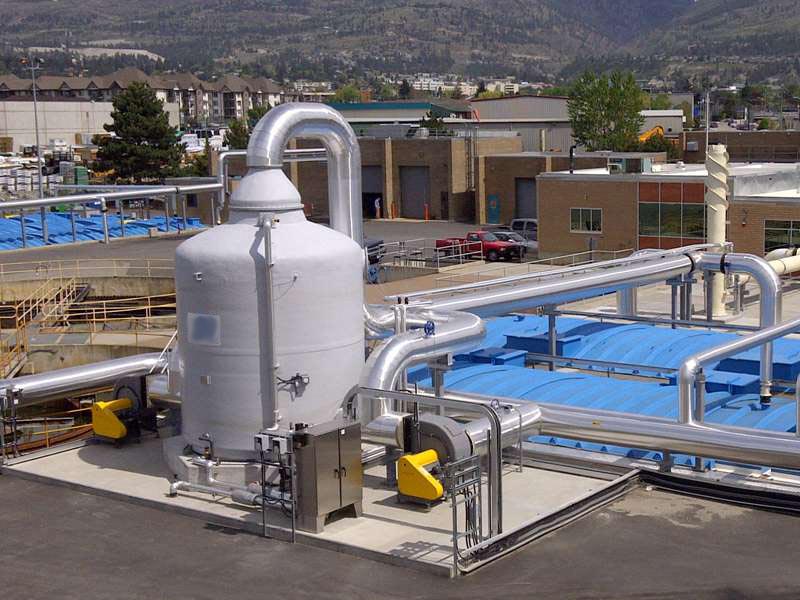
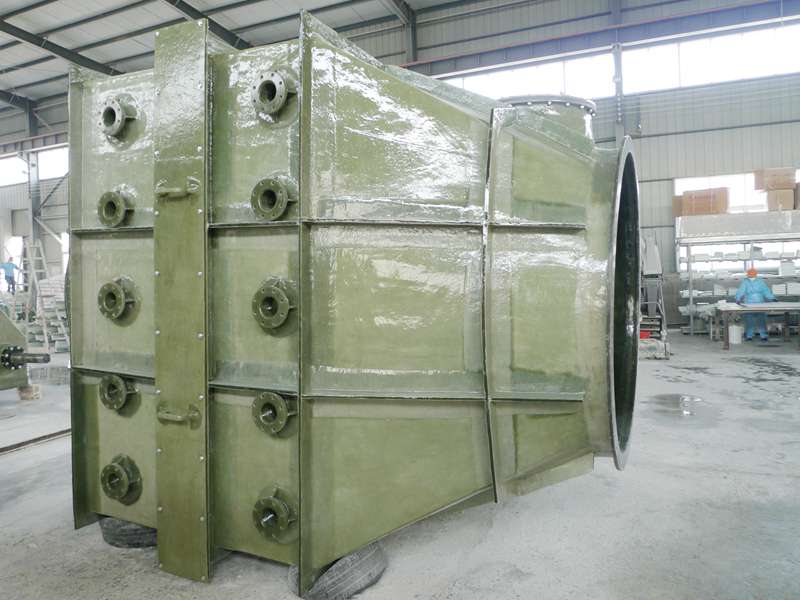
In real terms, a fiberglass field tank is a storage tank made of glass-reinforced plastic (GRP). It’s designed for demanding outdoor and industrial environments—think chemical plants, agricultural sites, or remote construction areas. The inherent corrosion resistance and lightweight nature of fiberglass mean you get a tank that can be relocated easier than steel counterparts, without sacrificing strength or safety.
Many engineers I know appreciate these tanks because the material doesn’t rust or degrade when exposed to harsh chemicals or UV radiation. Frankly, it feels like a reliable workhorse—but one that also understands that field conditions can be unpredictable. The tank’s non-conductive properties also add a layer of safety in environments where electrical hazards could be a concern.
Here’s a quick overview of typical specs for a standard fiberglass field tank to give you a clearer picture:
| Specification | Details |
|---|---|
| Material | Glass Reinforced Plastic (GRP) |
| Capacity | Typically 1,000 - 10,000 gallons |
| Dimensions | Customizable; typical diameters 5-10 ft; length varies |
| Corrosion Resistance | Excellent against chemicals & UV exposure |
| Weight | Significantly lighter than steel (up to 70% less) |
| Typical Applications | Chemical storage, water holding, fuel storage, agriculture |
Customization is often key for clients. I remember a project where a midwestern agricultural supplier needed a tank that could hold fertilizer mix without reacting. The manufacturer tweaked the resin and gel coat to enhance chemical resistance—because not all fiberglass tanks are created equal. Sometimes, it’s these fine details that make a substantial difference in field reliability.
Now, in terms of choosing a vendor for fiberglass field tanks, it’s worthwhile to consider factors like material quality, fabrication expertise, customization options, and price. Below is a glance at how some prominent vendors stack up based on these aspects:
| Feature | Jrain FRP | Vendor B | Vendor C |
|---|---|---|---|
| Material Quality | High-grade ISO-certified resin | Standard resin | Premium resin |
| Customization | Extensive, including specs & coatings | Limited | Moderate |
| Price | Competitive | Lower | Higher |
| Lead Time | 4-6 weeks typical | 3-4 weeks | 6-8 weeks |
| Post-Sale Support | Strong, with field service options | Minimal | Moderate |
Fiberglass field tanks have grown popular not only because they perform well against corrosion and weather but also thanks to improved manufacturing methods allowing better customization. You can almost always find a tank that fits your environmental needs and budget without settling.
Before signing off, here’s a quick anecdote: once, on a coal mining site, a fiberglass tank prevented a chemical spill that could have been disastrous. Its tough gel coat held firm despite being knocked around by heavy machinery. Seeing that firsthand cemented my respect for this “unassuming” equipment.
If you’re scouting for a dependable, tough, and versatile storage solution, a fiberglass field tank - like the ones from Jrain FRP - is definitely worth considering. It’s not glamorous, but it’s the kind of solid reliability that helps keep industrial operations grounded and running.
1. "Understanding Fiberglass Composites for Tanks," Composite World, 2022.
2. Jrain FRP official product manuals and datasheets.
3. Field Engineer Testimonials, Industrial Storage Review, 2023.


Latest news
-
Industrial High Pressure Fiberglass Pipe Guide and Technical SpecsNewsApr.16,2026
-
Industrial Storage Guide for Fiberglass Chemical TanksNewsApr.09,2026
-
Explore Durable and Customizable Custom Fiberglass Tanks for Your IndustryNewsApr.07,2026
-
Comprehensive Guide to Fiberglass Roof Tanks for Liquid Storage SolutionsNewsApr.04,2026
-
Comprehensive Guide to Durable and Corrosion Resistant Glass Fiber TanksNewsMar.31,2026
-
Comprehensive Guide to Tank Fiberglass Solutions and Their Diverse ApplicationsNewsMar.28,2026