



Accurate Rectangular Tank Dimensions for GRP Calculation – Optimize Your Storage Solutions
Why Understanding Rectangular Tank Dimensions for GRP Calculation Matters Globally
In a world increasingly aware of water scarcity, infrastructure resilience, and industrial growth, the design and calculation of rectangular tanks—especially those made of Glass Reinforced Plastic (GRP)—play a critical role. These tanks aren't just containers; they are vital to sustainable water storage, chemical processing, and agricultural irrigation systems across continents.
Measuring and correctly calculating the rectangular tank with dimensions for GRP calculation is more than a technical tick-box. It's about optimizing resources, ensuring safety, and making eco-friendly choices that ripple globally—from rural communities to urban factories. Curious about why the specific focus on rectangular tanks? They’re often easier to manufacture and install than their cylindrical counterparts, and their shape offers unique calculation challenges and benefits that engineers worldwide tackle.
Mini takeaway: Accurate measurement and calculation of GRP rectangular tanks guarantee durability, compliance, and efficiency in numerous water and chemical storage applications worldwide.
Global Context: Why Rectangular Tanks Are More Relevant Than Ever
According to the United Nations, over 2 billion people live in water-stressed countries, intensifying the urgency for reliable water storage solutions (UN Water). Industrial sectors, especially chemicals and food processing, also depend heavily on storage tanks that must be safe, cost-effective, and corrosion-resistant. GRP tanks have become a popular choice due to their light weight and high strength.
However, a global challenge remains: inconsistencies in tank dimensions and calculation methods lead to underutilized capacity, structural issues, or costly overengineering. Engineers continually refine formulas for rectangular tank with dimensions for GRP calculation to optimize thickness, reinforcement, and lifespan. This is crucial in developing regions where every liter stored counts toward community wellbeing.
Mini takeaway: Global water scarcity and industrial demands create a pressing need for precise and standardized GRP tank dimension calculations.
Defining Rectangular Tank Dimensions and GRP Calculation
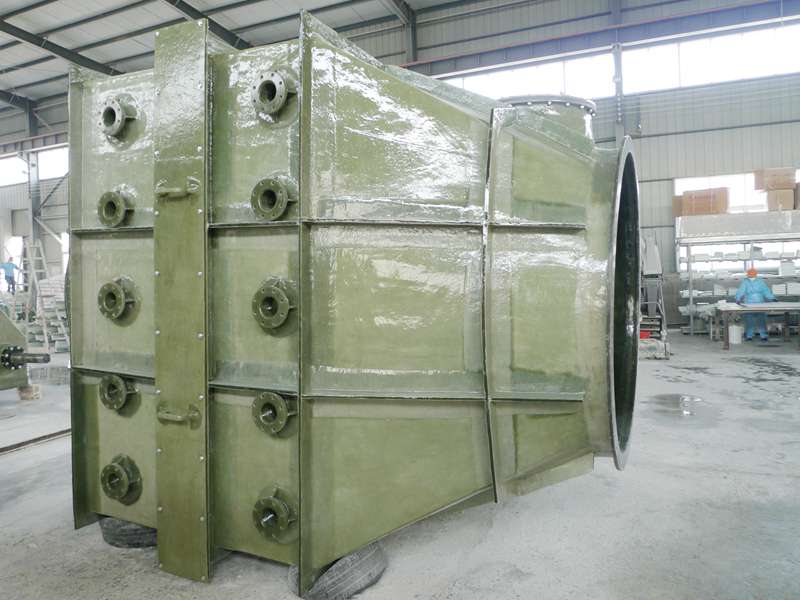
Simply put, a rectangular tank with dimensions for GRP calculation is a box-shaped container whose length, width, and height measurements determine how engineers calculate structural integrity and resin/glass fiber layers needed to withstand operational loads.
GRP itself is a composite made from plastic and glass fibers, prized for resistances like corrosion and UV degradation. Proper dimensioning feeds directly into load calculations such as internal fluid pressure and external environmental forces, framing how thick the walls must be and how reinforcement is layered.
Without accuracy here, imagine the consequences: leaks in water storage, or worse, catastrophic failure in chemical tanks. It’s a blend of geometry and materials science, crucial to modern infrastructure as well as emergency relief storage needs.
Mini takeaway: Rectangular tank dimensioning for GRP is the nexus of geometry and materials engineering, ensuring safe, durable storage.
Key Components Behind Rectangular Tank GRP Calculation
1. Accurate Dimensional Measurement
Length, width, and height must be precisely recorded, often to millimeters. Even a slight discrepancy affects volume and stress distributions—which, frankly, can make or break a design. Tools like laser measurement and digital calipers are commonplace here.
2. Material Properties: Glass Fiber & Resin Ratio
The quality and percentage of glass fiber versus resin dictate strength and flexibility. Knowing the tank’s exact dimensions influences how much fiber is layered in each wall, bottom, and joint.
3. Load and Pressure Calculations
Internal fluid weight and external loads (wind, seismic activity) require integration into the calculations. Using tank dimensions allows engineers to compute hydrostatic pressures and ensure adequate safety margins.
4. Wall Thickness Determination
One of the trickiest parts: deciding minimum and maximum wall thickness based on tank size and expected use. It’s a balance between adding weight and guaranteeing durability.
5. Structural Reinforcement Zones
Corners and base corners typically bear more strain. Dimensions help in mapping where extra reinforcement fibers or ribs should be applied.
6. Manufacturing & Installation Tolerances
Dimensions inform practical allowances for manufacturing variability and onsite installation — two factors that often get overlooked but cause considerable headaches if ignored.
Mini takeaway: Combining accurate measurements with thoughtful material layering ensures GRP rectangular tanks endure their demanding roles.
Real-World Applications: Where Geometry Meets Impact
Rectangular GRP tanks are versatile. In remote arid regions of Africa and Asia, these tanks collect and store rainwater for farming and household use. Humanitarian organizations often rely on these tanks for fast deployment in emergency relief after floods or earthquakes.
Industrial plants in Europe and North America utilize large rectangular tanks to safely store chemicals, and their dimensions must be precise to comply with environmental regulations. Food processing firms also swear by GRP tanks because they're easy to clean and customizable.
Example: In post-disaster relief operations in Southeast Asia, compact rectangular GRP tanks sized precisely via dimensional calculations provide reliable potable water storage for displaced families—proving life-saving value beyond industrial use.
Mini takeaway: The accurate dimensioning of GRP rectangular tanks meets a spectrum of needs—from rural development to high-stakes industrial compliance.
Advantages and Lasting Value of Proper Dimensioning in GRP Tanks
- Cost Efficiency: Optimized dimensions reduce waste in materials and labor.
- Durability and Safety: Proper thickness and reinforcement lower failure risks.
- Sustainability: GRP tanks resist corrosion and reduce frequent replacement cycles.
- Social Impact: Secure storage facilities underpin community health and dignity.
- Innovation Potential: Modular dimensioning enables scalable solutions and quicker deployment.
It’s not just numbers on a plan sheet. Accurate rectangular tank with dimensions for GRP calculation translates into dependable infrastructure people can trust, which is sometimes all a small town or factory can lean on.
Mini takeaway: Thoughtful dimensioning in GRP tanks pays dividends across financial, social, and environmental facets.
Emerging Trends and Innovations
I’ve noticed a growing push towards digital twin technologies, where tanks’ design and operational parameters are simulated using their dimensions and material data to predict lifespan and maintenance needs—cool stuff for asset management.
Moreover, eco-conscious designers are experimenting with hybrid GRP materials containing recycled fibers, which demands new calculation approaches for wall thickness and reinforcement aligned with precise tank dimensions.
Lastly, smart sensor integration relies on knowing spatial dimensions beforehand to embed IoT devices for real-time monitoring of fluid levels and structural health—turning static tanks into smart assets.
Mini takeaway: The future of GRP rectangular tanks lies in digital precision and sustainable innovation, powered by accurate dimensional data.
Common Challenges and Practical Solutions in Dimension-Based GRP Calculations
One sticky point is variability in raw materials and localized manufacturing standards that sometimes throw off exact dimensional expectations. Also, transportation and installation can warp the intended shapes—so it’s not uncommon for onsite adjustments.
To combat this, modular designs and strict QA protocols are increasingly standard. Experts advocate for on-site dimension verification using handheld scanners before final calculations to minimize surprises.
Additionally, standardized software tools for GRP calculation help harmonize design practices internationally, reducing technical errors.
Mini takeaway: Tackling real-world deviations needs flexible, tech-supported approaches alongside robust measurement and calculation practices.
Product Specification Table: Typical Rectangular GRP Tank
| Parameter | Specification | Notes |
|---|---|---|
| Length | 3.0 to 12.0 meters | Custom sizes available |
| Width | 1.5 to 6.0 meters | Varies by application |
| Height | 1.0 to 5.0 meters | Standard and tailored designs |
| Wall Thickness | 8 to 25 mm | Based on stress calculations |
| Material Composition | Resin 40-50%; Glass fiber 50-60% | Depends on tank use |
| Maximum Capacity | up to 300,000 liters | Large industrial tanks |
Vendor Comparison: Leading GRP Rectangular Tank Manufacturers
| Vendor | Dimension Precision | Material Quality | Customization | Delivery Time |
|---|---|---|---|---|
| TankCo Global | ±2 mm | Premium-grade resin & fiber | Extensive | 3-5 weeks |
| FibraStor Inc. | ±5 mm | Standard industrial grade | Moderate | 4-6 weeks |
| EcoTank Solutions | ±3 mm | Incorporates recycled materials | Limited | 6-8 weeks |
FAQs About Rectangular Tank Dimensions for GRP Calculation
Q: How do I accurately measure a rectangular tank for GRP calculation?
A: Use precise tools like laser distance meters or digital calipers to capture length, width, and height. Measurements should be made multiple times to verify consistency. Keep in mind manufacturing tolerances when finalizing your readings.
Q: Why is the wall thickness so important in these tanks?
A: Wall thickness determines structural strength and resistance to pressure and environmental stress. If too thin, the tank risks leaks and failure; if too thick, costs and weight rise unnecessarily.
Q: Can rectangular GRP tanks be customized for irregular spaces?
A: Yes, tanks can be tailored to specific dimension requirements, but this requires precise calculation of stresses on non-standard shapes and careful material layering to maintain integrity.
Q: Are GRP tanks environmentally friendly? How do the dimensions affect sustainability?
A: GRP tanks last long and resist corrosion, reducing replacements and waste. Correct dimensioning ensures optimal material usage, minimizing excess resin or fibers, which is better for the environment.
Q: Is there software available to assist with these calculations?
A: Absolutely, specialized engineering software integrates dimensional data with material properties to simulate stresses and optimize tank design, making calculations faster and more accurate.
Final Thoughts
At the end of the day, the importance of a rectangular tank with dimensions for GRP calculation cannot be overstated. Precise dimensions unlock efficient manufacturing, trusted performance, and long-term sustainability—essentials in a world tightening its belt on resources and demanding smarter infrastructure. If you’re involved with water or chemical storage, investing the time to understand these dimensions pays off in spades. It’s really a quiet guardian of reliability.
For practical insights, tailored solutions, or detailed specs, I invite you to explore more on rectangular tank with dimensions for grp calculation.
References



Latest news
-
Industrial High Pressure Fiberglass Pipe Guide and Technical SpecsNewsApr.16,2026
-
Industrial Storage Guide for Fiberglass Chemical TanksNewsApr.09,2026
-
Explore Durable and Customizable Custom Fiberglass Tanks for Your IndustryNewsApr.07,2026
-
Comprehensive Guide to Fiberglass Roof Tanks for Liquid Storage SolutionsNewsApr.04,2026
-
Comprehensive Guide to Durable and Corrosion Resistant Glass Fiber TanksNewsMar.31,2026
-
Comprehensive Guide to Tank Fiberglass Solutions and Their Diverse ApplicationsNewsMar.28,2026