



Comprehensive Guide to FRP Duct: Durable Industrial Ventilation Solutions
Frp Duct is a key solution in the industry, specifically within chemical processing, HVAC, and industrial ventilation sectors. This article explores how https://www.jrain-frp.com supports professionals with durable, high-performance products, and explains why this product is an ideal choice for businesses in these sectors.
Table of Contents
- Frp Duct Overview
- Benefits & Use Cases of Frp Duct
- Cost, Maintenance & User Experience
- Sustainability & Market Trends
Frp Duct Overview
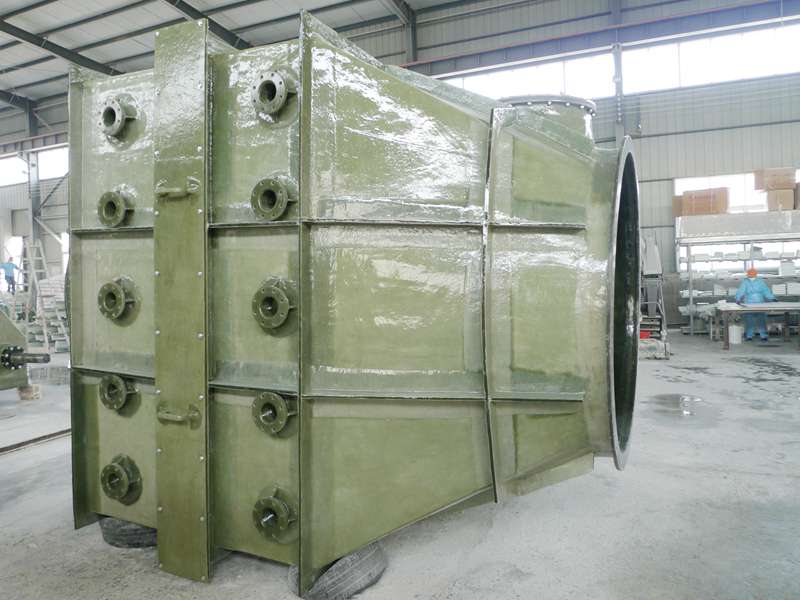
The term Frp Duct refers to ducts fabricated from Fiberglass Reinforced Plastic — a composite material made by combining fiberglass fibers with durable resin. This combination results in a product prized for its corrosion resistance, lightweight build, and remarkable structural strength. Frankly, it feels like the ideal medium for industries where harsh chemicals or moist environments quickly degrade traditional metal ducts. For instance, in chemical plants or coastal HVAC systems, FRP ducts can really outlast steel or aluminum alternatives.
- Designed to withstand aggressive chemicals, temperatures ranging typically from -40°C to 120°C, and high humidity.
- Common diameters range from 100mm to 2000mm, with standard thicknesses starting at 3mm but customizable for heavier duty jobs.
- Case studies from Jrain’s clients highlight usage in industrial ventilation systems lasting decades with minimal degradation.
| Specification | Details |
|---|---|
| Material Composition | Fiberglass & Isophthalic Polyester Resin |
| Temperature Range | -40°C to 120°C |
| Corrosion Resistance | Excellent against acids, alkalis, and salts |
| Standard Diameter Range | 100mm to 2000mm |
| Standard Thickness | 3mm and up (customizable) |
Benefits & Use Cases of Frp Duct
One of the things I’ve noticed myself is how versatile FRP ducts are. They show up in all sorts of industries — from wastewater treatment plants to food processing facilities. Why? Because their resistance to corrosion and chemical attack means these ducts hold up where steel would rust or degrade. Also, their lightweight nature makes installation simpler, lowering labor costs.
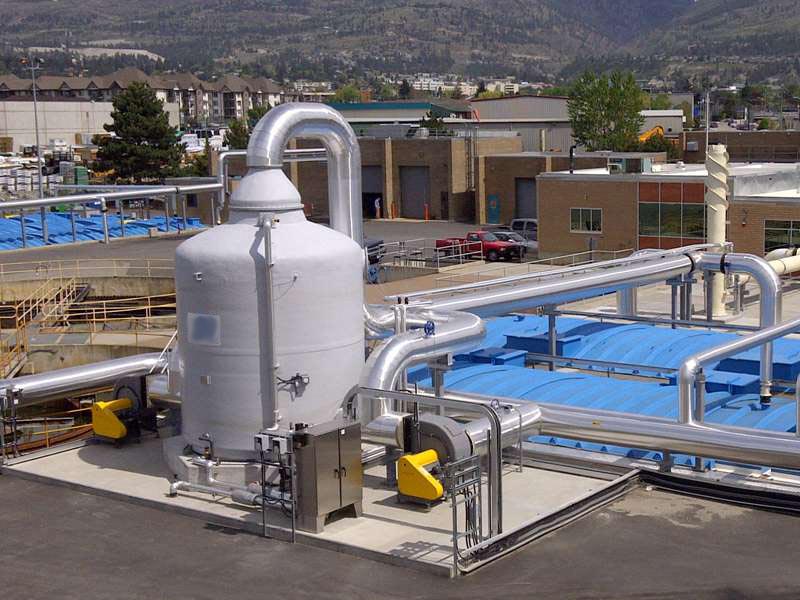
- Chemical plants use FRP ductwork for exhausting fumes safely without worrying about acid damage.
- In HVAC, their smooth interior reduces friction loss, improving airflow efficiency over typical galvanized ducts.
- Their ability to be custom fabricated into complex shapes means engineers get the exact configurations needed, something not always possible with metal.
| Feature | Jrain | Competitor A | Competitor B |
|---|---|---|---|
| Customization Options | Extensive, includes multi-layer laminates | Limited | Moderate |
| Lead Time | 2–4 weeks | 4–6 weeks | 3–5 weeks |
| Corrosion Resistance | Superior (ISO resin) | Standard | Good |
| Warranty | 5 years | 3 years | 4 years |
Cost, Maintenance & User Experience
Really, if you zoom out and look at total cost of ownership (TCO), FRP ducts seem like a savvy investment. The upfront cost tends to be a bit higher than galvanized steel — which some folks balk at — but durability means far fewer replacements or repairs over time. Many customers I’ve talked to value that low maintenance angle; these ducts rarely require costly coatings or rust treatments.
- Feedback from industrial clients often highlights ease of cleaning and resistance to biological growth inside ducts.
- The lightweight material reduces handling injuries on site, a helpful bonus in busy plants.
- Installation crews appreciate the customizable joints and fittings available from Jrain, cutting assembly time significantly.
Sustainability & Market Trends
Sustainability has become a huge driver behind the interest in FRP duct systems. Manufacturers are increasingly adopting resin formulas with better environmental footprints, and Jrain’s commitment to eco-friendly materials aligns well with tightening regulations worldwide. Oddly enough, despite being a plastic-based composite, FRP ducts can outlast many alternatives, reducing landfill waste in the long run.
- The market shows steady growth, fueled partly by industries adopting stricter emissions and air quality standards.
- Increasing customization and integration with smart sensor technologies promise to add value to FRP duct systems soon.
Frequently Asked Questions about Frp Duct
- What is Frp Duct and how does it work?
- FRP Ducts are pipes or ducts made from fiberglass reinforced plastic, combining strong glass fibers with polymers. This mix delivers a structure that resists corrosion, handles chemical exposure, and stays lightweight yet strong — perfect for harsh industrial use.
- What are the main benefits of using Frp Duct in industrial applications?
- Key benefits include corrosion resistance, long service life, easier maintenance, and lower lifecycle costs. They also improve airflow efficiency and can be custom shaped for specific plant requirements.
- How does Frp Duct compare to traditional alternatives?
- Compared to steel or aluminum, FRP ducts resist rust and chemical damage much better. They are lighter, easier to install, and often outperform metals in longevity, especially in aggressive environments.
- What industries can benefit most from Frp Duct implementation?
- Industries such as chemical manufacturing, HVAC, wastewater treatment, power generation, and food processing find FRP ducts especially beneficial thanks to their demanding environmental conditions.
Conclusion on Frp Duct from china
Ultimately, the Frp Duct stands out as a thoughtfully engineered product, ticking boxes for durability, cost-efficiency, and sustainability. If your operations rely on reliable ventilation or chemical exhaust systems, investing in FRP ductwork from reputed suppliers like Jrain makes solid business sense.
- Consider the long-term savings and reduced downtime from choosing FRP over traditional metals.
- Visit our website: https://www.jrain-frp.com
Reflecting on it all, it seems FRP duct technology has quietly transformed certain industrial segments. For decision-makers, it’s definitely worth a closer look – the old ways aren’t always the best ways.
- Jrain FRP Product Catalog, 2023
- Industry Insights on Composite Ducting, Chemical Engineering Journal, 2022
- Market Trends Report on Industrial Ventilation, 2023



Latest news
-
Industrial High Pressure Fiberglass Pipe Guide and Technical SpecsNewsApr.16,2026
-
Industrial Storage Guide for Fiberglass Chemical TanksNewsApr.09,2026
-
Explore Durable and Customizable Custom Fiberglass Tanks for Your IndustryNewsApr.07,2026
-
Comprehensive Guide to Fiberglass Roof Tanks for Liquid Storage SolutionsNewsApr.04,2026
-
Comprehensive Guide to Durable and Corrosion Resistant Glass Fiber TanksNewsMar.31,2026
-
Comprehensive Guide to Tank Fiberglass Solutions and Their Diverse ApplicationsNewsMar.28,2026