



Comprehensive Guide to FRP Fans: Benefits, Applications, and Future Trends
Understanding the FRP Fan: A Vital Component in Modern Ventilation
When you hear “FRP fan,” the first thing might be a plastic fan of some sort — but honestly, this term represents something far broader and more critical in various industries worldwide. FRP, or Fiber Reinforced Plastic, fans are a game-changer due to their unique material properties, combining strength with flexibility. They’re quietly solving major challenges in industrial ventilation, environmental sustainability, and even humanitarian relief.
Globally, the demand for efficient airflow systems has never been higher. According to the International Energy Agency (IEA), ventilation contributes to approximately 10-15% of industrial energy consumption, making energy-saving innovations crucial. FRP fans, being corrosion-resistant and lightweight, offer a compelling solution that tackles these challenges head-on. By understanding FRP fans, their technology and applications, businesses and organizations can significantly improve operational efficiency while being eco-conscious.
What Exactly is an FRP Fan?
Simply put, an FRP fan is a fan made from fiber reinforced plastic material. This composite mixes resin with fibers like glass or carbon to produce a fan blade or housing that's light, incredibly durable, and resistant to corrosion and chemicals. Unlike traditional metal fans—which corrode or rust over time—these fans last longer in harsh environments.
You’ll often find FRP fans in industries with aggressive conditions such as chemical plants, wastewater treatment, and even marine applications. Their lightweight nature also makes installation easier and reduces wear on motors.
Core Components and Key Factors of FRP Fans
1. Durability
FRP fans withstand corrosive substances and extreme weather conditions on a scale metals often can’t manage without bulky coatings or frequent maintenance.
2. Energy Efficiency
Because FRP fans are lightweight, less power is needed to spin them, boosting overall energy savings in continuous operation setups.
3. Cost Efficiency
Although the initial cost might be slightly higher compared to classic metal fans, the longer lifespan and minimal maintenance reduce total costs over time.
4. Design Flexibility
Manufacturers can customize blades and housings to optimize airflow characteristics for specific industrial needs.
5. Noise Reduction
FRP fans typically operate more quietly due to their material properties, enhancing workplace comfort.
FRP Fan Product Specifications
| Specification | Details |
|---|---|
| Material | Glass fiber reinforced polyester resin |
| Blade Diameter | Range from 0.3 m to 4.0 m |
| Operating Temperature | -20°C to 80°C (can be customized) |
| Corrosion Resistance | Excellent against acids, alkalis, salts |
| Weight | 30-50% lighter than comparable metal fans |
| Noise Level | Typically under 75 dB(A) at 3 meters |
Global Applications & Use Cases of FRP Fans
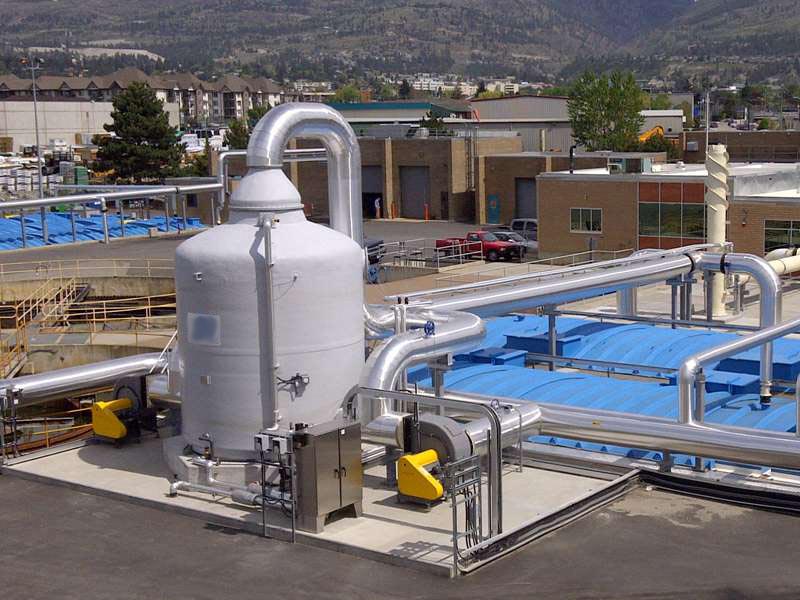
FRP fans find their place in a surprising variety of contexts. In wastewater treatment plants across Europe and North America, these fans ventilate corrosive gases safely over long periods without degrading — something traditional metal fans often fail at prematurely.
In tropical countries like India and Brazil, where humidity and chemical exposure are intense, FRP fans in manufacturing zones offer reliable performance, cutting downtime and maintenance costs. Oddly enough, they are now even cropping up in humanitarian relief efforts — especially for emergency shelters and mobile facilities requiring reliable ventilation shipped quickly and easily.
For example, a textile plant in Turkey replaced all its metal fans with FRP variants and saw a maintenance cost drop of nearly 40% in a single year. It feels like such stories underscore the tangible benefits these materials bring to heavy industry and beyond.
Vendor Comparison: FRP Fan Manufacturers
| Feature | Vendor A | Vendor B | Vendor C |
|---|---|---|---|
| Customization Options | High, bespoke blade profiles | Moderate, standard sizes | High, includes smart sensors |
| Price Range | $$$ | $$ | $$$ |
| Lead Time | 4-6 weeks | 2-3 weeks | 6-8 weeks |
| Warranty | 5 years | 3 years | 5 years |
Advantages and Long-Term Value of FRP Fans
True, choosing FRP fans might feel like a leap from more “traditional” metal options, but in the long haul, the benefits are significant. Energy savings can be up to 20% in continuous duty operations thanks to their lighter weight and tailored aerodynamic design. That’s not small change when you scale across large facilities.
Plus, the corrosion resistance means fewer shutdowns for repairs, which means safer and more dependable airflow — critical in both industrial safety and worker well-being. There’s something genuinely reassuring about equipment that doesn’t need frequent fixes and can withstand some of the harshest atmospheres out there.
Looking Ahead: Future Innovations in FRP Fans
With sustainability becoming a bigger deal worldwide, expect FRP fans to evolve alongside green energy initiatives. Research is ongoing into bio-resins replacing petroleum-based polymers, making these fans even more eco-friendly. Digital transformation means vendors are starting to offer fans with embedded sensors for remote condition monitoring, reducing unexpected failures.
And automation is advancing too, with variable speed drives integrated to optimize airflow dynamically, cutting down energy waste further. Frankly, the future seems quite bright for these composite-material fans — and the industries relying on them.
Overcoming Challenges: Experts Weigh In
No technology is without challenges, and FRP fans aren’t exceptions. Initial investment cost and unfamiliarity can deter some buyers. Also, repair techniques differ from metals — you can't just weld them on site.
Experts suggest that proactive maintenance and proper training for technicians reduce these barriers. Manufacturers are also improving modular designs that simplify replacement rather than repair — a handy development for remote industrial spots.
FAQs about FRP Fans
- Q: Are FRP fans more cost-effective than metal fans?
A: While FRP fans might have higher upfront costs, their lower maintenance needs and longer lifespan usually make them cheaper over time in corrosive environments. - Q: Can FRP fans operate in high temperature settings?
A: Yes, standard FRP fans typically handle up to 80°C, with some specialized versions engineered for higher temperatures. - Q: How do FRP fans compare in noise levels?
A: They generally produce less noise than metal fans due to their material’s vibration absorption, enhancing workplace comfort. - Q: Are FRP fans suitable for outdoor installations?
A: Absolutely. Their corrosion resistance and UV resistance make them perfect for outdoor and coastal applications. - Q: Where can I find reliable FRP fan suppliers?
A: Reputable suppliers offering customization and warranty can be found through industry directories or specialized websites, such as frp fan providers.
Wrapping Up: Why the FRP Fan Matters
In real terms, when you consider durability, energy efficiency, and adaptability, FRP fans are more than just a product; they’re an investment in reliable and sustainable airflow solutions. Over time, this translates to safer operations, fewer headaches from maintenance, and a lighter environmental footprint. If you’re in industries like chemical processing, wastewater treatment, or even humanitarian relief logistics, diving deeper into FRP fan technology is definitely worthwhile.
Curious to explore more? Visit https://www.jrain-frp.com for detailed product information and expert consultation.
A final thought: Choosing durable, energy-efficient ventilation solutions like FRP fans is not just smart business — it’s a step toward sustainability that simply feels right.


Latest news
-
Industrial High Pressure Fiberglass Pipe Guide and Technical SpecsNewsApr.16,2026
-
Industrial Storage Guide for Fiberglass Chemical TanksNewsApr.09,2026
-
Explore Durable and Customizable Custom Fiberglass Tanks for Your IndustryNewsApr.07,2026
-
Comprehensive Guide to Fiberglass Roof Tanks for Liquid Storage SolutionsNewsApr.04,2026
-
Comprehensive Guide to Durable and Corrosion Resistant Glass Fiber TanksNewsMar.31,2026
-
Comprehensive Guide to Tank Fiberglass Solutions and Their Diverse ApplicationsNewsMar.28,2026