

Comprehensive Guide to FRP Settler: Global Applications, Benefits & Innovations
Understanding the FRP Settler: A Vital Component in Modern Water Treatment
When diving into water treatment technologies, one term that often pops up is the frp settler. But why does it matter so much on a global scale? Frankly, ensuring clean water access is one of the biggest challenges worldwide, with over 2 billion people lacking safely managed drinking water (WHO, 2023). This demand pushes engineers and environmentalists to innovate efficient and durable water treatment solutions—and the FRP settler proves to be a key player.
In this article, we’ll unwrap what an frp settler actually is, why it is so relevant to industries and humanitarian efforts, and how it continues to evolve in our ever-changing world of sustainability and infrastructure. Plus, I’ll share practical specs and comparisons that can help you get a clearer picture of which options might fit your needs.
Global Context: Why FRP Settlers Are Crucial Now
Across the globe, urbanization and industrial growth are putting enormous pressure on water resources. The United Nations highlights that by 2050, nearly 60% of the global population will live in water-stressed regions (UN Water Report, 2022). That means cleaner and more effective wastewater treatment isn’t just a luxury—it’s a necessity for public health, ecosystems, and economies.
The frp settler is a proven technology that addresses one of the fundamental steps in wastewater treatment: settling out suspended solids. This upfront settling reduces contaminants before water moves on to more complex filtration stages, making the whole process more efficient and cost-effective.
What is an FRP Settler?
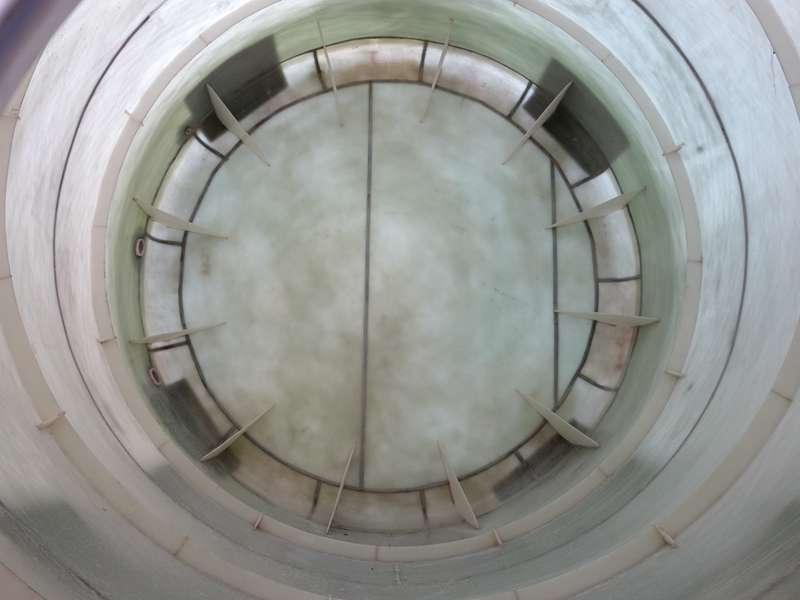
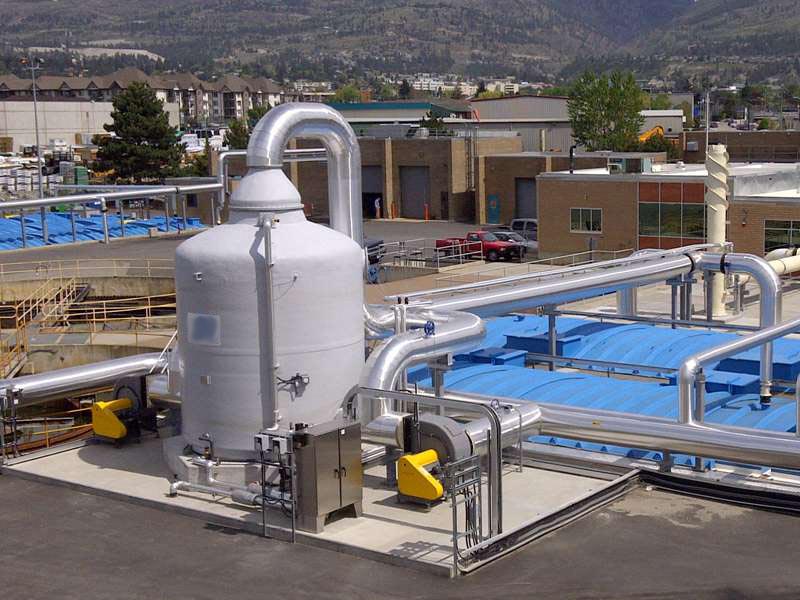
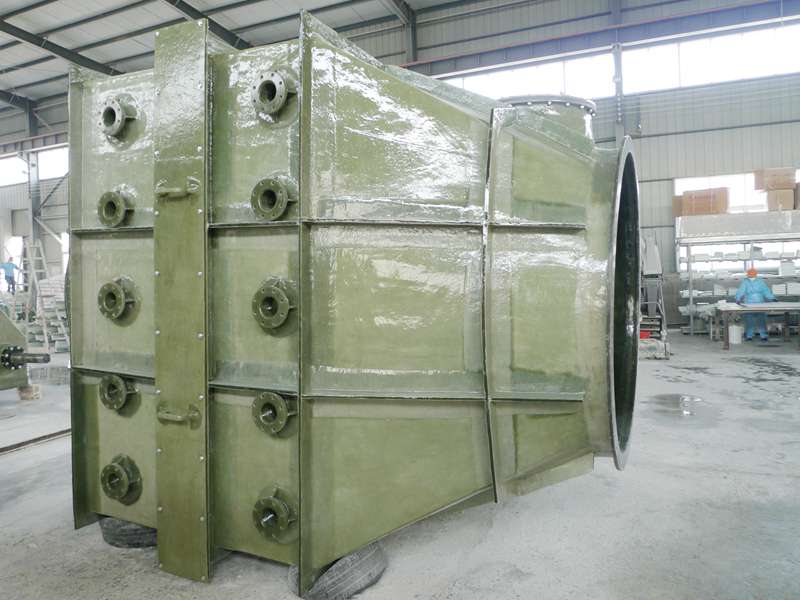
Simply put, an frp settler is a type of sedimentation tank made with fiber-reinforced plastic (FRP). It’s designed to allow suspended particles to settle naturally over time under gravity, separating solids from liquids for easier removal. The use of FRP means the structure is lightweight, corrosion-resistant, and flexible for custom designs. This material advantage is why frp settlers are often favored over traditional concrete or steel tanks, especially in challenging environments.
Industry and humanitarian organizations alike rely on these settlers to provide safe, sustainable water treatment in everything from municipal sewage plants to remote disaster relief setups.
Core Components and Key Factors of FRP Settlers
1. Durability and Corrosion Resistance
One of the standout features is FRP’s impressive resistance to corrosion. Unlike steel, it doesn’t rust when exposed to harsh chemicals or moisture over time. This leads to longer operational life and less maintenance—a real boon if the settler is in harsh climates or remote locations.
2. Scalability and Customization
Another thing I’ve noticed is how adaptable FRP settlers are. They can be custom-designed to fit small-scale municipal plants or massive industrial operations. Modules can be combined or shaped to meet space limitations and specific flow rates, which makes scaling up or retrofitting easier than you might think.
3. Cost Efficiency Over Time
While the upfront investment may be a bit higher compared to classic materials, many engineers point out that the lifecycle costs are actually lower. Reduced maintenance, fewer repairs, and longer lifespan contribute to better return on investment.
4. Environmental Sustainability
FRP settlers often use materials that can be recycled, and their efficient settling reduces energy consumption in downstream processing. Oddly enough, the sustainable edge sometimes gets overlooked, but it’s critical to many communities looking to minimize their environmental footprint.
Typical Specifications of a Standard FRP Settler
| Specification | Typical Value | Notes |
|---|---|---|
| Material | Fiber Reinforced Plastic (FRP) | Lightweight and corrosion-resistant |
| Length | 4-12 meters | Customizable depending on plant size |
| Diameter | 1.5-3 meters | Accommodates different flow capacities |
| Flow rate | 5-50 m³/h | Varies with unit size and design |
| Operating Temperature | -20°C to 60°C | Suitable for a wide range of climates |
| Expected Life Cycle | 15-25 years | With routine maintenance |
Comparing Leading FRP Settler Vendors
| Vendor | Product Range | Customization | Typical Delivery Time | Warranty |
|---|---|---|---|---|
| Jrain FRP Solutions | Small to Large Scale Settlers | High - Tailored Designs | 4-8 Weeks | 20 Years |
| AquaTech Manufacturing | Medium to Large Units | Medium | 6-10 Weeks | 15 Years |
| EnviroSet Systems | Standardized Models | Low | 3-6 Weeks | 10 Years |
How Are FRP Settlers Used Globally?
Among the many applications, frp settlers have proven vital in municipal wastewater treatment plants, industrial effluent treatment facilities, and even temporary relief camps. Take post-disaster recovery, for example: organizations use portable FRP settler units as part of emergency water purification systems where infrastructure is damaged.
In Southeast Asia, fast-growing cities rely heavily on FRP settlers to keep their expanding sewage networks working efficiently. Meanwhile, mining operations in South America prefer them due to the material’s resistance to acidic, corrosive wastewater. The versatility really stands out.
Advantages and Long-Term Benefits
- Cost savings: Less frequent maintenance means lower operational costs over time.
- Reliability: Strong resistance to corrosion and weather conditions ensures steady performance.
- Environmental impact: Supports greener water treatment practices by improving efficiency and reducing chemical use.
- Social impact: Guarantees safer water for communities, protecting health and dignity.
Future Trends: What’s Next for FRP Settlers?
I expect innovations focusing on smart monitoring—using IoT sensors embedded in FRP tanks to track sludge levels and water clarity automatically. Add to that new bio-based resins reducing environmental footprints and even 3D printing for custom shapes, and you have a technology evolving rather swiftly.
Policies increasingly favor sustainable infrastructure, meaning manufacturers that combine durability with eco-friendliness will likely lead the market.
Challenges and Solutions
Still, no technology is perfect. FRP settlers sometimes face challenges like UV degradation if used outdoors without coatings, and transportation limits because of size. But many companies now apply protective finishes and produce modular designs designed for quick onsite assembly, which helps alleviate these issues.
In real terms, picking the right vendor and ensuring strong support and maintenance protocols are keys to overcoming drawbacks.
FAQ: Your FRP Settler Questions Answered
- How long does an FRP settler typically last in harsh conditions?
- With proper maintenance and UV protection, most FRP settlers can last 15 to 25 years even in aggressive environments. Regular inspections and timely repairs improve longevity significantly.
- Are FRP settlers suitable for small communities?
- Absolutely. Due to their customizable size and modular capabilities, they fit small-scale treatment plants and rural applications very well.
- How do FRP settlers compare to concrete tanks in cost?
- While the initial cost may be higher for FRP settlers, their lower maintenance needs and longer lifespan often result in better total cost of ownership.
- Can FRP settlers be used in cold climates?
- Yes, FRP materials can operate in temperatures as low as -20°C, making them suitable for many cold regions without risk of cracking or degradation.
Wrapping Up: The Long-Term Value of FRP Settlers
It feels like FRP settlers strike a fine balance between durability, flexibility, and sustainability—key ingredients for modern water treatment challenges. Whether you manage a bustling city’s wastewater system or are setting up clean water solutions for less developed areas, they offer a trustworthy option that’s more than just a tank.
To explore more about how these settlers can adapt to your needs, check out frp settler solutions tailored by industry experts.
Mini takeaway: The frp settler’s blend of material science and practical design continues to make it a staple in global water treatment efforts.
References
Latest news
-
Industrial High Pressure Fiberglass Pipe Guide and Technical SpecsNewsApr.16,2026
-
Industrial Storage Guide for Fiberglass Chemical TanksNewsApr.09,2026
-
Explore Durable and Customizable Custom Fiberglass Tanks for Your IndustryNewsApr.07,2026
-
Comprehensive Guide to Fiberglass Roof Tanks for Liquid Storage SolutionsNewsApr.04,2026
-
Comprehensive Guide to Durable and Corrosion Resistant Glass Fiber TanksNewsMar.31,2026
-
Comprehensive Guide to Tank Fiberglass Solutions and Their Diverse ApplicationsNewsMar.28,2026