



Comprehensive Guide to FRP Shell: Applications, Benefits, and Future Trends
Understanding the FRP Shell: A Modern Industrial Marvel
When you hear “FRP shell,” it might sound a bit technical or perhaps niche. But frankly, these fiberglass-reinforced polymer shells are quietly reshaping industries worldwide—from construction and transport to disaster relief. Their durability, lightness, and versatility make them key players in a world grappling with sustainability and efficiency challenges. Oddly enough, they’re not just about materials; they form a crucial bridge between innovation and practicality in modern infrastructure.
Global Context: Why FRP Shells Matter More Than Ever
Globally, the demand for resilient, lightweight, and cost-effective structures is soaring. According to data from the United Nations Environment Programme (UNEP), sustainable materials are essential in meeting climate action goals, especially in construction and transport sectors. FRP shells tackle critical problems: they reduce carbon footprints, minimize maintenance costs, and withstand harsh environments better than traditional materials. For industrial sectors struggling with climate adaptation and logistics, the FRP shell’s relevance couldn’t be more apparent.
In fact, the global composite materials market, which includes FRP shells, is projected to grow steadily, fueled by rapid urbanization and infrastructure upgrades, says an ISO composite materials report. This means the shell isn't just a trend but a foundational technology for the near future.
What Exactly Is an FRP Shell?
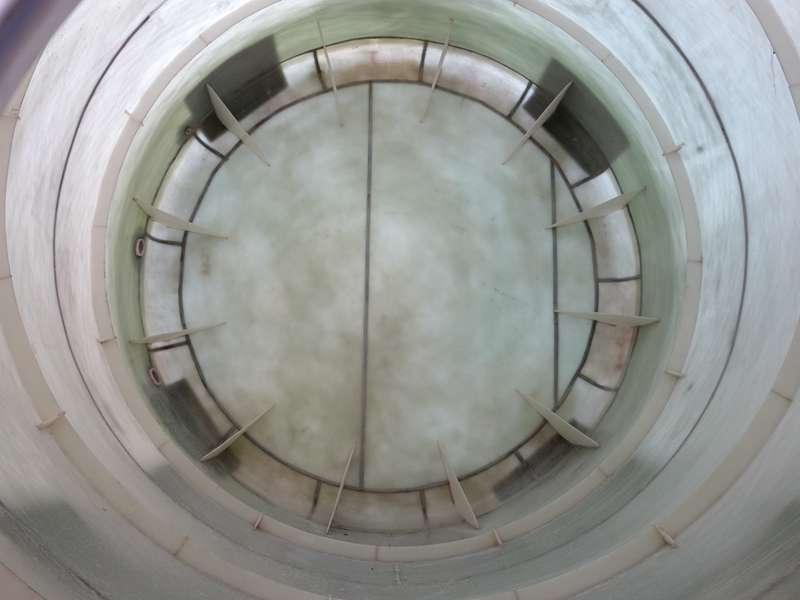
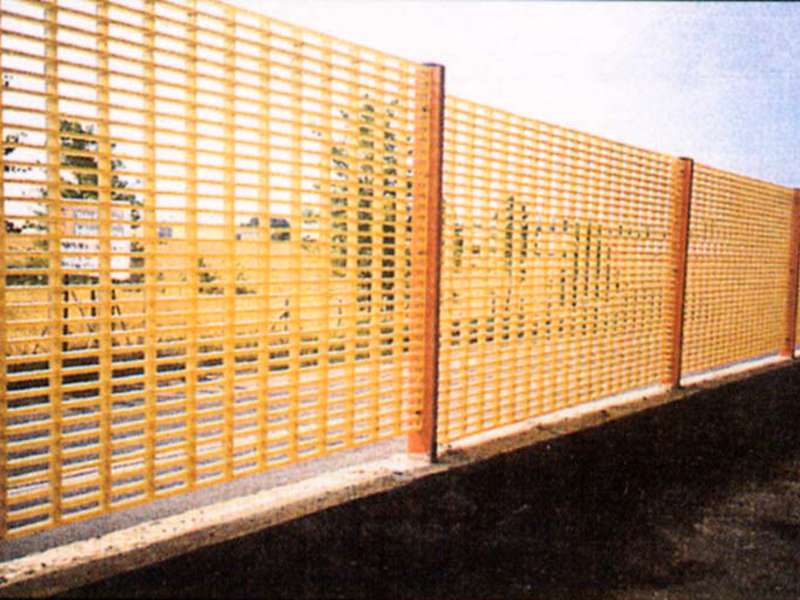
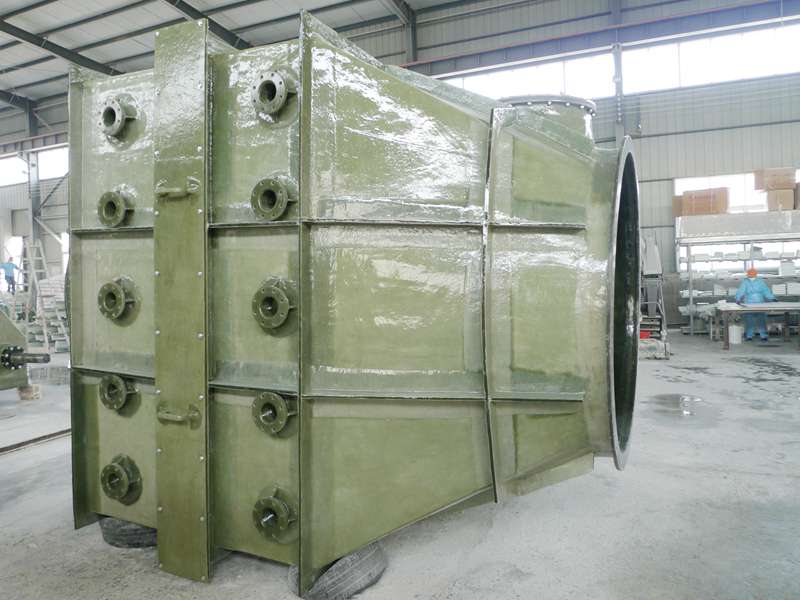
Put simply, an FRP shell is a structural exterior made from fiberglass-reinforced polymer. Imagine layers of fiberglass woven into a mold and bonded with a polymer resin—this creates a tough, lightweight, and corrosion-resistant “skin.” It’s used as an outer enclosure that protects, shapes, or insulates a structure or equipment. From industrial tanks to modular housing components, FRP shells offer a flexible and durable alternative to metals or concrete.
They’re vital where weight savings, environmental resistance, or rapid production are needed, which is often the case in remote industrial zones or disaster-prone areas.
Core Components and Key Features of FRP Shells
Durability and Corrosion Resistance
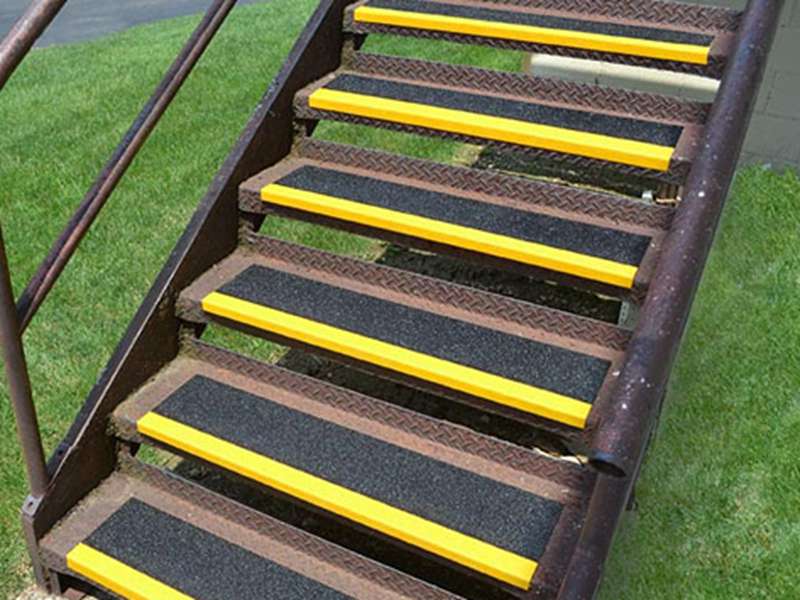
FRP shells resist rust, chemicals, and extreme weather — qualities essential for marine platforms, tanks holding corrosive liquids, or disaster relief shelters. This means fewer repairs and longer service life.
Lightweight but Strong
The combination of fiberglass and polymers creates a shell that’s surprisingly strong for its weight. This feature makes transport easier and lowers installation costs, especially in hard-to-reach locations.
Cost Efficiency
While the initial investment may be slightly higher, FRP shells reduce maintenance and replacement expenses over the long term. Efficiency gains also come from the ability to prefab and rapidly deploy structures.
Customizability and Scalability
Manufacturers can tailor the shell size, shape, and thickness for various applications, allowing seamless integration into architectural designs, industrial setups, or humanitarian projects.
Thermal and Electrical Insulation
Due to their polymer base, many FRP shells provide good insulation properties, which can reduce energy consumption and improve safety.
Mini takeaway: The FRP shell’s blend of toughness, adaptability, and efficiency is why industries increasingly choose it over traditional materials.
Real-World Uses and Applications
The versatility of frp shell technology shines across industries:
- Post-Disaster Relief: Lightweight FRP shelters can be airlifted into disaster zones and assembled quickly, providing immediate protection against the elements.
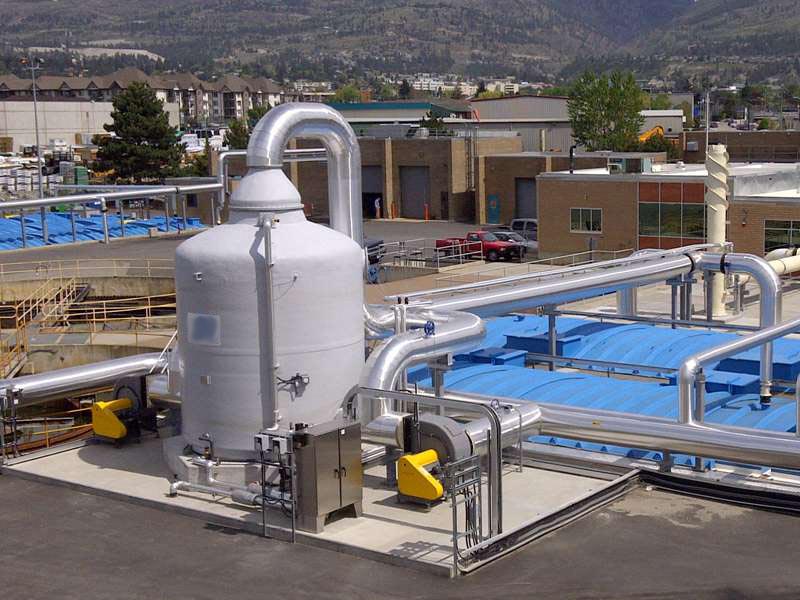
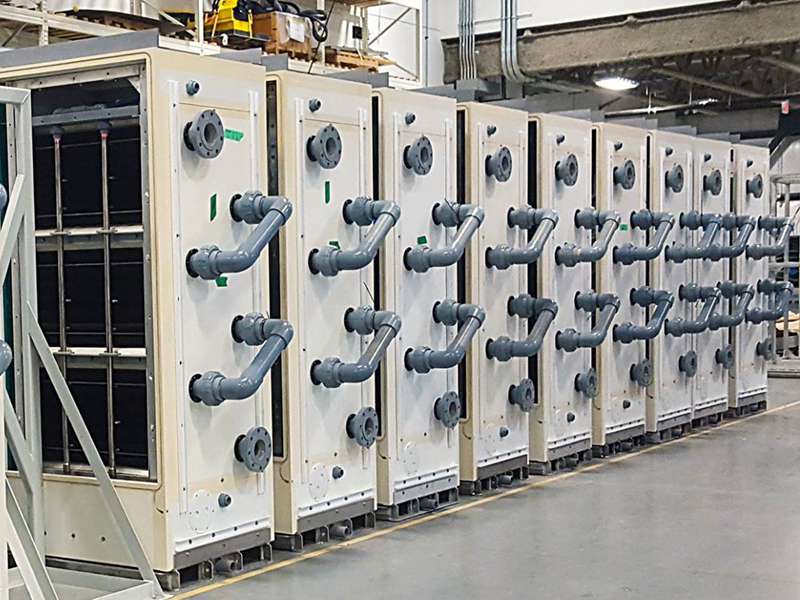
- Remote Industrial Zones: Oil rigs and mining sites use FRP shell enclosures for machinery because they resist corrosion and reduce downtime.
- Transportation: Train carriages and bus bodies utilize FRP shells to lower weight, reducing fuel consumption.
- Water Storage: Municipalities use large FRP storage tanks for potable water thanks to the material’s resistance to contamination.
Regions in Southeast Asia and the Middle East have particularly embraced FRP shell technologies for their extreme climates and rapid infrastructure growth.
FRP Shell Product Specifications
| Specification | Value | Notes |
|---|---|---|
| Material Composition | Fiberglass Reinforced Polymer | Standard resin matrix options |
| Density | 1.5 - 2.0 g/cm³ | Depends on thickness and fiber type |
| Tensile Strength | 250 - 350 MPa | Varies with fiber orientation |
| Thermal Resistance | Up to 120°C continuous | Typical polymer resin limit |
| Corrosion Resistance | Excellent | Suitable for acidic or marine environments |
Comparing FRP Shell Vendors
| Vendor | Product Range | Customization | Delivery Time | Sustainability Certifications |
|---|---|---|---|---|
| JRain FRP Solutions | Wide: Shells, tanks, modular parts | Highly customizable | 4-6 weeks typical | ISO 14001 |
| PolyShell Inc. | Standard shells | Limited | 6-8 weeks | None |
| FiberTech Global | Custom industrial solutions | Moderate | 3-5 weeks | LEED compatible |
Advantages and Long-Term Value of FRP Shells
Companies and governments alike appreciate the financial and environmental upsides. Cost savings come from lowered maintenance—no rust to fight or frequent repainting. There’s also an emotional factor; in shelters, for example, an FRP shell offers reliable protection, supporting safety and dignity for vulnerable populations. Plus, these shells innovate smartly—reducing energy needs thanks to natural insulation and enabling rapid deployment in emergencies.
Future Innovations: What’s Next for FRP Shells?
The future looks bright with ongoing advances like bio-based resins improving sustainability and digital fabrication technologies enabling ultra-precise, customizable shells. Automation is making production faster and more consistent. Certain research labs are exploring hybrid composites combining carbon fibers for added strength without weight gain.
Green energy integration, such as mounting solar panels directly onto FRP shells, is also gaining traction. It’s a smart blend of resilience and renewables, a perfect fit given ongoing climate and energy transitions.
Challenges and Smart Solutions
Not everything is perfect (as one might expect). UV degradation and fire resistance remain tricky issues for FRP shells, though recent polymer additives and coatings are mitigating risks effectively.
Also, recycling FRP materials is a challenge due to their composite nature, but ongoing research into chemical recycling and mechanical reclamation shows promise.
Experienced manufacturers like JRain FRP stress quality control and use advanced curing processes to address structural consistency and elongate lifecycle.
FAQ: Frequently Asked Questions About FRP Shell
Q1: How durable are FRP shells compared to traditional materials?
A: FRP shells typically last 20+ years with minimal upkeep, outperforming metals in corrosive or marine environments. Proper maintenance extends their lifespan even further.
Q2: Can FRP shells be customized for unique architectural needs?
A: Absolutely. FRP shells are highly moldable and can be designed in various shapes, sizes, and finishes, making them ideal for bespoke industrial or residential projects.
Q3: Are FRP shells environmentally friendly?
A: They are more sustainable than many traditional materials due to long service life and reduced resource needs. However, ongoing advances aim to improve recyclability.
Q4: What industries benefit most from FRP shells?
A: Key users include construction, water treatment, transportation, and emergency relief organizations due to FRP’s adaptability and protective qualities.
Q5: How quickly can FRP shell structures be deployed?
A: Depending on complexity, pre-fabricated FRP shells can be installed in days to weeks, offering speedy solutions for urgent needs.
Conclusion
So, all told, the frp shell isn’t just a fancy material — it’s an enabler of modern, sustainable, and resilient infrastructure. Whether for industrial use, humanitarian purposes, or innovative architecture, these shells provide a compelling mix of strength, speed, and sustainability.
If you’re intrigued by what FRP shells can do for your next project, don’t hesitate to visit our website for details and expert guidance.
It’s an exciting field—one where engineering meets environmental stewardship head-on.
Reflection
From my conversations with engineers and field experts, I noticed a common theme: the FRP shell feels like a “quiet revolution” — not flashy, but essential. It’s kind of like the unsung hero of the modern build world.
- United Nations Environment Programme - Sustainable Materials Report (https://www.unep.org)
- ISO Composite Materials Standards Overview (https://www.iso.org)
- Material Science Review - Fiberglass Reinforced Polymer Properties
Latest news
-
Industrial High Pressure Fiberglass Pipe Guide and Technical SpecsNewsApr.16,2026
-
Industrial Storage Guide for Fiberglass Chemical TanksNewsApr.09,2026
-
Explore Durable and Customizable Custom Fiberglass Tanks for Your IndustryNewsApr.07,2026
-
Comprehensive Guide to Fiberglass Roof Tanks for Liquid Storage SolutionsNewsApr.04,2026
-
Comprehensive Guide to Durable and Corrosion Resistant Glass Fiber TanksNewsMar.31,2026
-
Comprehensive Guide to Tank Fiberglass Solutions and Their Diverse ApplicationsNewsMar.28,2026