



Dec . 01, 2025 21:00
Back to list
Comprehensive Guide to FRP Tanks – Durable, Lightweight Storage Solutions
Understanding FRP Tanks: Why They Matter More Than Ever
Fiberglass Reinforced Plastic (FRP) tanks have quietly become indispensable assets in industries all over the globe. Not the flashiest technology, but their impact? Pretty significant—especially when it comes to storing liquids safely and sustainably. From chemical processing plants in Europe to remote water storage facilities in Africa, FRP tanks are solving a variety of modern storage challenges. And that’s something worth understanding today—not just as a technical product but as a meaningful piece in the puzzle of sustainable infrastructure worldwide. At their core, FRP tanks combine lightweight durability with corrosion resistance, making them ideal for harsh environments where traditional steel or concrete tanks struggle. But beyond the specs, they represent versatility, cost-effectiveness, and longevity—all underpinned by thoughtful engineering. Dive in, and you might find the benefits ripple much further than initially expected.A Global Perspective on FRP Tanks
Globally, the demand for efficient storage solutions is ballooning. According to an ISO report, industrial storage needs have increased by over 25% since 2010, with water storage and chemical containment leading growth areas. Meanwhile, the UN’s Sustainable Development Goals emphasize the safe storage of water and waste to improve health outcomes in underserved regions. But here’s the kicker—not every location can install heavy, maintenance-intensive tanks. Coastal regions, arid deserts, and industrial plants frequently battle corrosion, leaks, or logistical nightmares. FRP tanks tackle these problems head-on. World Bank data notes that investments in resilient infrastructure—including storage facilities—are forecasted to rise significantly through 2030. It’s as if the world collectively woke up to the need for reliable, low-maintenance storage, and fiberglass reinforced plastics turned out to be a surprisingly effective answer.Mini takeaway:
FRP tanks aren’t just industry jargon—they are quiet heroes helping various sectors manage fluids reliably, sustainably, and affordably on a global scale.What Is an FRP Tank?
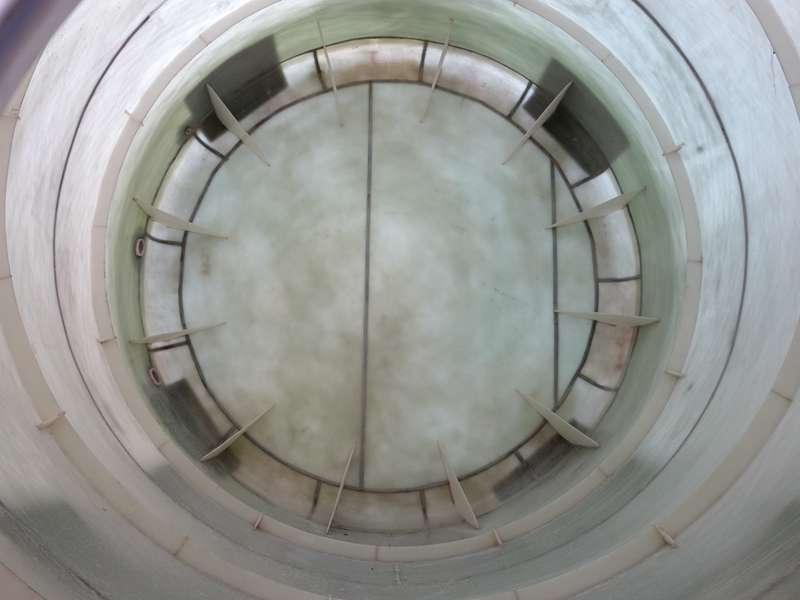
In simple terms, an FRP tank is a container made primarily from fiberglass reinforced plastic, a composite material consisting of plastic reinforced with fine glass fibers. Think of it as combining the flexibility of plastic with the strength of glass fibers, resulting in a container that's light yet tough. Naturally resistant to corrosion, chemical attack, and extreme weather, they’re widely used for storing water, chemicals, fuels, and even sewage. Beyond factories, this material technology is increasingly valuable in humanitarian contexts—like providing potable water in disaster-hit zones or remote villages where traditional tank materials wouldn’t survive or arrive feasibly. The beauty? FRP tanks can be tailor-made to different sizes and chemical resistances, making them practical for highly individualized applications.Mini takeaway:
An FRP tank is basically a smart marriage of materials science and practical engineering, designed to handle tough storage challenges with ease.Core Components and Key Features of FRP Tanks
1. Durability and Corrosion Resistance
Since fiberglass resists rust and chemical degradation, FRP tanks maintain integrity even in acidic or saline environments. This extends their lifespan and cuts down costly repairs or replacements.2. Lightweight but Strong
FRP tanks are roughly 70% lighter than steel counterparts, meaning easier shipping, installation, and handling, especially in remote or hard-to-reach places. Yet, they don’t compromise on structural strength.3. Customization and Scalability
From small potable water units to massive industrial chemical tanks—scaling a design is doable and relatively quick. Manufacturers can tweak thickness, shapes, and liners to suit virtually any requirement.4. Cost Efficiency
Though upfront costs might be slightly higher than metal tanks, the lifecycle savings from minimal maintenance and longer durability usually outweigh that initial spend.5. Environmental Safety
Non-toxic, recyclable, and often designed with sustainability in mind, FRP tanks present lower environmental risk and footprint compared to steel or concrete options.Mini takeaway:
The combination of strength, lightness, adaptability, and environmental benefits makes FRP tanks a go-to for many demanding storage needs.Real-World Uses: Where Do FRP Tanks Shine?
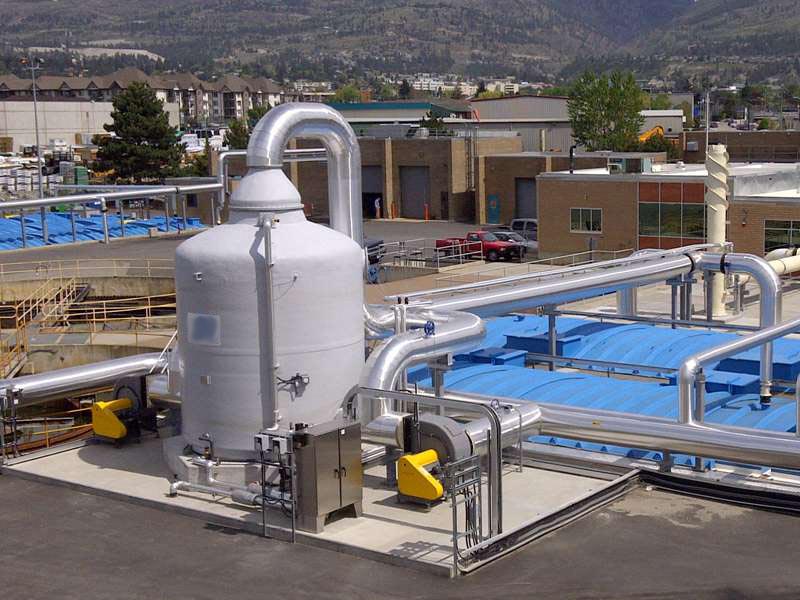
Industries and regions benefiting from FRP tanks include: - Chemical Manufacturing (Europe, USA): Storing corrosive acids and solvents safely without contamination. - Water & Wastewater Treatment (India, Africa): Large municipal facilities use FRP tanks for potable water storage and sewage management. - Agriculture (Australia, South America): Fertilizer and pesticide containment where soil conditions accelerate corrosion. - Disaster Relief Operations (Southeast Asia, Caribbean): Portable FRP tank units provide emergency water tanks that resist damage during transport and use. - Remote Industrial Sites (Middle East, Arctic): Their weight and corrosion resistance simplify logistics and maintenance where access is limited. Oddly enough, NGOs and government agencies increasingly choose FRP tanks because they literally arrive “ready to go,” often pre-assembled with minimal fitting, which can be crucial in emergency contexts.Mini takeaway:
From chemical plants to disaster zones, FRP tanks offer flexibility and reliability where it counts.Advantages That Build Trust and Value
At first glance, cost savings and corrosion resistance pop out. But the advantages run deeper:- Safety: Leak resistance lowers environmental contamination risk, protecting communities and ecosystems.
- Longevity: Many FRP tanks last 20+ years with minimal upkeep, cutting down downtime.
- Sustainability: Less need for replacement reduces resource use—and manufacturing increasingly incorporates recycled materials.
- Innovative Impact: Helps industries transition to cleaner storage solutions, supporting circular economy goals.
- Peace of Mind: For operators, fewer headaches mean more focus on core business.
Future & Innovation: What’s Next for FRP Tanks?
The future feels pretty bright and, in some ways, more high-tech: - Smart Sensors: Embedded IoT systems will enable real-time monitoring of tank integrity, liquid levels, and potential leaks. - Green Materials: Innovations in bio-resins and recycled fiberglass aim to make production more eco-friendly. - Automated Manufacturing: Automation of filament winding and molding will improve precision and reduce costs. - Modular Designs: Enhancing portability and rapid deployment for emergency and industrial needs. All these moves align with broader industry pushes toward sustainability, digital transformation, and zero-waste targets outlined by organizations like the UN and ISO.Common Challenges and Modern Solutions
Admittedly, it’s not perfect. Some typical hurdles include: - UV Degradation: FRP exposed to sunlight can become brittle over time unless treated properly. - Initial Cost Concerns: Perceived cost can be a barrier despite life-cycle advantages. - Transportation Limits: Oversized tanks can face shipping constraints. Experts recommend using UV-resistant coatings, modular construction for easier shipping, and emphasizing total cost of ownership in sales approaches. Innovations in resins and coatings continue to improve lifespan and toughness—so solutions are evolving steadily.Frequently Asked Questions About FRP Tanks
Q1: How long does an FRP tank typically last in industrial use?A1: With proper installation and maintenance, most FRP tanks last 20 to 30 years, thanks to their resistance to corrosion and chemicals. Regular inspections help extend their service life.
Q2: Are FRP tanks safe for storing drinking water?
A2: Yes, many FRP tanks are FDA-approved for potable water storage with non-toxic resins and liners, ensuring water quality and safety when maintained properly.
Q3: Can FRP tanks be customized for unusual chemical storage needs?
A3: Absolutely. The resin type and liner can be chosen based on chemical compatibility, making FRP tanks highly adaptable for various industrial liquids.
Q4: What are the main maintenance requirements?
A4: FRP tanks generally require minimal maintenance: periodic cleaning, UV protection checks, and inspection for physical damage or leaks.
Q5: Is shipping an FRP tank internationally difficult?
A5: While transportation logistics can be complex due to size, modular designs and lightweight materials ease shipment challenges. Many suppliers assist with export compliance and packing.
Product Specifications of a Typical FRP Tank
| Specification | Details |
|---|---|
| Material | Fiberglass Reinforced Plastic with vinyl ester resin |
| Capacity | 500L to 20,000L customizable |
| Temperature Range | -40°C to +120°C (-40°F to 248°F) |
| Corrosion Resistance | High resistance to acids, alkalis, and salts |
| UV Resistance | Standard UV protective gel coat included |
| Weight | Approximately 20-40% of steel equivalent |
| Compliance | ISO 9001, ASTM standards |
Vendor Comparison: Leading FRP Tank Suppliers
| Vendor | Capabilities | Special Features | Lead Time | Typical Markets |
|---|---|---|---|---|
| Jrain FRP | Custom design, chemical resistance, large volumes | Rapid deployment units, export compliance | 4-6 weeks | Industrial, municipal, humanitarian |
| Fibertank Ltd. | Modular tanks, specialty coatings | IoT-enabled monitoring options | 6-8 weeks | Oil & Gas, chemical, agriculture |
| AquaSafe Solutions | Standard models, potable water focus | FDA-certified liners | 3-5 weeks | Municipal & NGO projects |
Closing Thoughts
So, there you have it — FRP tanks might seem unassuming but they play a crucial role across sectors and geographies. Their unique blend of durability, cost-effectiveness, and environmental friendliness makes them a sound investment in the push toward smarter infrastructure worldwide. Whether you're a plant manager, NGO worker, or design engineer, understanding the humble FRP tank opens doors to more resilient, sustainable, and efficient storage solutions. For more insights and detailed product info, visit frp tank supplier Jrain FRP — they’ve got the expertise and ready-to-go solutions you might just need next.Key Takeaways:
- FRP tanks address a universal need for reliable liquid storage amid challenging environments.
- They integrate advanced materials science with practical adaptability for industries and humanitarian efforts.
- Emerging smart technologies and green materials promise even greater performance ahead.
References


Latest news
-
Industrial High Pressure Fiberglass Pipe Guide and Technical SpecsNewsApr.16,2026
-
Industrial Storage Guide for Fiberglass Chemical TanksNewsApr.09,2026
-
Explore Durable and Customizable Custom Fiberglass Tanks for Your IndustryNewsApr.07,2026
-
Comprehensive Guide to Fiberglass Roof Tanks for Liquid Storage SolutionsNewsApr.04,2026
-
Comprehensive Guide to Durable and Corrosion Resistant Glass Fiber TanksNewsMar.31,2026
-
Comprehensive Guide to Tank Fiberglass Solutions and Their Diverse ApplicationsNewsMar.28,2026