


Comprehensive Guide to Mandrel: Industrial Applications, Benefits & Innovations
Understanding the Mandrel: A Key to Industrial Precision and Innovation
The mandrel — you might think of it as just a rod or a simple tool, but delve a little deeper and you'll find it’s a crucial component across many industries worldwide. Frankly, without mandrels, a surprising number of manufacturing, construction, and even humanitarian relief processes would run into serious trouble. From shaping tubes to supporting flexible composites, mandrels help create everything from automotive parts to advanced FRP pipelines. And with global manufacturing worth trillions, understanding the varied uses, types, and benefits of mandrels matters more than ever. So let’s unpack what this simple-sounding tool actually means in our modern industrial landscape.
Introduction: Why Mandrels Matter on a Global Stage
Globally, industrial production and infrastructure development rely heavily on precision tooling that ensures quality, durability, and efficiency. According to ISO, standards for manufacturing processes continually evolve to meet demand for stronger, lighter, and more eco-friendly materials. Mandrels come into play as essential fixtures that support or shape materials during forming processes, such as filament winding or tube fabrication.
For example, the global fiber-reinforced polymer (FRP) market — where mandrels often guide composite materials — is projected to grow steadily, driven by infrastructure, automotive, and aerospace sectors. Without mandrels, shaping these composites accurately and repeatably would be a huge challenge, particularly at scale. Oddly enough, even in humanitarian relief where modular housing components need quick fabrication, mandrels streamline production.
Mini Takeaway: Mandrels, though simple in concept, support complex industries worldwide, and their importance scales with the demand for precision-made components.
What Is a Mandrel?
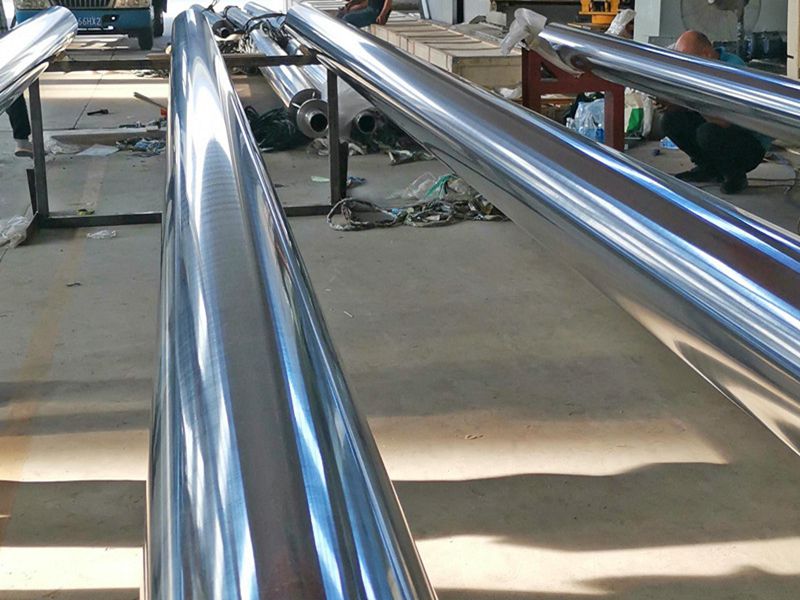
At its core, a mandrel is a solid rod or shaft used as a support around which materials are shaped, bent, or wound. Imagine creating a perfect tube or a pipe — the mandrel acts like a skeleton or mold, holding the shape internally or externally. They range from simple steel rods to sophisticated, computer-controlled devices.
Mandrels have a long history, but modern industries depend on them for high-precision applications — composites manufacturing, metalworking, even in fiber optic cable production. In humanitarian engineering, such as rapid shelter construction, mandrels help produce lightweight, durable frames quickly.
Key Factors in Mandrel Design and Use
1. Durability and Material Selection
Mandrels must endure tension, heat, and rotational forces without deforming. Steel, aluminum, and even specialized composites are common base materials, selected based on the application’s environment and load.
2. Scalability and Size
Mandrels come in many sizes—from tiny rods for fine tubes to large-diameter mandrels used in manufacturing massive pipelines. The right scale ensures efficiency and product quality.
3. Precision and Surface Finish
Surface smoothness of mandrels is critical; any imperfections can imprint onto products, affecting integrity and aesthetics. Many mandrels receive polished or coated finishes to ensure flawless shaping.
4. Cost Efficiency
The ideal mandrel balances durability with cost. Reusable mandrels reduce environmental impact and operational costs, essential for sustained manufacturing lines.
5. Compatibility with Modern Processes
Mandrels must be compatible with automated systems and digital controls, especially in high-volume or precision workshops.
Global Applications & Real-World Use Cases
Mandrels have broad applications cutting across sectors and geographies:
- Infrastructure: Composite pipelines in Asia’s water projects depend heavily on robust mandrels for winding fiberglass layers.
- Aerospace & Automotive: Engineered mandrels enable crafting lightweight yet strong parts, crucial to fuel efficiency.
- Humanitarian Relief: Quick production of shelter components in disaster zones like those in Southeast Asia often depends on mandrels aiding modular designs.
- Energy Sector: Manufacturing of wind turbine blades uses mandrels to precisely form composite layers at scale.
Mini Takeaway: From rapid disaster relief efforts to cutting-edge aerospace, mandrels enable industries to produce quality materials sustainably and efficiently worldwide.
Mandrel Product Specifications
| Specification | Typical Value | Relevance |
|---|---|---|
| Material | High-grade Steel / Aluminum / FRP | Durability under load and temperature |
| Diameter Range | 5mm to 2m+ | Adaptable to product size |
| Surface Finish | Polished / Coated / Non-stick | Prevents defects in products |
| Max Temperature | Up to 300°C | Supports heat curing processes |
| Reusability | High (often dozens of cycles) | Cost & sustainability factor |
Vendor Comparison: Leading Mandrel Suppliers
| Vendor | Material Options | Customization | Typical Lead Time | Pricing |
|---|---|---|---|---|
| MandrelTech Inc. | Steel, Aluminum, Carbon Fiber | Full Custom Design Support | 4-6 Weeks | Mid-Range |
| FiberForm Solutions | FRP, Composite Materials | Standard Sizes, Limited Custom | 3 Weeks | Economical |
| Precision Mandrel Corp. | High Grade Stainless Steel | Advanced CNC Customization | 6-8 Weeks | Premium |
Advantages & Long-Term Value of Mandrels
In real terms, mandrels add value beyond just shaping materials—they enable precision, reduce waste, and allow reusable tooling that lowers costs over time. For manufacturers, that means consistent product quality while minimizing downtime. For clients downstream, it translates to safer, more reliable parts. On a social level, especially in humanitarian projects relying on quick infrastructure setup, mandrels help balance speed with structural integrity, preserving human dignity and safety.
Innovation in mandrel technology also means better sustainability: durable mandrels mean fewer replacements and less waste. More so, as industries pivot toward greener materials and automated manufacturing, mandrel designs are adapting accordingly.
Emerging Trends & Innovations
We're seeing an exciting integration of digital technologies like sensors embedded into mandrels that monitor pressure, temperature, and wear in real-time. This helps predict maintenance needs and optimize production cycles. New materials—like carbon fiber composites—are making mandrels both lighter and more durable.
Automation is another big theme. Industries are now pairing mandrels with robotics in filament winding and 3D printing processes for higher precision and lower manual labor risks. Plus, sustainability is front and center, with mandrels designed for circular workflows.
Common Challenges & Expert Solutions
Despite their benefits, mandrels face limitations: tool wear, limited material compatibility, and long lead times for custom designs. Experts advise rigorous testing and modular mandrel systems to enhance flexibility and parts interchangeability. Moreover, new surface coatings reduce friction and prolong lifespan.
Frequently Asked Questions About Mandrels
- Q: How do mandrels improve the production quality of composite pipes?
A: Mandrels support the pipe internally during the winding and curing stages, ensuring uniform wall thickness and smooth surfaces, which in turn enhances pipe strength and durability. - Q: Can mandrels be reused for different product sizes?
A: Generally, mandrels are designed for specific diameters, but modular mandrels or adjustable versions exist to accommodate multiple sizes, increasing cost-efficiency. - Q: Are mandrels environmentally friendly?
A: Yes, especially when made from durable materials that allow many reuse cycles, mandrels contribute to waste reduction compared to disposable molds. - Q: What should NGOs know when sourcing mandrels for relief shelters?
A: They should consider mandrel durability, ease of transport, and the compatibility with local materials and production capabilities. Requesting technical support from vendors improves outcomes.
Conclusion
Mandrels might not always grab headlines, but their role in shaping our industrial and humanitarian landscapes is undeniable. They bring precision, efficiency, and sustainability to manufacturing processes globally. Whether you’re producing advanced pipelines or modular shelters, selecting the right mandrel can make all the difference. For those interested in exploring mandrel solutions tailored to your needs, I strongly recommend visiting mandrel specialists like Jrain FRP to discover cutting-edge options.
In several ways, mandrels quietly underpin the infrastructure of modern industry — a detail we can all appreciate.
References:
Latest news
-
Industrial High Pressure Fiberglass Pipe Guide and Technical SpecsNewsApr.16,2026
-
Industrial Storage Guide for Fiberglass Chemical TanksNewsApr.09,2026
-
Explore Durable and Customizable Custom Fiberglass Tanks for Your IndustryNewsApr.07,2026
-
Comprehensive Guide to Fiberglass Roof Tanks for Liquid Storage SolutionsNewsApr.04,2026
-
Comprehensive Guide to Durable and Corrosion Resistant Glass Fiber TanksNewsMar.31,2026
-
Comprehensive Guide to Tank Fiberglass Solutions and Their Diverse ApplicationsNewsMar.28,2026