

Corrosion-Resistant Fiberglass for Enduring Durability | Sustainable Industrial Solutions
Why Corrosion-Resistant Fiberglass Matters in Today’s World
In a world where infrastructure and industrial components face relentless environmental challenges, materials that can endure without constant maintenance have become invaluable. Enter corrosion-resistant fiberglass for enduring durability. It’s not just another composite; it’s a quiet hero standing up to moisture, chemicals, and time itself. Why does this matter globally? Because industries ranging from maritime to construction, water treatment to transportation are constantly battling corrosion — a silent enemy that can shut down operations, put lives at risk, and rack up huge repair costs.
Understanding this material’s traits unlocks sustainable progress, especially as governments and companies push for longer-lasting, eco-friendly solutions — cutting down waste, maintaining safety, and saving money in the long haul.
Global Context: Corrosion Resistance as a Strategic Priority
Corrosion costs the global economy billions every year. The World Corrosion Organization estimates annual global losses from corrosion to surpass 3% of the world’s GDP. That’s staggering. And with climate change accelerating, coastal infrastructures, marine vessels, and industrial plants face even harsher conditions, demanding materials that shrug off corrosion rather than succumb to it.
According to studies cited by the International Organization for Standardization (ISO), composites like fiberglass reinforced polymers are rising stars in reducing maintenance cycles. Yet, traditional materials like metals remain common, largely due to cost perceptions or familiarity — showing a persistent challenge for industry adoption. This is where corrosion-resistant fiberglass for enduring durability becomes a game-changer: It answers the call for cost-effective, long-lasting, and low-maintenance materials that can thrive globally from the harsh North Sea off-shore rigs to humid tropical water treatment plants.
What Exactly Is Corrosion-Resistant Fiberglass for Enduring Durability?
In simple language, it’s a composite material that combines glass fibers with a resin matrix to form a highly durable product. The “corrosion-resistant” part means it’s engineered specifically to resist chemical attack, moisture intrusion, and microbial influences that cause traditional materials like steel to rust or degrade.
Why is it important beyond factory floors? Because modern industries need materials that perform reliably over time, especially where safety, hygiene, or settlements fund critical infrastructure. For example, potable water infrastructure can’t risk leaching or rust contamination. Fiberglass fits this bill perfectly while being lightweight and flexible in design.
Core Elements That Make Corrosion-Resistant Fiberglass Stand Out
Durability & Longevity
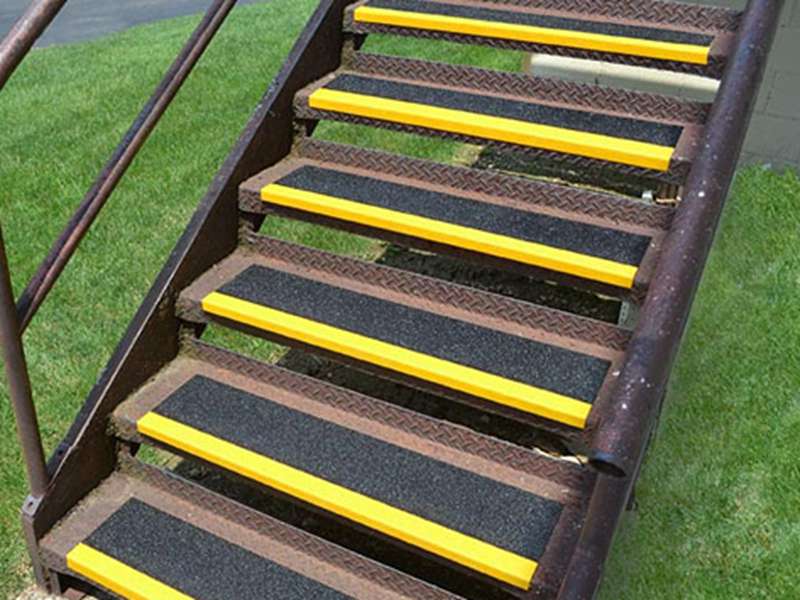
Fiberglass resists not just corrosion but UV exposure, temperature swings, and mechanical wear. Many engineers note that these materials often last 25-40 years with minimal maintenance.
Chemical Resistance
Unlike metal pipes or tanks, fiberglass can withstand acids, alkalis, and solvents without warping or degradation — critical in industries like chemical processing and wastewater management.
Lightweight Nature
Weighing roughly 60-70% lighter than steel, fiberglass eases transportation and installation, particularly in remote or disaster-affected zones.
Cost Efficiency Over Time
While initial costs may be slightly higher than conventional materials, the long-term benefits include lower upkeep expenses, less downtime, and fewer replacements.
Design Flexibility
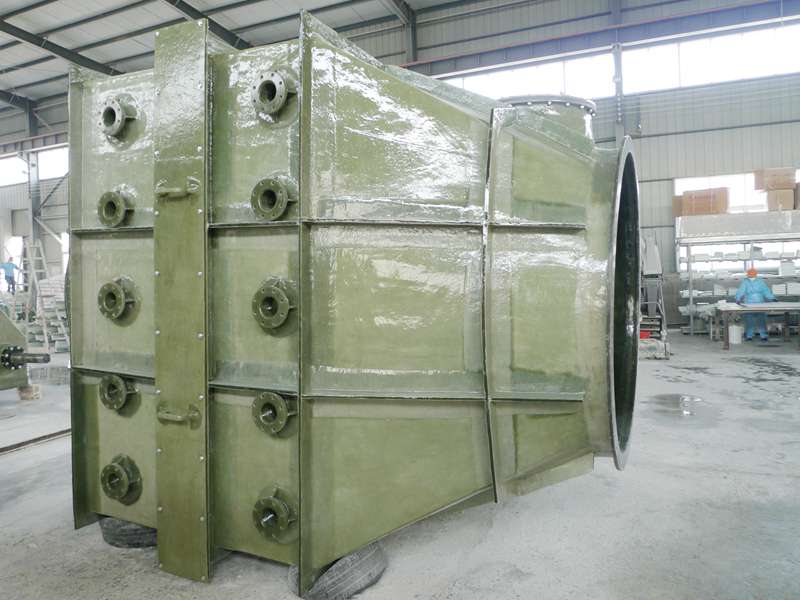
Manufacturers can tailor fiberglass products to complex shapes and specifications — from pipes and tanks to architectural panels — expanding possibilities.
Mini Takeaway
Corrosion-resistant fiberglass combines practical resilience with smart economic choices — it’s a material built for the long haul, especially when traditional metals struggle.
Real-World Applications Across the Globe
From the arid deserts of the Middle East to the wet coastlines of Southeast Asia, corrosion-resistant fiberglass is putting in work. Here’s a quick snapshot:
- Water and wastewater treatment plants: Fiberglass pipes and tanks resist harsh chemicals and continual moisture.
- Marine industries: Boat hulls, offshore platforms, and coastal structures avoid rusting and weigh less.
- Energy sector: Insulating covers, ducting, and components in solar farms and wind turbines.
- Transportation: Components in trains and buses benefit from lightweight, rust-proof properties.
- Post-disaster relief and remote zones: Prefabricated shelters and water containers made from fiberglass help bring rapid, durable infrastructure.
Consider a recent wildfire-affected area where replacing metal water tanks wasn't feasible due to budget and time. Corrosion-resistant fiberglass tanks delivered a lightweight, rapidly deployable alternative — working flawlessly under the harsh sun and smoke residues.
Product Specification Snapshot
| Property | Typical Value | Unit |
|---|---|---|
| Tensile Strength | 500-700 | MPa |
| Density | 1.8-2.0 | g/cm³ |
| Corrosion Resistance | Excellent | - |
| UV Resistance | High (up to 10 years without degradation) | - |
| Operating Temperature Range | -40 to +120 | °C |
Vendor Comparison: Choosing the Right Suppliers for Quality Fiberglass Products
| Vendor | Product Range | Corrosion Resistance Level | Price Range | Lead Time | Customization Options |
|---|---|---|---|---|---|
| FibroDur Industries | Tanks, Pipes, Panels | High | $$$ | 4–6 weeks | Yes |
| CorroGlass Solutions | Custom Pipe Systems | Very High | $$$$ | 6–8 weeks | Limited |
| ResistFibra Ltd. | Panels, Tanks | Moderate | $$ | 3–5 weeks | Yes |
Advantages & Long-Term Benefits of Using Fiberglass Composites
Fiberglass's appeal isn’t just technical; it’s deeply practical. For example, industries save tens of thousands yearly by avoiding corrosion repairs — and that’s before you factor in environmental benefits. Lighter materials mean lower transportation emissions. Durability means fewer replacements, contributing to less landfill waste. And there’s a psychological comfort, you know? Using safe, reliable materials feels like an investment in security — whether in an urban water network or a remote mining operation.
Emerging Trends: What Does the Future Hold?
We’re seeing innovation in resin chemistry aimed at boosting recyclability, reducing VOC emissions during production, and increasing thermal performance. Add 3D printing and automation in fiberglass manufacturing, and you get custom solutions delivered faster and greener. The push for green energy further spurs demand — offshore wind farms, solar power infrastructure, and even hydrogen storage components increasingly specify corrosion-resistant fiberglass due to its unmatched endurance and weight advantage.
Common Challenges and How Experts Are Tackling Them
Of course, no material is perfect. Fiberglass can be sensitive to impact damage and may require protective coatings depending on exposure. It also has limitations in extremely high-temperature environments. However, new hybrid composites and layered manufacturing approaches mitigate these issues. Industry certification and rigorous testing protocols ensure consistent quality. Plus, professional installation remains key — many failures come from poor handling rather than material flaws.
Frequently Asked Questions about Corrosion-Resistant Fiberglass for Enduring Durability
- Q: How long can corrosion-resistant fiberglass last in coastal or marine environments?
- A: Fiberglass composites typically last 25 to 40 years even in harsh saltwater conditions due to their excellent resistance to corrosion, UV radiation, and moisture ingress. Proper maintenance can extend their life even further.
- Q: Is fiberglass more cost-effective than traditional steel over a product lifecycle?
- A: While fiberglass may have a higher upfront price, it saves money long-term by minimizing maintenance, reducing downtime, and preventing frequent replacements caused by corrosion and rust.
- Q: Can fiberglass products be customized to fit specific industrial requirements?
- A: Absolutely. Manufacturers can tailor fiberglass composites into pipes, tanks, panels, or unique shapes to meet a wide variety of application needs and sizes.
- Q: Are fiberglass materials environmentally friendly?
- A: Fiberglass is largely inert and lightweight, which helps reduce transportation emissions and prolongs asset life, thus reducing waste. New recycling methods are also emerging to handle end-of-life fiberglass efficiently.
Wrapping Up: The Long-Term Promise of Corrosion-Resistant Fiberglass
Looking at the bigger picture, corrosion-resistant fiberglass is a compelling solution balancing durability, cost-efficiency, and sustainability. It truly changes the way industries tackle harsh environments, saving resources, time, and even lives. Whether in sprawling industrial complexes, remote communities, or urgently rebuilt disaster zones, this material keeps working quietly behind the scenes corrosion-resistant fiberglass for enduring durability.
If you want to learn more about how fiberglass composites can transform your projects, we encourage you to visit our website and explore practical options to enhance your designs and infrastructure resilience.
References & Credible Sources
Latest news
-
Industrial High Pressure Fiberglass Pipe Guide and Technical SpecsNewsApr.16,2026
-
Industrial Storage Guide for Fiberglass Chemical TanksNewsApr.09,2026
-
Explore Durable and Customizable Custom Fiberglass Tanks for Your IndustryNewsApr.07,2026
-
Comprehensive Guide to Fiberglass Roof Tanks for Liquid Storage SolutionsNewsApr.04,2026
-
Comprehensive Guide to Durable and Corrosion Resistant Glass Fiber TanksNewsMar.31,2026
-
Comprehensive Guide to Tank Fiberglass Solutions and Their Diverse ApplicationsNewsMar.28,2026