

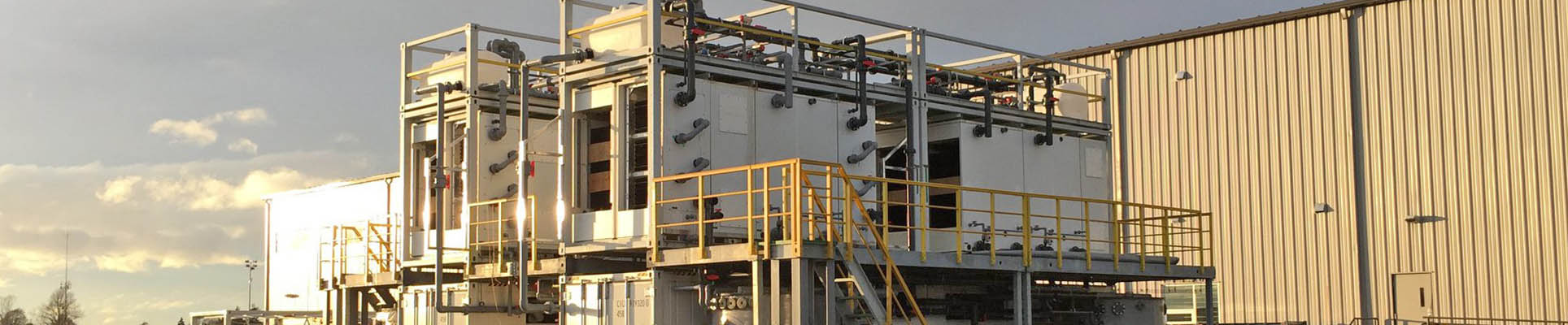
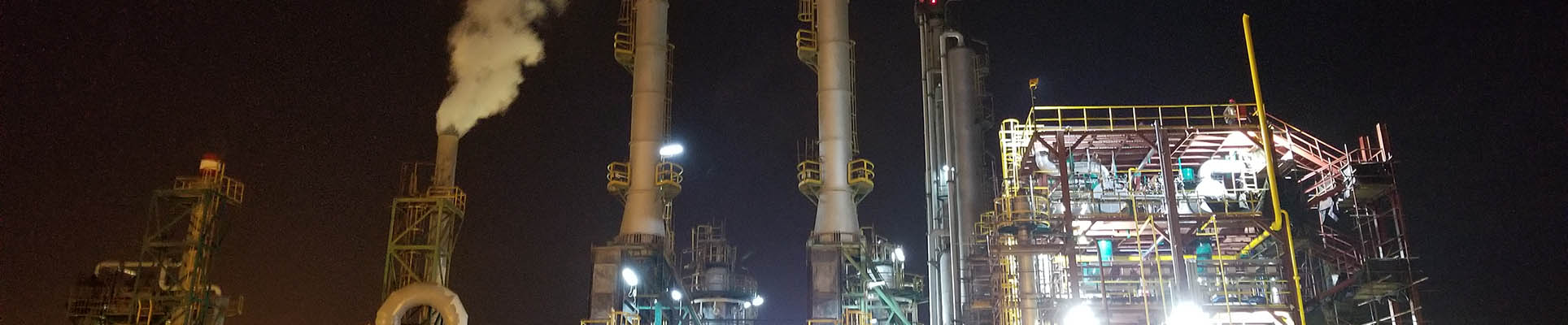
corrosion resistant fiberglass
Corrosion Resistant Fiberglass The Future of Durable Materials
In an era where sustainability and longevity are of utmost importance, the materials we choose for construction, manufacturing, and various applications play a critical role in both performance and environmental impact. Among these materials, corrosion-resistant fiberglass has emerged as a standout option, offering numerous benefits over traditional materials such as metals and plastics. In this article, we will explore what corrosion-resistant fiberglass is, its advantages, applications, and why it should be considered for future projects.
What is Corrosion Resistant Fiberglass?
Corrosion-resistant fiberglass is a composite material made primarily from glass fibers embedded in a resin matrix. This combination creates a product that is not only lightweight and strong but also inherently resistant to corrosive elements such as moisture, chemicals, and extreme temperatures. The resin used in these composites can be formulated with various additives, making it especially resilient against oxidative degradation and other forms of corrosion.
Advantages of Corrosion Resistant Fiberglass
1. Durability One of the most significant advantages of fiberglass is its extraordinary durability. Unlike metals that can rust and degrade over time, fiberglass maintains its structural integrity even when exposed to harsh environments. This longevity translates directly into reduced maintenance costs and extended lifespans for structures and components.
2. Lightweight Fiberglass is substantially lighter than metals such as steel or aluminum. This lightweight nature makes it easier to transport and handle during installation, ultimately reducing labor costs and logistical challenges.
3. Resistance to Chemicals Corrosion-resistant fiberglass is inherently resistant to a wide range of chemicals, including acids, bases, and solvents. This makes it an excellent choice for industries where chemical exposure is a concern, such as in the manufacturing, chemical processing, and wastewater treatment sectors.
4. Thermal Stability The ability of fiberglass to withstand high temperatures without degrading means it can be used in a variety of conditions without fear of compromising material integrity. This thermal stability also contributes to safety in high-temperature applications.
corrosion resistant fiberglass
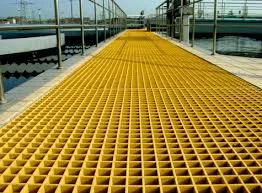
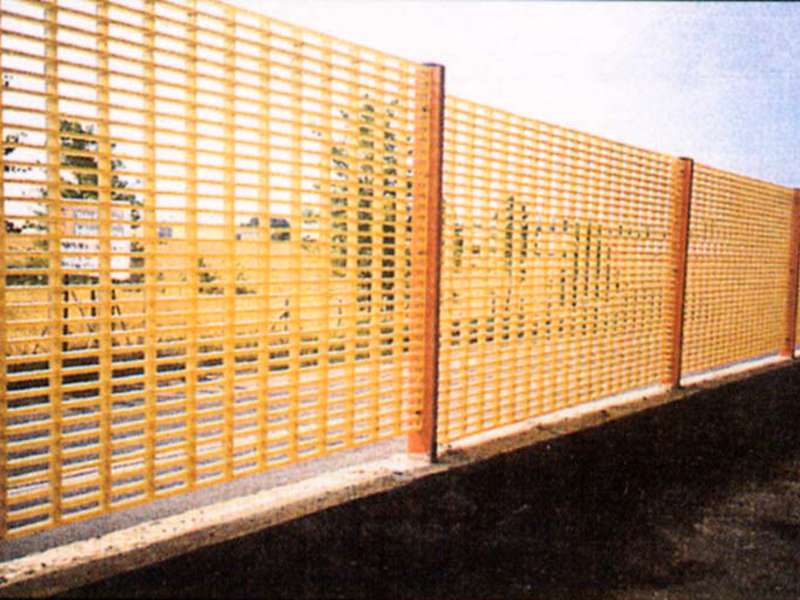
5. Aesthetic Flexibility Corrosion-resistant fiberglass can be manufactured in different colors and finishes, allowing for increased design flexibility. This aesthetic capability means it can easily blend into various environments, whether industrial or residential.
6. Cost-Effectiveness While the initial investment in fiberglass may be higher than some alternatives, its long-term cost-effectiveness is undeniable. With reduced maintenance requirements and an extended lifespan, the total cost of ownership is often lower over time.
Applications of Corrosion Resistant Fiberglass
Due to its unique properties, corrosion-resistant fiberglass finds applications across a broad spectrum of industries.
- Construction In buildings and infrastructure, fiberglass can be used for roofing, siding, and various structural components that require resilience against environmental factors. - Chemical Manufacturing Equipment such as tanks, pipes, and containment vessels made from corrosion-resistant fiberglass help ensure safety and compliance with environmental regulations. - Marine The maritime industry uses fiberglass for boats and other structures due to its lightweight nature and superior resistance to saltwater corrosion. - Automotive In automotive manufacturing, fiberglass is used for body panels and other components, improving efficiency and reducing vehicle weight.
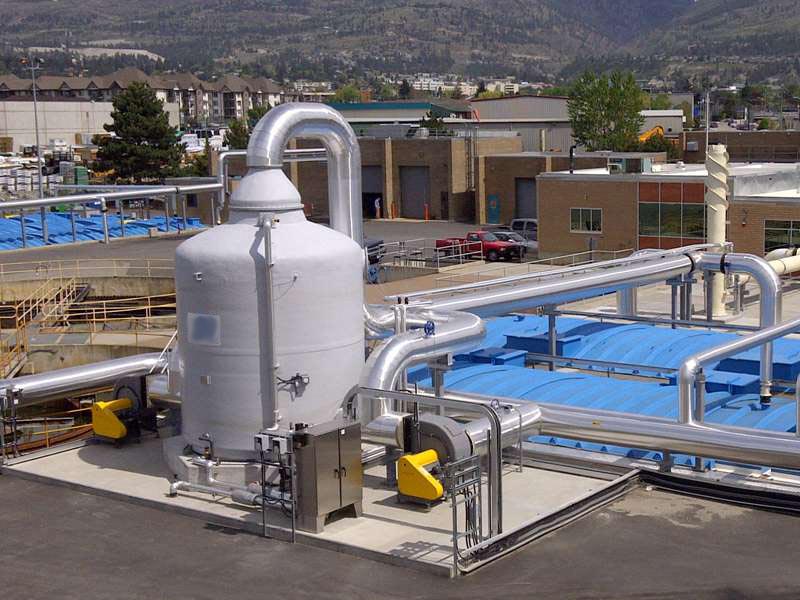
- Wastewater Treatment Fiberglass tanks and piping systems are applied in wastewater treatment facilities because they resist chemical corrosion and minimize the likelihood of leaks.
Conclusion
The advantages of corrosion-resistant fiberglass make it an increasingly popular choice across various industries and applications. With its durability, lightweight characteristics, chemical resistance, and aesthetic flexibility, it provides solutions that secure both structural integrity and environmental sustainability. As industries continue to seek more resilient and efficient materials, fiberglass stands on the forefront, promising innovation and reliability in a rapidly evolving landscape. The shift towards corrosion-resistant fiberglass might not just be a trend; it could very well be a fundamental change in how we approach material selection in the future.
Latest news
-
Oblate Tanks: Space-Saving, Durable Liquid Storage SolutionsNewsAug.27,2025
-
High-Performance Piping System Solutions for Industry & Commercial UseNewsAug.26,2025
-
Precision Fittings: Durable & Reliable Industrial & Plumbing SolutionsNewsAug.25,2025
-
Practical Steps: Unlock Success with Our Proven GuidesNewsAug.24,2025
-
Transport Tanks: Safe, Durable & Efficient Liquid HaulingNewsAug.23,2025
-
High-Quality Piping Systems for Efficient Flow & DurabilityNewsAug.22,2025