



Customized Products by GRP for a Personalized Touch | Durable & Tailored Solutions
Understanding Customized Products by GRP for a Personalized Touch to Your Projects
In a world that increasingly craves individuality, customized products by GRP (Glass Reinforced Plastic) have become a game changer. These tailored solutions don’t just bring durability to the table; they add a personal, functional edge to everything from industrial components to architectural projects. But why does it matter on a global scale? And why should industries care about this trend?
Let’s unpack what these customized GRP products are all about, why they matter, and how they might just be the secret ingredient to your next groundbreaking project.
The Global Relevance of Customized GRP Solutions
The use of Glass Reinforced Plastic isn’t new. You’ve probably come across it — from boat hulls to pipe insulation. The global demand for GRP materials has been growing steadily by roughly 6% annually, largely thanks to its unique qualities like corrosion resistance and lightweight strength. According to industry reports, the Asia-Pacific region consumes nearly 45% of all GRP products worldwide, with growth also accelerating in Europe and North America.
Yet, there’s a challenge: many standard GRP products don’t fit the precise needs of advanced structures or specialized industrial environments, which calls for customization. Whether it’s a chemical plant in the Middle East needing corrosion-proof ducts, or urban architects in Europe wanting bespoke facade panels — this is where “customized products by GRP for a personalized touch” truly shine.
Mini takeaway: The shift from off-the-shelf to custom GRP components reflects a global push for innovation and efficiency across industries.
What Exactly Are Customized GRP Products?
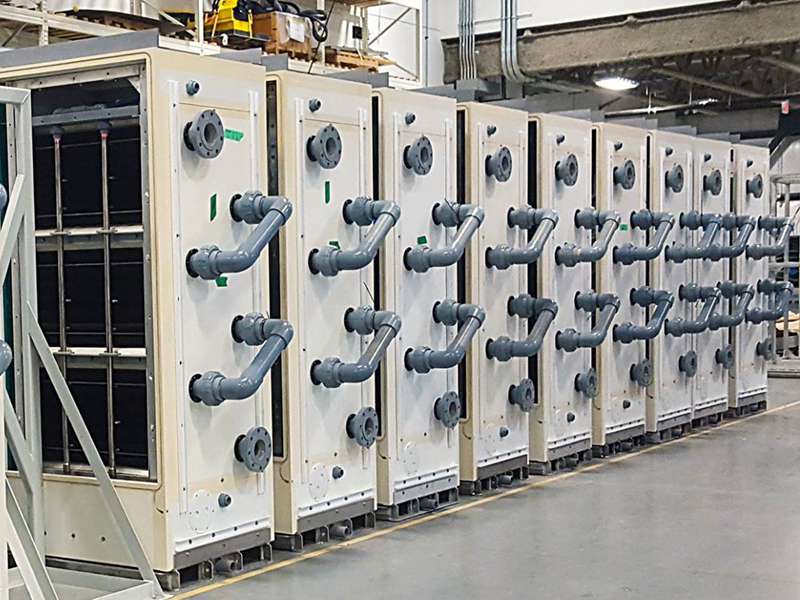
Simply put, customized GRP products are items crafted from glass reinforced plastic that have been tailored to specific client needs — shapes, sizes, properties, or additional embedded features. Unlike mass-produced GRP, these are designed with your unique specifications so the final product fits perfectly into the end-use scenario.
Think of it as bespoke tailoring — but for plastic composites. This customization aligns well not just with industrial efficiency but also with humanitarian and environmental needs. For example, in disaster recovery, quickly deployable GRP shelters can be custom manufactured to withstand regional weather while being lightweight for transport.
Core Elements of Customized GRP Products
1. Durability & Resistance
GRP offers excellent corrosion and chemical resistance — vital for industries like wastewater treatment or offshore platforms. Customization lets manufacturers tweak resin types and fiber layering to match the endurance you need.
2. Design Flexibility
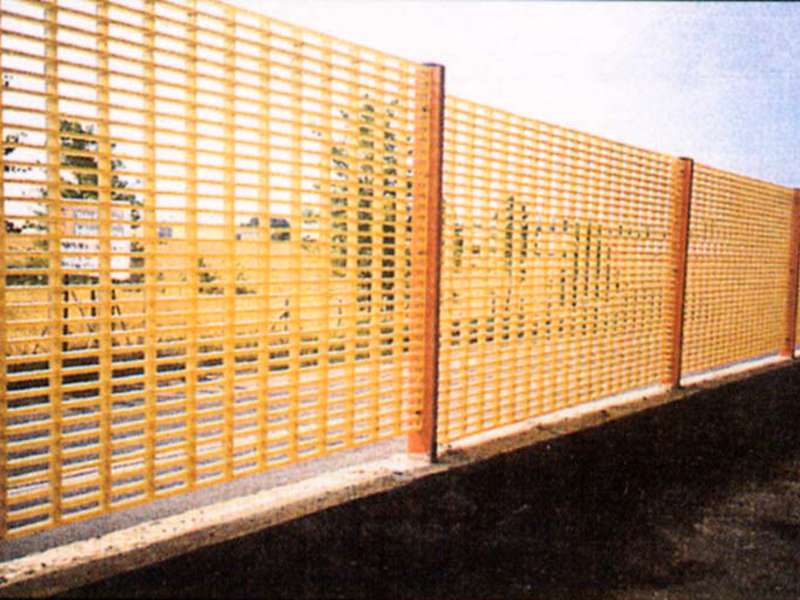
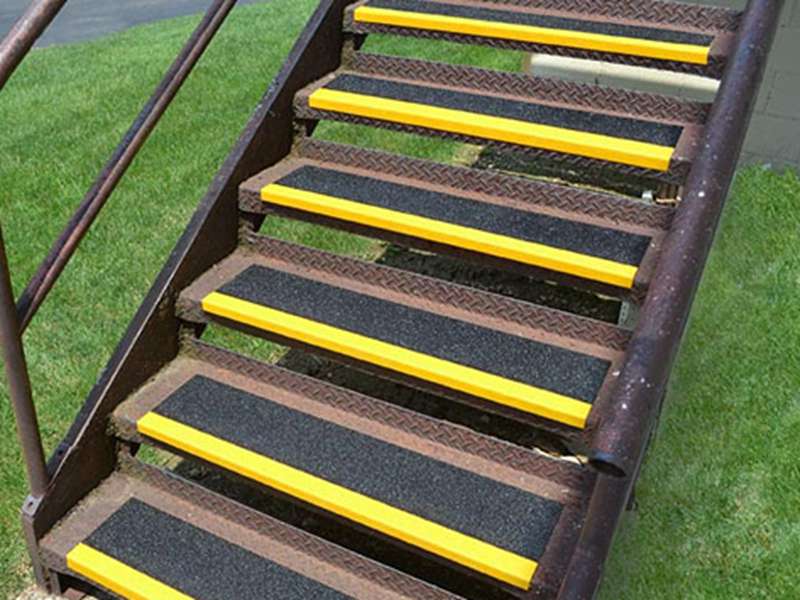
The material’s moldability lets you create complex shapes not achievable by metals or wood. Custom designs can include integrated conduits, textured surfaces, or even color variations to suit branding or functional needs.
3. Lightweight Structure
Customized GRP products retain the lightweight advantage, helping reduce installation labor costs or ease transport logistics, especially important in remote or difficult-to-access sites.
4. Cost Efficiency
While custom might sound pricey, overall lifecycle costs often dip thanks to longer durability, less maintenance, and more precise material use — leading to surprisingly economical solutions.
5. Sustainable Production
New trends lean into greener resins and recyclable fiber reinforcements, allowing customization without sacrificing eco-responsibility.
Mini takeaway: The blend of material properties and tailored design lets customized GRP products hit the sweet spot between performance and practicality.
Real-World Use Cases for Customized GRP Products
It's one thing to talk theory, but real-world applications make it fascinating:
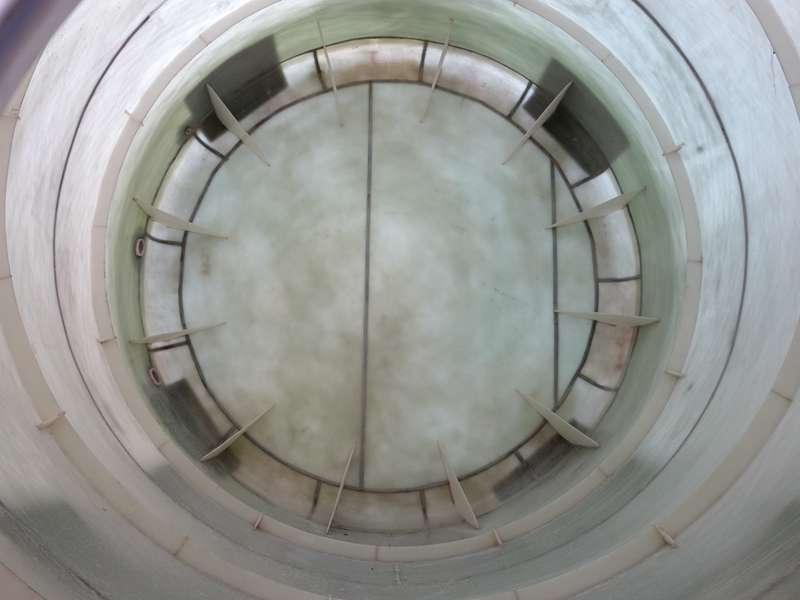
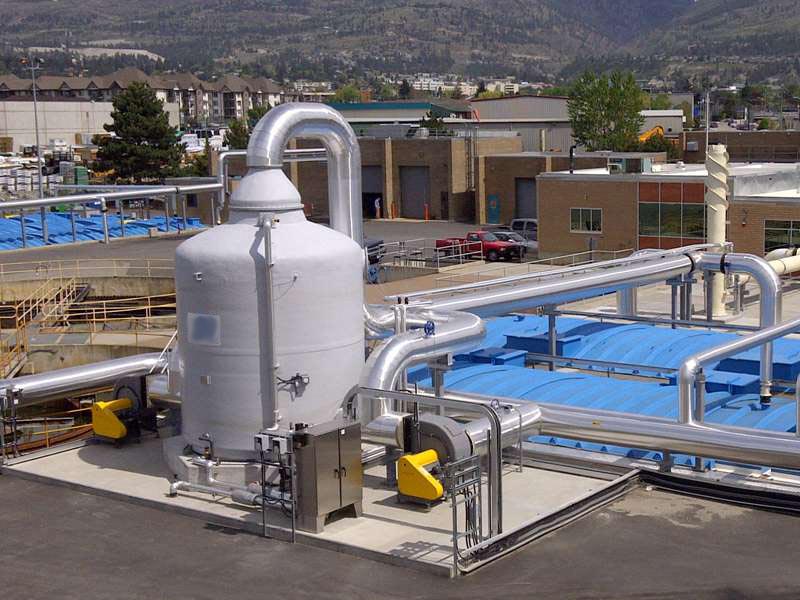
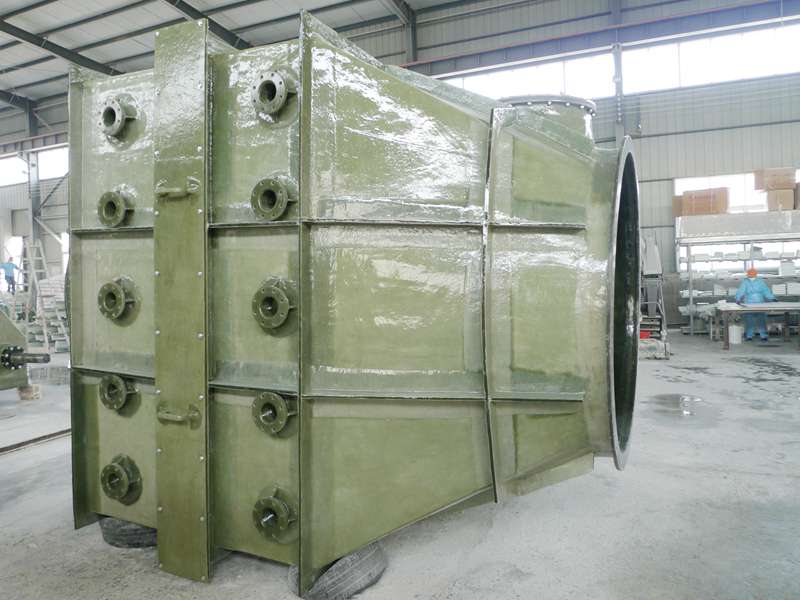
- Water treatment plants use GRP custom tanks designed to resist harsh chemicals and last decades without corrosion.
- Oil and gas pipelines in hostile environments benefit from bespoke GRP insulation covers that combine thermal resistance with mechanical protection.
- Renewable energy sectors are increasingly adopting custom GRP blades for wind turbines given their lightweight and strength balance.
- Disaster relief organizations have employed GRP shelters fabricated onsite, tailored to climate and transport needs.
The versatility and adaptability of customized GRP solutions truly make them a global asset.
Product Specifications Table: Typical Customized GRP Products
| Specification | Typical Range | Impact |
|---|---|---|
| Tensile Strength | 80–120 MPa | Supports heavy loads & structural integrity |
| Density | 1.5 – 2.0 g/cm³ | Keeps components lightweight |
| Temperature Resistance | -40°C to 120°C | Suitable for diverse climates |
| Chemical Resistance | Excellent (acid, alkali, salt) | Ideal for industrial environments |
| Customization Complexity | Simple shapes to multi-part assemblies | Fits unique project requirements |
Vendor Comparison for Customized GRP Product Providers
| Vendor | Range of Customization | Lead Time (weeks) | Global Reach | Average Price Level |
|---|---|---|---|---|
| Jrain FRP | Full customization, embedded tech options | 4-6 | Worldwide | Mid-range |
| Global Composite Inc. | Limited sizes/shapes | 6-8 | Europe & Asia | High |
| FiberTech Solutions | Good range, modular approach | 3-5 | North America | Mid to high |
The Lasting Value of Customized GRP Products
The benefits are tangible and, frankly, hard to ignore:
- Cost Savings: Tailored materials mean less waste and more efficiency — reducing capital and operational costs.
- Longevity: Better durability means fewer replacements and downtime, essential in mission-critical industries.
- Environmental Impact: Customized GRP often uses eco-conscious production and helps projects meet sustainability goals.
- Safety & Comfort: In humanitarian efforts, customized shelters and components provide dignity and protection from harsh environments.
Plus, many engineers mention a certain peace of mind knowing that each part was “made just for this job.” It feels good knowing everything fits and performs exactly as needed.
What’s Ahead: Trends Shaping the Future of Custom GRP Products
The industry is buzzing with innovation. A few trends stand out:
- Green Resins & Recycling: Biobased polymers and better recycling techniques promise lighter environmental footprints.
- Digital Design & Automation: 3D printing molds and AI-assisted design software mean quicker prototyping and more complex customization.
- Hybrid Composites: Combining GRP with carbon fibers or nanomaterials for superior strength-to-weight ratios.
- Smart Components: Embedding IoT sensors into GRP products to monitor stress, temperature, or corrosion in real time.
These advancements suggest a future where customized products by GRP offer even greater safety, sustainability, and adaptability.
Tackling Challenges in Customized GRP Manufacturing
No rose without its thorns, right? Some hurdles remain:
- Production Lead Times: Custom molds and testing take time, which can slow down urgent projects.
- Material Costs: High-quality fibers and resins sometimes push budgets, especially for niche properties.
- Skill Requirements: Designing and producing custom GRP needs experienced engineers and stringent quality control.
Thankfully, some vendors (like customized products by grp for a personalized touch to your ... manufacturers) are overcoming these barriers with modular design principles and advanced resin chemistry — balancing speed and precision.
Frequently Asked Questions About Customized GRP Products
Q1: How does customizing GRP improve project outcomes?
A1: Customization ensures exact fit, tailored material properties, and integration of special features — leading to enhanced durability and functionality that off-the-shelf products can’t match.
Q2: Are customized GRP products more expensive than standard ones?
A2: Initial costs may be higher due to design and tooling, but lifecycle savings in maintenance, downtime, and replacements typically offset this. Plus, optimized design can reduce waste.
Q3: Can customized GRP be used in extreme climates?
A3: Absolutely. By selecting specific resins and layering techniques, GRP components can resist temperature extremes, UV, and chemicals, making them ideal for harsh environments.
Q4: How long does it take to manufacture a customized GRP product?
A4: Lead times vary but generally range from 3 to 8 weeks depending on complexity, size, and testing requirements. Some vendors streamline this with modular parts.
Q5: Are there sustainability benefits with customized GRP?
A5: Yes, especially when using eco-friendly resins and recyclable fibers. Also, durability reduces the need for replacement, lowering the environmental footprint overall.
Wrapping It Up
Customized products by GRP offer more than just function — they bring a personal, precise touch to your projects that can’t be underestimated. From cutting down costs to enhancing sustainability and even improving safety, the benefits paint a compelling picture. So if you want something made to fit, lasting well beyond the usual, and gracefully adaptable, it’s worth looking closer at this technology.
For those intrigued, especially in industries requiring bespoke composite solutions, check out customized products by grp for a personalized touch to your ... for tailored offerings that balance innovation and practical use.
References
Latest news
-
Industrial High Pressure Fiberglass Pipe Guide and Technical SpecsNewsApr.16,2026
-
Industrial Storage Guide for Fiberglass Chemical TanksNewsApr.09,2026
-
Explore Durable and Customizable Custom Fiberglass Tanks for Your IndustryNewsApr.07,2026
-
Comprehensive Guide to Fiberglass Roof Tanks for Liquid Storage SolutionsNewsApr.04,2026
-
Comprehensive Guide to Durable and Corrosion Resistant Glass Fiber TanksNewsMar.31,2026
-
Comprehensive Guide to Tank Fiberglass Solutions and Their Diverse ApplicationsNewsMar.28,2026