

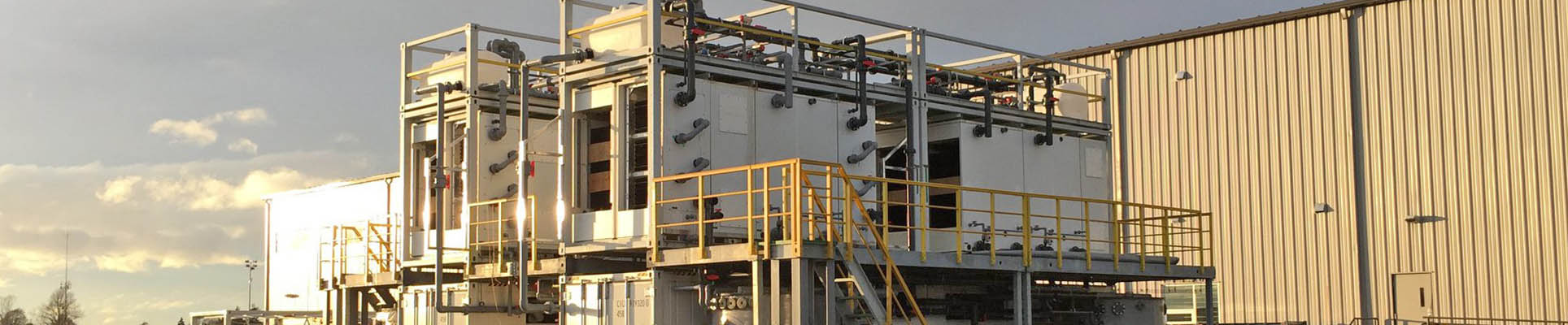

Customized Products by GRP for a Personalized Touch to Your Projects – Durable, Flexible, and Tailored Solutions
Customized Products by GRP for a Personalized Touch to Your Projects
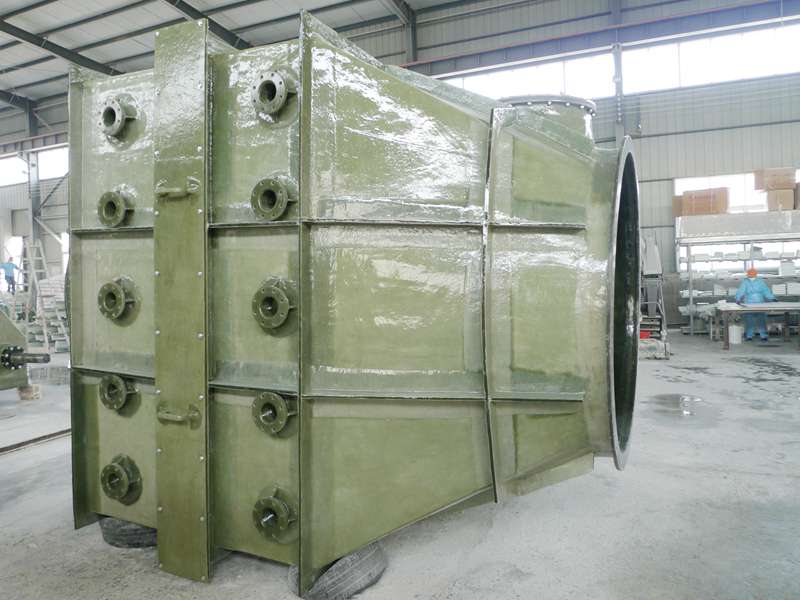
If you’ve ever wondered how modern industries and humanitarian efforts manage to balance durability, cost-effectiveness, and customization in their materials, fiberglass-reinforced plastics (GRP) often play a starring role. Customized products by GRP for a personalized touch to your projects are gaining traction worldwide—not just for their sturdy nature but because they offer tailored solutions to complex needs.
Globally, the demand for versatile, strong, and lightweight materials is on the rise. According to the International Organization for Standardization (ISO), GRP materials rank among the most adaptable of composites, crucial in sectors from construction to water management. But why does customization matter so much here? Well, frankly, off-the-shelf products can only take you so far. When your project demands specific shapes, sizes, or functionalities, customized GRP steps up to provide a personalized touch, whether that’s for residential architecture or disaster relief shelters.
Defining Customized GRP Products
Put simply, customized products by GRP for a personalized touch means manufacturing fiber-reinforced plastic items tailored to exact specifications—shape, strength, color, size, and functionality—to fit unique project requirements. GRP combines fiberglass fabric or mats with a polymer resin, like polyester or vinyl ester, creating a composite that’s both lightweight and incredibly strong.
This technology isn’t just about strength; it’s about flexibility. Industries today need materials that adapt to specific environmental challenges or design aesthetics, and customized GRP lets them do just that. From telecom enclosures to water tanks resistant to harsh chemicals, a bespoke GRP product ensures you’re not compromising on either form or function.
Core Components that Make Customized GRP Shine
- Durability: Resistant to corrosion, UV radiation, and weathering, GRP lasts longer in challenging conditions, which both engineers and designers appreciate.
- Lightweight Construction: Compared to metals, fiber-reinforced plastics are much lighter, facilitating easier transport and installation—a real boon for remote or difficult-to-access sites.
- Cost Efficiency: While the upfront customization might seem pricier, long-term savings arise from low maintenance and longer lifespan.
- Design Flexibility: Virtually any shape or size is possible, allowing for precise tailoring to project needs.
- Thermal & Electrical Insulation: Many GRP products inherently resist heat and electricity, ideal for industrial applications.
- Sustainability Potential: Growing efforts focus on recyclable resin systems and reduced environmental footprints.
Having worked alongside engineers designing customized GRP components, I’ve seen how these factors translate into practical, reliable solutions that last.
Product Specification Table: Typical Customized GRP Products
| Product Type | Material Composition | Weight (kg/m²) | UV & Corrosion Resistance | Typical Applications |
|---|---|---|---|---|
| GRP Panels | Polyester resin + fiberglass mat | 5-7 | High | Construction facades, shelters |
| GRP Water Tanks | Vinyl ester resin + chopped strand mat | 8-10 | Very High | Water storage, chemical tanks |
| GRP Telecom Enclosures | Isophthalic resin + fiberglass fabric | 6-8 | High | Outdoor cabinets, protective housings |
Global Applications & Use Cases
Custom GRP products are everywhere—often unseen but critical. In Southeast Asia and parts of Africa, customized GRP water tanks help provide clean water in areas where corrosion-resistant materials are vital given the tropical climate. Post-disaster relief agencies prefer lightweight, durable GRP shelters that can be shipped and assembled quickly, offering displaced families dignity and safety.
Industrial zones, especially in harsh environments like mining sites in South America or offshore platforms in the North Sea, rely on GRP telecom enclosures and piping systems for reliable operation — because metal alternatives would corrode too fast under extreme conditions.
For a somewhat personal note, I recall discussing with a project manager in Kenya how a custom GRP water tank saved months of delays due to its tailored fit and resistance to local water chemistry, proving that the “personalized touch” isn’t just a buzzword but a real-world advantage.
Vendor Comparison Table: GRP Product Providers
| Vendor | Customization Range | Lead Time | Sustainability Initiatives | Geographic Reach |
|---|---|---|---|---|
| Jrain FRP | High (shape, size, resin type) | 4-6 weeks | Yes, recyclable resins | Global |
| Fiberglass Solutions | Medium | 6-8 weeks | Limited | North America & Europe |
| Composite Craft | Low (standard models) | 2-4 weeks | No | Asia |
Advantages & Long-Term Value
Customized GRP products offer tangible benefits beyond just shaping materials differently. Practically speaking, they reduce maintenance costs, extend project lifespans, and improve reliability. Emotionally, they foster trust—whether among engineers who know the materials will perform or communities in need who gain safer housing.
Because they can be tailored, waste is minimized, aligning well with increasingly strict sustainability policies worldwide. For industries, this means not just compliance but a positive brand image. There’s also a subtle dignity factor, especially in humanitarian contexts—personalized GRP shelters aren’t just functional; they’re a real upgrade over generic tents or metal containers.
Future Trends & Innovations
What’s exciting is how this space is evolving. Green chemistry innovations are enabling resins that are more eco-friendly and easier to recycle. Automation and digital tooling allow for precise customization, faster turnarounds, and quality control.
And if you’re thinking about smart materials, some vendors are exploring integrating sensors into GRP products for real-time condition monitoring—think telecom enclosures that alert when damaged or tanks that track fluid levels remotely.
Challenges & Solutions
Of course, customizing GRP isn’t without hurdles. Lead times can be longer, and upfront costs sometimes higher than off-the-shelf alternatives. Sourcing eco-friendly resins remains a challenge, though it’s improving.
Innovative approaches help here—modular production methods, for one, speed up delivery without sacrificing customization. Bulk purchasing of raw materials lowers costs, and partnerships that emphasize circular economy principles are transforming waste back into resource.
FAQ: Customized Products by GRP for a Personalized Touch
- How durable are customized GRP products compared to traditional materials?
- Customized GRP typically offers superior corrosion and UV resistance compared to metals, lasting 20+ years with minimal maintenance, ideal for outdoor or industrial use.
- Can customized GRP products be made to specific sizes and shapes?
- Absolutely. One of GRP's greatest strengths is design flexibility, allowing virtually any size or complex shape tailored to your exact project needs.
- Are customized GRP water tanks safe for potable water?
- Yes. When made with food-grade resin systems, GRP tanks meet international standards for potable water storage, ensuring safety and longevity.
- What are typical lead times for customized GRP orders?
- Depending on project complexity, lead times usually range from 4 to 8 weeks, factoring in design approval, molding, and curing processes.
- How environmentally friendly are GRP products?
- While traditional resins have environmental drawbacks, recent developments focus on recyclable resins and reducing VOC emissions. Sustainability is improving steadily.
Conclusion
Customized products by GRP for a personalized touch to your projects are not just a niche solution—they’re increasingly central to durable, cost-effective, and tailored industrial and humanitarian outcomes. Whether for remote water storage, telecom enclosures, or rapid shelter deployment, GRP offers a technology that balances strength, flexibility, and sustainability.
If you’re interested in exploring customized GRP solutions for your next project, I highly recommend checking out customized products by grp for a personalized touch to your .... They combine experience with innovation, delivering products that really fit your needs.
Mini Takeaway: The true strength of customized GRP lies not only in its durable materials but in how it’s crafted to match your project's unique demands, making it both practical and personal.
References:
1. Wikipedia - Fiberglass
2. International Organization for Standardization (ISO)
3. United Nations Environment Programme reports on sustainable materials
Latest news
-
Industrial High Pressure Fiberglass Pipe Guide and Technical SpecsNewsApr.16,2026
-
Industrial Storage Guide for Fiberglass Chemical TanksNewsApr.09,2026
-
Explore Durable and Customizable Custom Fiberglass Tanks for Your IndustryNewsApr.07,2026
-
Comprehensive Guide to Fiberglass Roof Tanks for Liquid Storage SolutionsNewsApr.04,2026
-
Comprehensive Guide to Durable and Corrosion Resistant Glass Fiber TanksNewsMar.31,2026
-
Comprehensive Guide to Tank Fiberglass Solutions and Their Diverse ApplicationsNewsMar.28,2026