

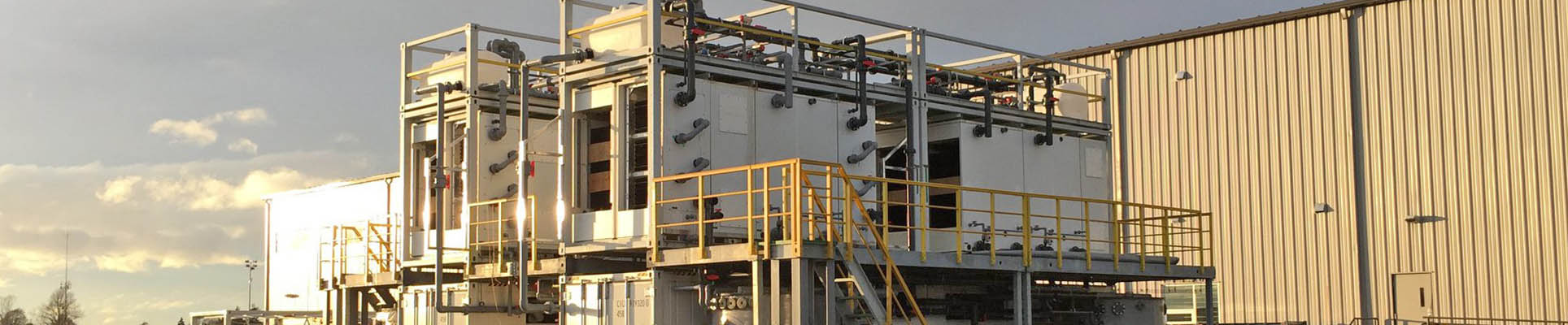

Customized Products by GRP for a Personalized Touch: Durable, Tailored Composite Solutions
Why Customized Products by GRP Make a Personal Touch So Important
In an increasingly connected but impersonal world, the value of customized products by GRP for a personalized touch to your environments and solutions is growing remarkably fast. Glass Reinforced Plastic (GRP) might sound like a purely industrial material, but its ability to be tailored and customized means it’s weaving itself into industries from infrastructure to humanitarian aid. It’s a game changer because, frankly, one-size-fits-all solutions rarely cut the mustard these days.
Global data shows that industries leveraging customization and durable materials like GRP tend to see improved sustainability, efficiency, and client satisfaction—key factors as we look towards a world with increasing urbanization and climate concerns. According to the International Organization for Standardization (ISO), products designed with tailored composite materials can reduce waste by 30–50%, depending on the sector. That’s not trivial. Beyond mere numbers, it’s about solving real, diverse challenges with products that fit the exact need rather than forcing compromises.
Mini takeaway: At its core, choosing customized GRP products isn’t just a trend; it’s a strategic response to today’s demand for precision, durability, and identity in countless applications.
The Big Picture: Why Global Industries are Turning to Customized GRP Solutions
Globally, infrastructure development is booming, particularly in Asia-Pacific and Africa, where rapid urbanization demands materials that are both versatile and reliable. Customized GRP products stand out because they combine light weight, corrosion resistance, and adaptability — a combination often impossible to find in traditional materials like steel or wood.
World Bank data highlights that infrastructure projects embedded with composite materials can shorten build times and lower maintenance costs significantly. Yet, many regions suffer from a mismatch between available materials and project types — think coastal installations facing saltwater damage or remote industrial zones with extreme climates.
This mismatch marks the problem that tailored GRP solutions aim to solve: How do you deliver durable, customized materials that fit unique environmental and functional needs without breaking budgets or timelines?
What Are Customized Products by GRP, Anyway?
In simple terms, GRP refers to Glass Reinforced Plastic—a composite material combining glass fibers and resin to create a strong, lightweight, and versatile product. What happens when you customize it? You optimize shape, size, color, and even mechanical properties for specific project demands. So instead of ordering generic sheets or panels, you get pieces designed around your exact vision and practical needs.
Customization here isn’t just cosmetic. It’s about creating solutions that meet precise load requirements, environmental exposures, or even aesthetic desires, which is why it’s becoming vital across construction, transportation, energy, and more. A personalized touch really means the difference between “just enough” and “exactly right.”
Core Components That Make Customized GRP Products a Smart Choice
1. Durability
GRP's inherent strength and corrosion resistance make it perfect for environments where materials face harsh chemicals or weather extremes. Customization enhances this by adjusting resin types or fiber orientations, extending lifespan even further.
2. Design Flexibility
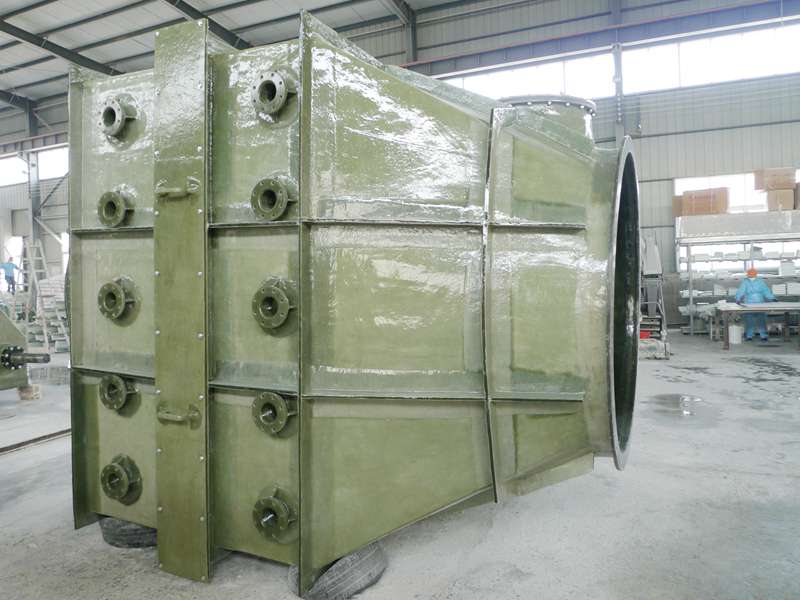
Unlike metals, GRP can be molded into nearly any shape, allowing intricate designs or ergonomic features that traditional materials can’t match — think curved architectural panels or complex ducting.
3. Lightweight Advantage
Weight matters, especially in transportation and prefabricated structures. Customized GRP products can optimize fiber content to balance weight and strength — reducing transportation costs and speeding installation.
4. Cost Efficiency Over Time
Higher upfront costs sometimes deter decision-makers, but customized GRP pays off by reducing maintenance, energy leakage (in insulated panels), and replacements. Long-term savings usually surprise clients.
5. Environmental Adaptability
Whether it’s tropical humidity or arctic chill, GRP’s properties can be tuned for local climates. A personalized product can include UV stabilizers or antifungal additives, ensuring reliable performance worldwide.
6. Thermal and Electrical Properties
Customization allows tailoring insulation or conductivity, which is critical in electrical enclosures or HVAC components, ensuring compliance and safety.
Mini takeaway: Each of these components contributes to making customized GRP products not only technically superior but also aligned with practical needs and cost considerations.
How Customized GRP Products Are Shaping Real-World Solutions
The versatility of customized GRP finds homes in many corners of the world:
- Post-disaster relief: Rapidly manufactured modular shelters made from lightweight, corrosion-resistant GRP panels offer quick, durable housing solutions in refugee camps.
- Industrial zones: In remote mining or oil operations, tailored GRP pipelines and storage units fight chemical erosion and extreme temperatures, slashing downtime.
- Urban infrastructure: Custom GRP cladding and ducts help architects realize innovative designs while reducing building weight and environmental impact.
- Transport: GRP components customized for rail or marine vessels reduce weight and resist corrosion, improving fuel efficiency.
Interestingly, some NGOs prioritize customized GRP tanks for clean water storage in sub-Saharan Africa, adapting the tanks' sizes and features to local logistics and climate.
Advantages & Long-Term Value of Customized GRP Products
Beyond the thrill of ingenious design, why should companies care?
- Cost savings: Less maintenance and fewer replacements save serious money over time.
- Sustainability: GRP products’ long lives and recyclability align with ISO standards on environmental management.
- Social impact: Durable, safe shelters or infrastructure provide communities with dignity and security.
- Trust & Innovation: Customized solutions reflect a brand’s commitment to quality and forward-thinking.
On a more human note, there's something reassuring about knowing that a product was made “just for you”—it builds lasting trust between manufacturers, end users, and communities alike.
Product Specification Table for Customized GRP Panels
| Specification | Value | Notes |
|---|---|---|
| Material Composition | E-Glass Fibers + Vinyl Ester Resin | Optimized for corrosion resistance |
| Density | 1.75 g/cm³ | Lightweight alternative to steel |
| Tensile Strength | 300 MPa | Suitable for structural applications |
| Fire Rating | UL94 V-0 | Flame retardant |
| Custom Colors | Available | Tinted or opaque |
| Maximum Panel Size | 3m x 1.5m | Size can be customized based on mold |
Vendor Comparison for Customized GRP Providers
| Vendor | Customization Options | Lead Times | Pricing Tier | Sustainability Focus |
|---|---|---|---|---|
| Jrain FRP | Extensive, from colors to mechanical specs | 3–5 weeks | Mid-range | ISO 14001 certified |
| FiberComposite Inc. | Moderate, mainly structural variants | 4–6 weeks | Higher | Limited |
| EcoResin Ltd. | Basic customization, color only | 2–3 weeks | Lower | Strong, bio-resin focus |
Looking Forward: Trends and Innovations in Customized GRP Products
Ongoing research is pushing GRP customization into new territories. For instance, green resins derived from plant sources are gaining traction to replace petroleum-based variants, aligning with the circular economy push. Automation in molding and real-time quality control through AI promise faster, more precise orders with less human error — a boon for rapid urban projects or emergency response.
Moreover, digital twin technology—creating an exact virtual replica of a customized product—is enabling engineers to pre-test and optimize designs before physical production, shrinking development cycles noticeably.
There’s also talk of embedding smart sensors inside GRP composites for health monitoring (think: bridges that “tell” you when to repair), which would bring tailored GRP into the age of the Internet of Things (IoT).
Overcoming Challenges in Customized GRP Product Adoption
Despite great potential, customization does introduce headaches: longer lead times, higher initial costs, and sometimes complexity in regulatory approvals. Not every project benefits equally—small batch runs remain pricey.
However, innovative modular designs and improved supply chains are gradually solving these problems. Many companies are adopting lean manufacturing approaches and diversified manufacturing locations to reduce turnaround times.
And, with customized products by grp for a personalized touch to your increasingly supported by software tools that simulate materials’ behavior, we’re seeing less guesswork — just better outcomes.
FAQ: Your Questions About Customized GRP Products
- Q: How durable are customized GRP products compared to steel?
- A: While steel is stronger under certain loads, GRP offers superior corrosion resistance and is lighter, resulting in longer service life in corrosive environments with less maintenance.
- Q: Can customization include color matching for branding purposes?
- A: Absolutely. Customized GRP panels can be manufactured in a vast palette, including custom pigments, allowing brands to maintain coherent visual identities across installations.
- Q: Are customized GRP products suitable for food industry applications?
- A: Yes, GRP can be formulated with FDA-approved resins and finishes, making them safe for food contact areas, especially when hygiene and corrosion resistance are critical.
- Q: What is the typical lead time for a fully customized GRP order?
- Lead times vary by complexity but generally range between 3 to 6 weeks, factoring design, prototyping, and production. Advanced digital design tools have shortened these cycles significantly.
- Q: How do organizations import customized GRP solutions internationally?
- Most providers offer logistics support tailored to client needs, including packaging designed to avoid damage and compliance documentation for customs clearance, making international delivery feasible and smooth.
Wrapping Up: Why Customized GRP Products Are a Smart Investment
In real terms, opting for customized products by GRP for a personalized touch to your needs isn’t just about material science; it’s about smarter design, sustainability, and long-term value. The adaptability alone lets you think beyond conventional limits — and ultimately builds safer, fitter, and more innovative projects.
So if you’re curious or ready to explore the possibilities, visit our website: https://www.jrain-frp.com, where customization meets expertise. Because when you build with tailored materials, every detail counts — and it shows.
References
Latest news
-
Industrial High Pressure Fiberglass Pipe Guide and Technical SpecsNewsApr.16,2026
-
Industrial Storage Guide for Fiberglass Chemical TanksNewsApr.09,2026
-
Explore Durable and Customizable Custom Fiberglass Tanks for Your IndustryNewsApr.07,2026
-
Comprehensive Guide to Fiberglass Roof Tanks for Liquid Storage SolutionsNewsApr.04,2026
-
Comprehensive Guide to Durable and Corrosion Resistant Glass Fiber TanksNewsMar.31,2026
-
Comprehensive Guide to Tank Fiberglass Solutions and Their Diverse ApplicationsNewsMar.28,2026