



Durable and Customizable GRP Chemical Tanks for Industrial Use
Understanding the GRP Chemical Tank: A Veteran’s Perspective
If you've spent any time around industrial facilities or chemical plants, you know that the heart of safe chemical storage is often a well-made chemical tank. Over the years, I’ve seen many materials come and go, but Glass Reinforced Plastic (GRP) chemical tanks keep standing out. It's a blend of durability, versatility, and surprisingly, design finesse that I’ve always appreciated.
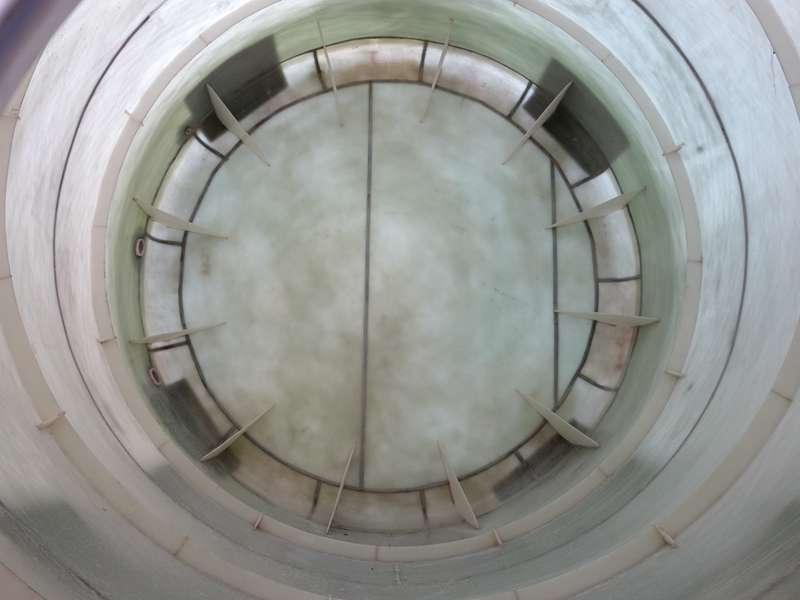
Now, GRP tanks aren't just tossed together plastics; they’re engineered, layered composites designed to resist harsh chemicals and weathering. I remember visiting a plant where a decade-old GRP chemical tank still looked almost as good as the day it was installed, and frankly, that was impressive considering the aggressive acids stored inside.
But why exactly has GRP earned such respect? It boils down to material science and practical benefits combined.
Material & Design Advantages
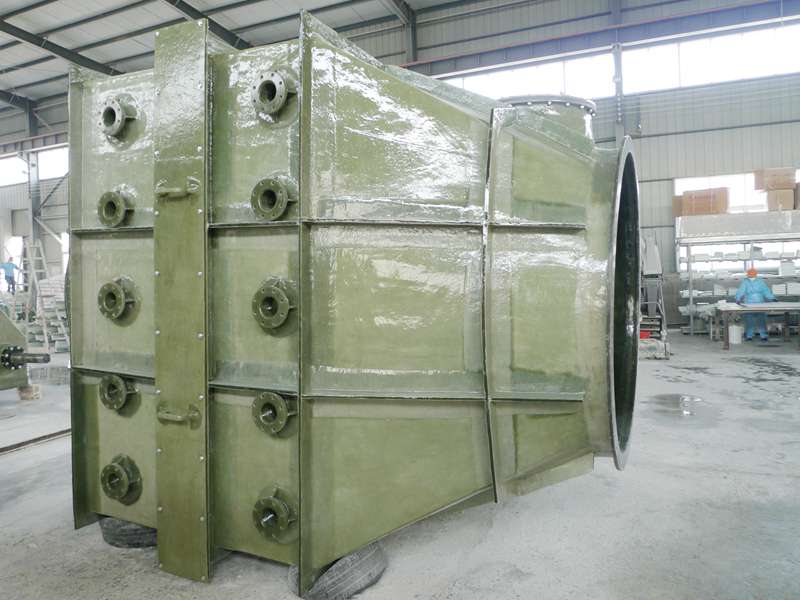
GRP tanks are made using fiberglass reinforcement coupled with durable resins, often polyester or vinyl ester, which give them great corrosion resistance. Unlike steel tanks that might rust or require constant maintenance, GRP tanks shrug off chemical attack, UV damage, and even extreme temperature swings fairly well.
Another thing I noticed in the field: GRP tanks are lightweight yet strong, making on-site installation a lot simpler compared to steel or concrete. Plus, customization is not just possible but practically routine—be it in size, shape, or internal coatings, tailoring tanks to the exact needs of the chemical process is a lot easier.
Testing and Quality Assurance
With chemical containment, you can't cut corners. Industry standards call for rigorous hydrostatic and vacuum testing to certify that GRP chemical tanks won’t leak or fail unexpectedly. Over time, the tests have gotten even more advanced. Many manufacturers rely on ultrasonic inspections and non-destructive testing to detect any internal defects before tanks leave the factory.
Personally, I’ve seen suppliers who take pride in exceeding standards, often including warranties that stretch well beyond typical expectations—something you can’t overlook when safety and environmental regulations are tight.
Applications & Real-World Usage
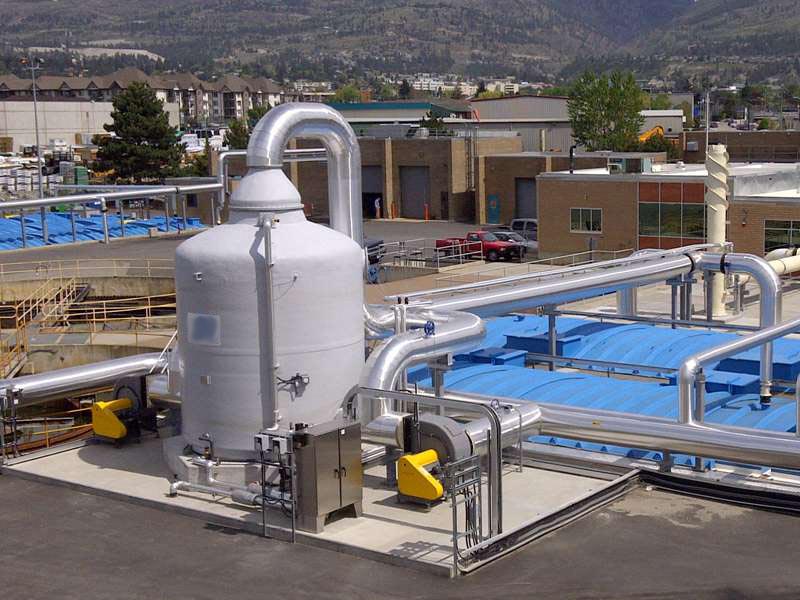
In real terms, these tanks serve a broad range of uses: storing strong acids, alkalis, and other aggressive solvents. I’ve helped specify GRP tanks for wastewater treatment plants and also for specialty chemical producers who rely on impeccable chemical resistance.
One memorable project was for a client in the mining sector; their older steel tanks kept succumbing to corrosion, but switching to GRP tanks transformed their operational reliability. Downtime dropped significantly, and maintenance costs followed suit—proof that investing in quality materials pays off.
| Property | Details |
|---|---|
| Material | Fiberglass Reinforced Polyester or Vinyl Ester Resin |
| Typical Sizes | 500 to 50,000 liters (customizable) |
| Temperature Range | -40°C to +120°C |
| Chemical Resistance | Highly resistant to acids, alkalis, solvents, and salts |
| Installation | On-site assembly, lightweight components |
| Service Life | 15+ years with proper maintenance |
Vendor Comparison: What to Consider
Oddly enough, while GRP looks like a straightforward product, vendor quality can vary a lot. I’ve dealt with three main suppliers over the years, and the differences come down to manufacturing processes, quality control, and customization capabilities.
| Feature | Vendor A | Vendor B | Vendor C |
|---|---|---|---|
| Customization | High - bespoke sizes/shapes | Moderate - limited shapes | High - specialized coatings option |
| Quality Assurance | Comprehensive testing & certification | Basic industry compliance | Enhanced NDT and warranty |
| Lead Time | 4 - 6 weeks | 3 weeks | 5 - 7 weeks |
| Technical Support | On-site support available | Remote only | 24/7 hotline & site visits |
In my experience, weighing those factors against your project requirements is critical. Higher upfront cost sometimes translates to savings down the line with less downtime and improved safety compliance.
Final Thoughts
So, if you’re scouting for reliable storage solutions, GRP chemical tanks really do deserve a hard look. Their resilience, adaptability, and relatively low maintenance make them a smart bet in many industrial scenarios.
Honestly, after years in the field, I trust them more than ever. And with advancements in resin tech and manufacturing methods, they’re only getting better.
Brief takeaway: it pays to invest in quality GRP tanks—not just for your equipment’s sake, but for overall plant safety and peace of mind.
References:
- ASTM D3299 - Standard Specification for Filament-Wound Fiberglass Tanks
- Corrosion Resistance Properties of Composite Materials, Journal of Material Science, 2021
- Vendor quality assessments, Plant Engineering Reviews, 2022


Latest news
-
Industrial High Pressure Fiberglass Pipe Guide and Technical SpecsNewsApr.16,2026
-
Industrial Storage Guide for Fiberglass Chemical TanksNewsApr.09,2026
-
Explore Durable and Customizable Custom Fiberglass Tanks for Your IndustryNewsApr.07,2026
-
Comprehensive Guide to Fiberglass Roof Tanks for Liquid Storage SolutionsNewsApr.04,2026
-
Comprehensive Guide to Durable and Corrosion Resistant Glass Fiber TanksNewsMar.31,2026
-
Comprehensive Guide to Tank Fiberglass Solutions and Their Diverse ApplicationsNewsMar.28,2026