



Durable & Customizable GRP Duct Solutions for Industrial Needs
Why GRP Duct Is Becoming an Industrial Favorite
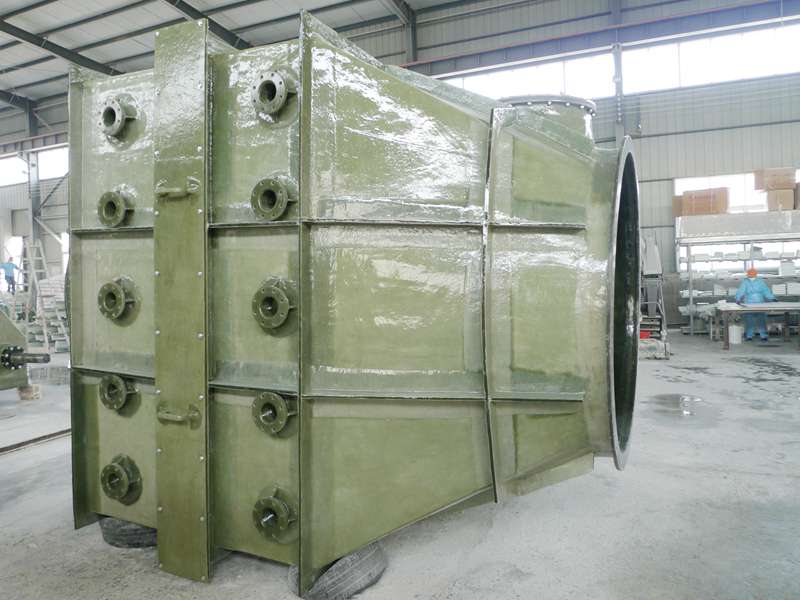
Having spent more than a decade working around industrial equipment, I can confidently say that GRP duct has steadily climbed the ranks in our field. It's one of those unsung heroes that doesn’t always get the spotlight, but really, it handles some tough environments with surprising ease.
GRP stands for Glass Reinforced Plastic — a composite material that combines fibreglass with polyester resin. Frankly, it feels like the ductwork equivalent of a reliable old truck: tough, no nonsense, and built to last. Unlike metal ducts that can corrode or warp when exposed to harsh chemicals or moisture, GRP ducts resist corrosion and offer excellent chemical resistance. You don’t often notice it until you have a problem; then, suddenly, you realize how valuable that longevity is.
One thing I’ve noticed over the years is just how customizable these ducts can be. They come in different shapes and sizes, and the material thickness can be tailored depending on pressure requirements. This flexibility makes them incredibly popular in chemical plants, wastewater treatment facilities, and even HVAC systems where corrosive gases are present. It’s not just versatility — it’s practical adaptability.
Breaking Down GRP Duct Specifications
For those of you who appreciate details (I’m kind of a specs nerd myself), here’s a snapshot of typical GRP duct parameters that you’ll often see in the field. It provides a good balance between performance and durability:
| Specification | Typical Values |
|---|---|
| Material Composition | E-Glass Fibres & Polyester Resin |
| Wall Thickness | 3mm – 10mm (customizable) |
| Operating Temperature | -40°C to 120°C |
| Pressure Rating | Up to 5000 Pa (varies by design) |
| Corrosion Resistance | Excellent against acids & alkalis |
One time, I remember visiting a client who was dealing with quite harsh sulfur dioxide emissions. They had tried metal ducts, which degraded fast, costing time and money for replacements. When they switched to GRP ducting, the maintenance interval doubled — and that, frankly, felt like a game-changer.
Comparing GRP Duct Vendors: What To Look Out For
Not all GRP ducts are made equal, though. There’s a noticeable difference in quality, testing rigor, and service support — an important consideration for long-term projects. Here’s a quick comparison among three well-known suppliers:
| Vendor | Material Quality | Customization Options | Lead Time | Technical Support |
|---|---|---|---|---|
| JRain FRP | High-grade E-Glass Fibres | Extensive (sizes, fittings) | 4-6 weeks | Comprehensive & responsive |
| Supplier B | Standard grade | Limited | 3-5 weeks | Basic support |
| Supplier C | Mid-grade | Moderate | 6-8 weeks | Onsite consultation available |
Picking the right vendor often boils down to project demands and how much customization your system requires — but also to the trust level in support when things inevitably get tricky. I suppose that’s why I tend to lean toward suppliers who offer not just a product but a partnership. They really understand the nuances of industrial needs.
In Real Terms: What Does This Mean For You?
At the end of the day, whether you’re retrofitting an old system or planning new construction, GRP duct is worth serious consideration. It's lightweight, strong, resistant to corrosion, and offers a solid service life without the headaches associated with metal or concrete alternatives. Plus, with quality vendors like JRain FRP, the process from inquiry to installation becomes much less taxing than one might expect.
My takeaway? If you haven’t worked with GRP ducts yet, maybe it's time to give them a spin in your next project. Oddly enough, these materials get overlooked because they’re “just ductwork,” but it’s often the “just” things that quietly hold everything else together.
Thanks for sticking with me through this — if you’re curious about specifics or have a tricky setup you want to run past someone who’s been in the trenches, reach out. No sales pitch, just honest talk about what works.
References:
1. Industry Materials Handbook, 2023 Edition
2. Case Studies on Corrosion Resistance, Industrial Coatings Journal
3. Conversations with field engineers, 2015-2023



Latest news
-
Industrial High Pressure Fiberglass Pipe Guide and Technical SpecsNewsApr.16,2026
-
Industrial Storage Guide for Fiberglass Chemical TanksNewsApr.09,2026
-
Explore Durable and Customizable Custom Fiberglass Tanks for Your IndustryNewsApr.07,2026
-
Comprehensive Guide to Fiberglass Roof Tanks for Liquid Storage SolutionsNewsApr.04,2026
-
Comprehensive Guide to Durable and Corrosion Resistant Glass Fiber TanksNewsMar.31,2026
-
Comprehensive Guide to Tank Fiberglass Solutions and Their Diverse ApplicationsNewsMar.28,2026