



Durable Fiberglass Insulation Tanks for Industrial Use | Expert Insights
Why Fiberglass Insulation Tanks are Still Essential in Industry
Having spent over a decade working hands-on in the industrial equipment sector, I can confidently say fiberglass insulation tanks remain quietly indispensable. You don’t always hear the buzz like with new tech, but these tanks keep things running safely and efficiently behind the scenes.
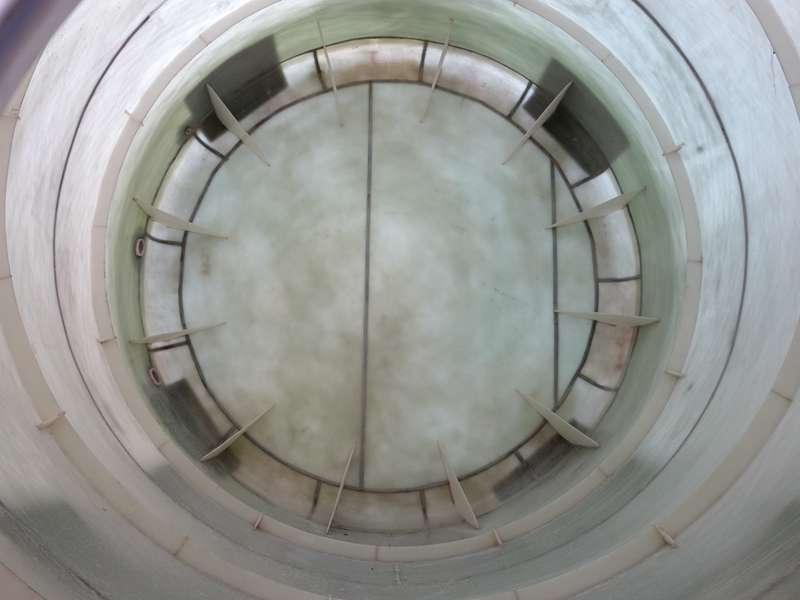
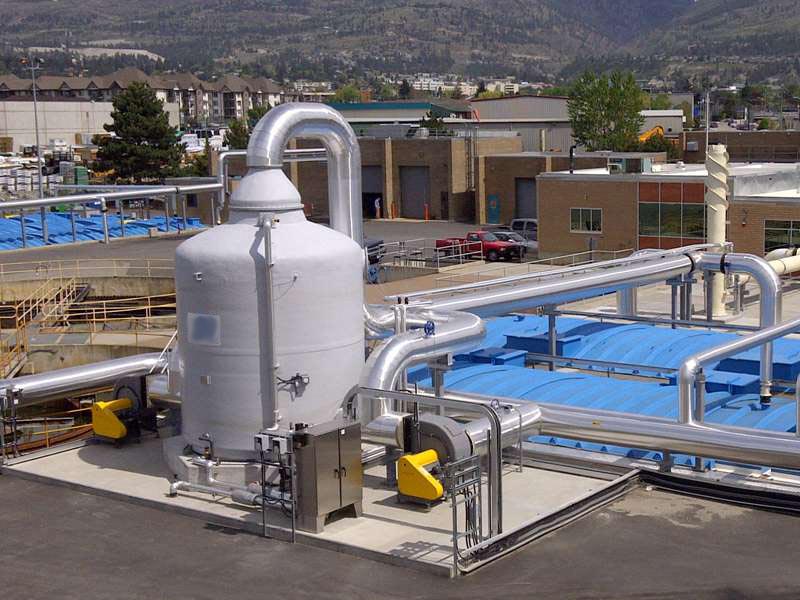
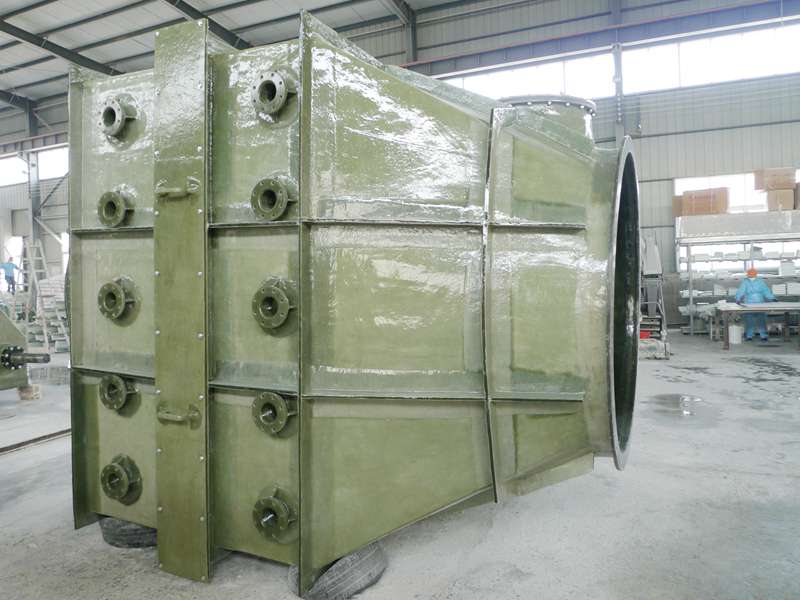
Fiberglass insulation tanks are basically vessels or tanks that integrate the lightweight strength of fiberglass reinforced plastic (FRP) with insulation properties. This combo works marvelously well to keep contents at steady temperatures, protect structural integrity, and reduce energy costs. I suppose the real charm is how adaptable these tanks are – from chemical storage to wastewater treatment and even food processing.
One thing that stood out early in my career was how the choice of insulation material affects performance. For many tanks, closed-cell foam insulations are sprayed or injected between the inner liner and the outer fiberglass shell. This setup minimizes thermal bridging and condensation issues, which can otherwise cause maintenance headaches. In fact, many engineers I know swear by polyurethane foam for its balance of R-value and durability.
Here’s a rough vision of a typical fiberglass insulation tank’s specs:
| Specification | Typical Value |
|---|---|
| Material | Fiberglass Reinforced Plastic (FRP) with polyurethane insulation |
| Tank Capacity | Varies: 500 to 50,000 gallons |
| Temperature Range | -40°C to 120°C (-40°F to 248°F) |
| Insulation Thickness | 50 to 150 mm |
| Corrosion Resistance | Excellent (chemical resistant resin used) |
| Weight | Much lighter than steel alternatives |
Oddly enough, despite the industrial nature, customization is where the magic happens. I remember once a client needed a tank for bioethanol storage, with very specific temperature constraints and a hostile environment outside — salt spray and UV exposure. We tweaked resin formulations and insulation thickness. That tank’s been humming along smoothly for years. You really get to appreciate how modular and flexible fiberglass tanks are compared to steel or concrete.
It’s not all rosy though. Some operators sometimes find it tricky to spot signs of insulation degradation without thorough inspections, since damage can be hidden beneath the outer shell. Regular monitoring is key for early intervention.
To get a clearer picture, here’s a vendor comparison. These are not exhaustive by any means, but just a snapshot based on what I’ve seen in the field and talked over coffee with peers:
| Feature | Vendor A | Vendor B | Vendor C |
|---|---|---|---|
| Material Quality | Premium-grade FRP | Standard FRP | High-grade composite blend |
| Customization Options | Extensive (resin, size, insulation) | Limited | Moderate |
| Lead Time | 4-6 weeks | 2-3 weeks | 5-7 weeks |
| Price Range | $$$ (premium) | $ (budget) | $$ (mid-tier) |
| After-Sales Support | Excellent, 24/7 tech support | Minimal | Good, business hours |
If you want to explore real-world options, it’s worth checking out fiberglass insulation tank offerings from specialist manufacturers who have decades of hands-on experience. They often provide tailored advice that you won’t get from generic product pages.
In real terms, the biggest takeaway over the years is that you don’t just buy a tank—you invest in a system that must last, perform, and protect. Fiberglass insulation tanks strike that balance pretty well, combining reliability with cost-effectiveness and design flexibility.
Frankly, they feel like the unsung workhorses of many industrial setups. The quiet guardian keeping your processes steady.
References:
- Industry Reports on FRP Tanks, 2023
- Interviews with Chemical Plant Engineers, 2022
- Materials Science Quarterly, FRP Focus Issue, 2023



Latest news
-
Industrial Storage Guide for Fiberglass Chemical TanksNewsApr.09,2026
-
Explore Durable and Customizable Custom Fiberglass Tanks for Your IndustryNewsApr.07,2026
-
Comprehensive Guide to Fiberglass Roof Tanks for Liquid Storage SolutionsNewsApr.04,2026
-
Comprehensive Guide to Durable and Corrosion Resistant Glass Fiber TanksNewsMar.31,2026
-
Comprehensive Guide to Tank Fiberglass Solutions and Their Diverse ApplicationsNewsMar.28,2026
-
Comprehensive Guide to Large Diameter Fiberglass Pipe SolutionsNewsMar.26,2026