

Durable FRP Grating for Industrial Flooring | JRain FRP Solutions
Understanding FRP Grating: Durable Solutions for Industrial Flooring
Having worked in industrial equipment for over 15 years, I can tell you that product choices often boil down to how materials perform under real-world conditions. That’s why FRP grating is a staple in many industrial settings — it’s lightweight, corrosion-resistant, and easy to customize, making it a bit of a silent hero in structural applications.
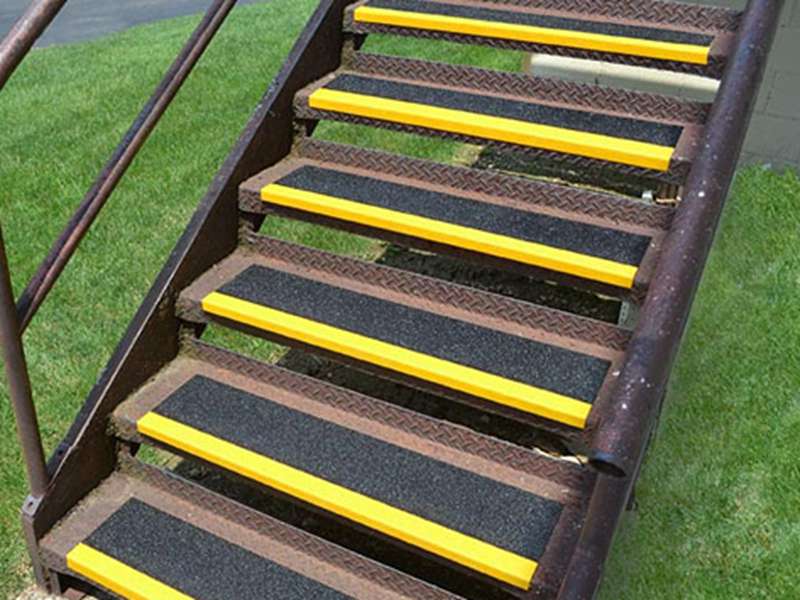
FRP (Fiberglass Reinforced Plastic) grating is essentially a composite material designed to replace traditional metal gratings, like steel or aluminum, especially where exposure to harsh chemicals or moisture is a concern. I remember one project at a wastewater treatment facility where the metal stair treads had corroded after a couple of years, causing costly repairs and downtime. Switching to FRP grating not only eliminated corrosion but also reduced maintenance significantly.
Oddly enough, despite its advantages, some engineers are still hesitant because FRP isn’t as heavy as metal, and it can feel “different” underfoot at first. But frankly, once you test it — its slip resistance, load-bearing capacity, and resistance to UV and chemicals — it earns trust pretty quickly.
What Makes FRP Grating Stand Out?
From the material perspective, FRP grating consists of a resin matrix reinforced with fiberglass strands. There are two common types of resin used: polyester and vinyl ester, each with its own advantages. Polyester resin is more affordable but vinyl ester offers enhanced chemical resistance, which you’ll find crucial in environments with aggressive solvents. Also, the manufacturing methods — molded or pultruded — affect the strength and appearance. Pultruded gratings tend to have smoother edges and slightly higher strength, making them popular for platforms and drainage covers.
Customizability is big news here. Depending on your facility’s needs, FRP gratings can be fabricated in various sizes, thicknesses, and colors, with added fire retardants or UV stabilizers if necessary. And all this customization doesn’t come with the weight of steel, which means easier handling and installation.
| Property | Value | Comments |
|---|---|---|
| Material | Fiberglass + Polyester or Vinyl Ester Resin | Depending on chemical resistance needed |
| Load Capacity | Up to 10,000 lbs/ft² (varies by design) | Design-specific, check supplier specs |
| Weight | ~4-6 lbs/ft² | Significantly lighter than steel |
| Fire Retardant Rating | ASTM E-84 Class 1 or better (optional) | Depends on resin and additives |
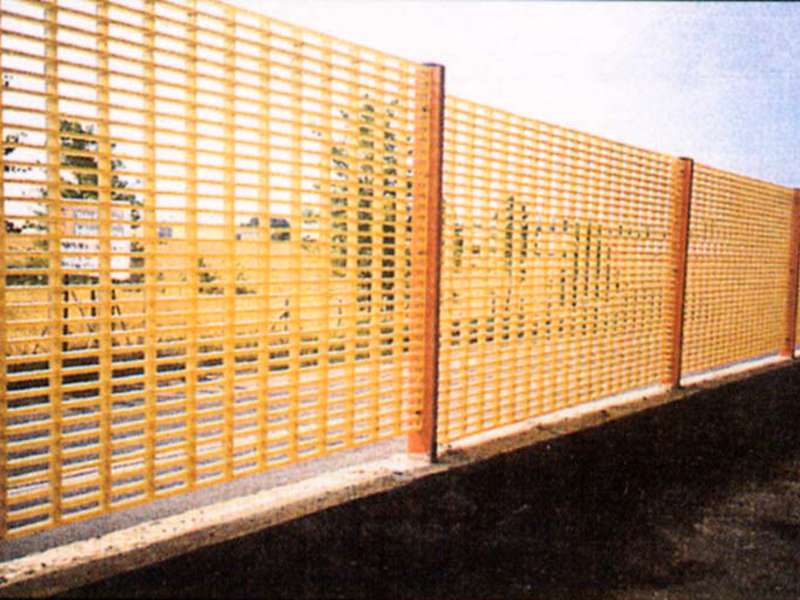
| Typical Colors | Yellow, Gray, Green, Custom | Color coding can aid safety |
How Does FRP Grating Stack Up Against Other Options?
It's useful to look at how FRP grating compares to typical metal grating suppliers. Below is a comparison of three well-known vendors I’ve interacted with over the years to illustrate the broad strokes you might expect.
| Vendor | Material Options | Custom Sizes | Lead Time | Pricing |
|---|---|---|---|---|
| Jrain FRP | Polyester & Vinyl Ester | Yes, highly customizable | 2-4 weeks | Competitive |
| FiberStrong | Primarily Polyester | Limited options | 3-5 weeks | Mid-range |
| StructoGrate | Vinyl Ester only | Moderate options | 4-6 weeks | Higher-end pricing |
In real terms, selecting the right vendor means balancing cost, lead time, and your specs — I found that having direct communication with your supplier pays off most. And frankly, it often comes down to which company is more responsive or willing to send samples. Samples are gold in this industry — you simply have to see and feel the grating before committing.
One thing I noticed on the field: some clients underestimate how critical the color and slip resistance features are for safety standards. Yellow gratings with anti-slip surfaces are popular near walkways to catch the eye, preventing accidents.
Before wrapping this up, a quick personal anecdote: once, a client in a coastal refinery shared how their FRP grating installation saved them from corrosion damage during a harsh salt fog season. Their initial doubts about the material quickly turned into enthusiasm — in environments like these, traditional steel just doesn’t hold up.
So, yes: FRP grating might not always be top of mind, but in many industrial sectors, it’s quietly proving to be a dependable, adaptable choice that engineers learn to appreciate the more they work with it.
In short: if you’re weighing options for corrosion-resistant, lighter-weight grating, FRP definitely deserves a close look — especially with a trusted supplier.
References:
- Corrosion Costs and Preventive Strategies, NACE International
- Fiberglass Grating Design Guide, JRain FRP Technical Documentation
- Industry Case Studies on FRP Applications, FiberStrong Publications
Latest news
-
Industrial High Pressure Fiberglass Pipe Guide and Technical SpecsNewsApr.16,2026
-
Industrial Storage Guide for Fiberglass Chemical TanksNewsApr.09,2026
-
Explore Durable and Customizable Custom Fiberglass Tanks for Your IndustryNewsApr.07,2026
-
Comprehensive Guide to Fiberglass Roof Tanks for Liquid Storage SolutionsNewsApr.04,2026
-
Comprehensive Guide to Durable and Corrosion Resistant Glass Fiber TanksNewsMar.31,2026
-
Comprehensive Guide to Tank Fiberglass Solutions and Their Diverse ApplicationsNewsMar.28,2026