

Durable FRP Mining Equipment | Lightweight & Corrosion-Resistant Solutions
FRP Mining Equipment: A Longtime Industry Perspective
Having spent more than a decade working around industrial gear, I’ve seen the mining sector evolve in intriguing ways. These days, FRP mining equipment has become something of a quiet game-changer. FRP, or fiber reinforced plastic, often doesn’t get the spotlight it deserves because, frankly, it’s not flashy – but it’s resilient, lightweight, and increasingly tailored for the harsh realities of mineral extraction.
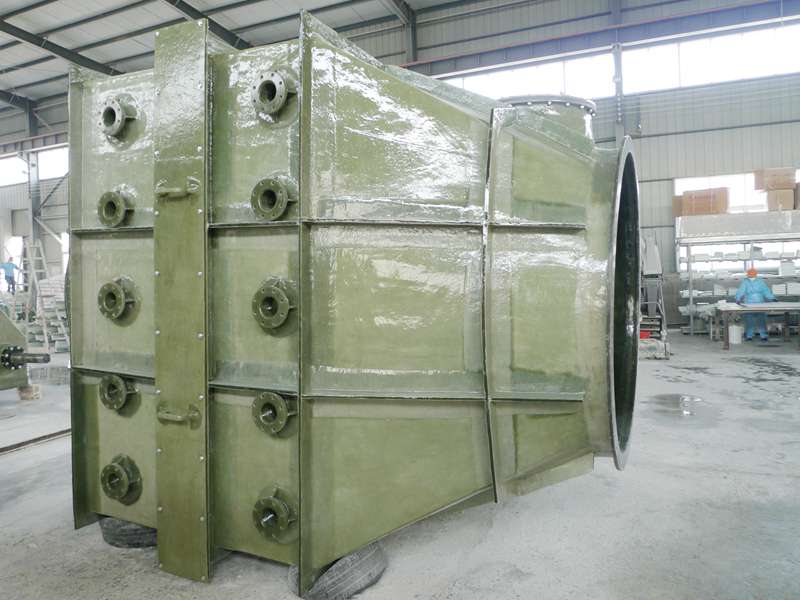
What I appreciate most about FRP in mining is its versatility. When you’re working underground or in remote open pits, equipment weight and corrosion resistance matter a lot. Traditional metals corrode or need constant maintenance, but FRP parts shrug off chemicals and moisture like nobody’s business. It’s the reason why engineers, including some colleagues I respect, often specify FRP components in pumps, ducts, and filtration systems.
Oddly enough, despite its robust properties, FRP feels a bit like the underdog material. Many folks outside the industry assume plastic means flimsy, but this composite is a different breed altogether. The glass or carbon fibers inside the resin matrix lend it strength and durability, allowing for customized designs that meet very specific mining challenges.
Key Product Specs of Typical FRP Mining Equipment
| Feature | Specification |
|---|---|
| Material Composition | Glass fiber-reinforced polyester and vinyl ester resins |
| Corrosion Resistance | Highly resistant to acids, alkalis, and salts |
| Operating Temperature Range | -40°C to 120°C (-40°F to 248°F) |
| Weight | Approximately 70% lighter than steel equivalents |
| Customization | Tailored sizes, colors, and chemical resistance options |
In real terms, this means an FRP component won’t weigh down your machinery unnecessarily and is easier to install or replace in tight mining environments. There’s also the environmental angle: less corrosion means less waste and longer equipment lifecycle, which, to me, always feels like a win.
Vendor Comparison: What to Look for When Buying FRP Mining Gear
| Vendor | Customization Options | Lead Time | After-Sales Support | Price Range |
|---|---|---|---|---|
| JRAIN FRP | Extensive (material & design) | 2–4 weeks | 24/7 technical support | Mid-range |
| Competitor A | Limited (standard sizes only) | 4–6 weeks | Business hours only | Lower |
| Competitor B | Moderate (material variants) | 3–5 weeks | Limited weekend support | Higher |
Picking the right FRP supplier can be a bit of a balancing act. In my experience, you want someone who listens carefully to your use case — mining environments vary wildly, after all — and offers customization without crazy lead times. I recall a particular project where swapping to JRAIN’s FRP ducts saved weeks of downtime because their team collaborated closely on specs and rapid delivery.
Testing of these materials can’t be overlooked either. FRP mining equipment usually endures ISO standard corrosion and strength tests. I’ve seen test reports showing impressive tensile strength and abrasion resistance that often surpass competing alternatives. So, when an engineer says FRP is “fit for purpose” in mining, it’s not just a buzzword — they’ve done their homework.
To wrap up, if you’re in mining operations and balancing durability, weight, and cost, consider FRP mining equipment. It’s not the flashiest choice, sure — more like the reliable, sturdy workhorse. Not to mention, it feels good knowing the gear you rely on won’t cave in to corrosion or add unnecessary bulk.
A small but valuable piece of industrial wisdom: sometimes the best material isn’t what you see first — it’s what quietly gets the job done for years.
References:
1. JRAIN FRP Product Datasheets (2024)
2. ISO 14125: Fiber-reinforced plastics testing standards
3. Industry interviews and on-site observations, 2015–2023
Latest news
-
Industrial High Pressure Fiberglass Pipe Guide and Technical SpecsNewsApr.16,2026
-
Industrial Storage Guide for Fiberglass Chemical TanksNewsApr.09,2026
-
Explore Durable and Customizable Custom Fiberglass Tanks for Your IndustryNewsApr.07,2026
-
Comprehensive Guide to Fiberglass Roof Tanks for Liquid Storage SolutionsNewsApr.04,2026
-
Comprehensive Guide to Durable and Corrosion Resistant Glass Fiber TanksNewsMar.31,2026
-
Comprehensive Guide to Tank Fiberglass Solutions and Their Diverse ApplicationsNewsMar.28,2026