



Durable GRP Demister Solutions for Industrial Gas-Liquid Separation
Understanding the GRP demister: Practical Insights from the Field
Having spent over a decade in the industrial equipment sector, I’ve seen my share of filtration challenges. One component that keeps cropping up as a real game-changer is the GRP demister – a seemingly simple device yet critical in many gas-liquid separation processes. Frankly, it’s the kind of product that, once you’ve worked with it firsthand, you start noticing how important small details become.
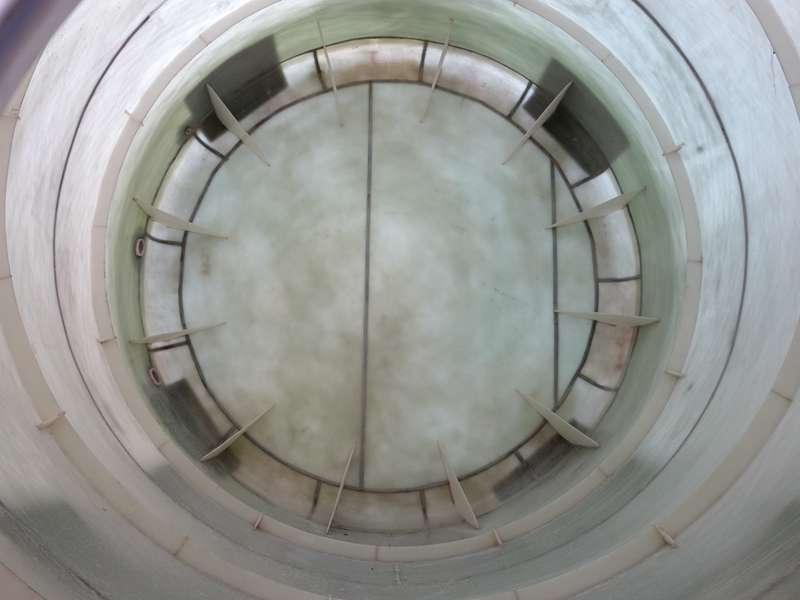
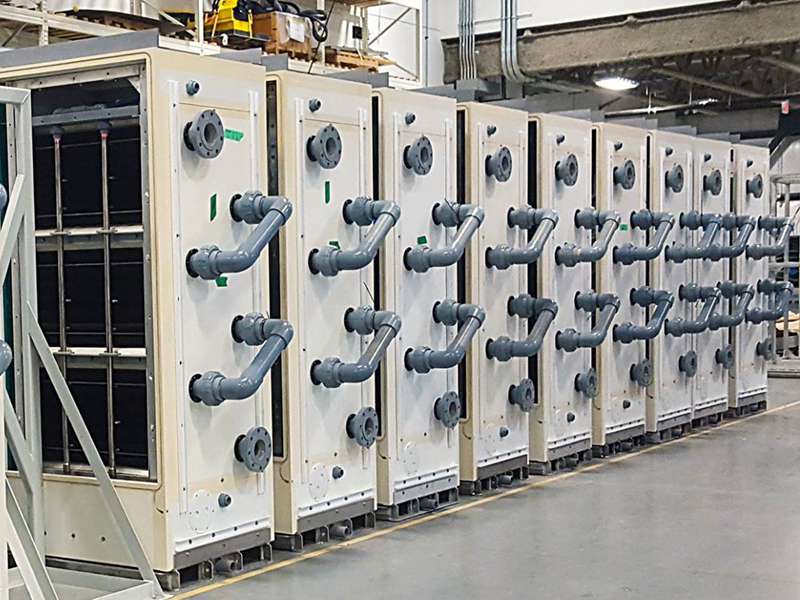
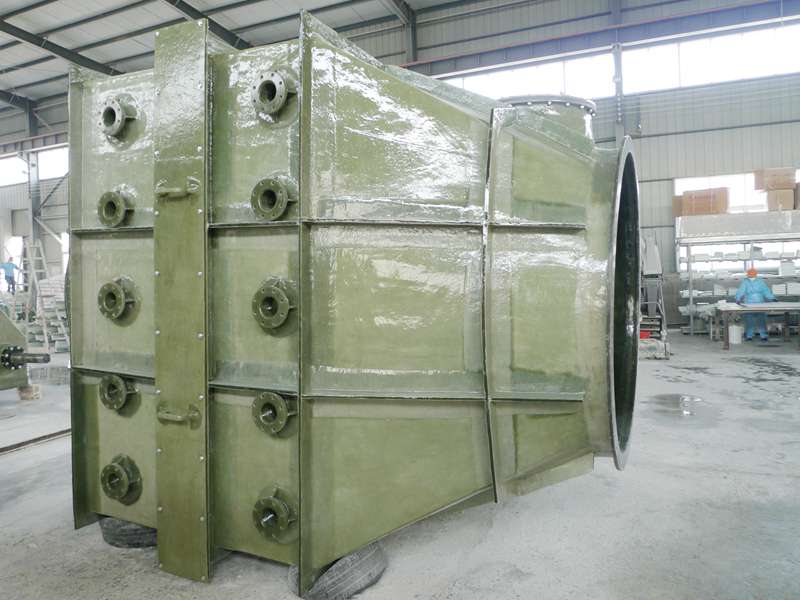
So, what makes a GRP demister stand out? GRP, or Glass Reinforced Plastic, provides an excellent balance of strength, corrosion resistance, and light weight, which suits harsh industrial environments such as chemical processing or oil and gas treatment. I remember a site visit where the demister’s corrosion resistance prevented costly downtime when everything else was showing rust. That practical durability is often underrated, I suppose.
In real terms, a GRP demister is designed to efficiently remove liquid droplets from gas streams. The device essentially acts like a mist catcher, allowing processed gases to stay dry and equipment downstream to run smoothly. Many engineers I’ve talked with emphasize the importance of the design parameters — mesh density, element thickness, and the quality of resin impregnation all factor heavily.
One thing worth mentioning: it’s pretty common to find customized designs tailored to the precise operating conditions, and frankly, those fit-for-purpose options often deliver better value. For example, when working on a project handling corrosive gases, our vendor supplied a demister with a special vinyl ester resin, doubling service life in comparisons I'd seen before.
| Parameter | Value | Notes |
|---|---|---|
| Material | Glass Reinforced Plastic (GRP) | Corrosion resistant |
| Mesh Density | 100–600 mesh | Depends on droplet size |
| Element Thickness | 10–30 mm | Customizable |
| Operating Temp | -40°C to 120°C | Varies by resin type |
| Pressure Drop | Ensures flow efficiency |
Comparing a few well-known suppliers in this arena helped me form a clearer view on what to expect:
| Vendor | Material Quality | Customization | Delivery Time | Pricing |
|---|---|---|---|---|
| Jrain FRP | High-grade vinyl ester resin | Extensive options, tailored solutions | 4-6 weeks | Competitive |
| Vendor B | Standard polyester resin | Limited customization | 6-8 weeks | Moderate |
| Vendor C | Glass fiber only | Basic models only | 2-4 weeks | Higher |
Oddly enough, the choice often boils down not just to specs on paper. It’s about who offers that reassuring mix of quality, reliable lead times, and responsive customization. I’d encourage you to see Jrain’s portfolio as a strong contender here — their attention to resin quality and mesh design truly matters when you’re dealing with sensitive chemical exposures.
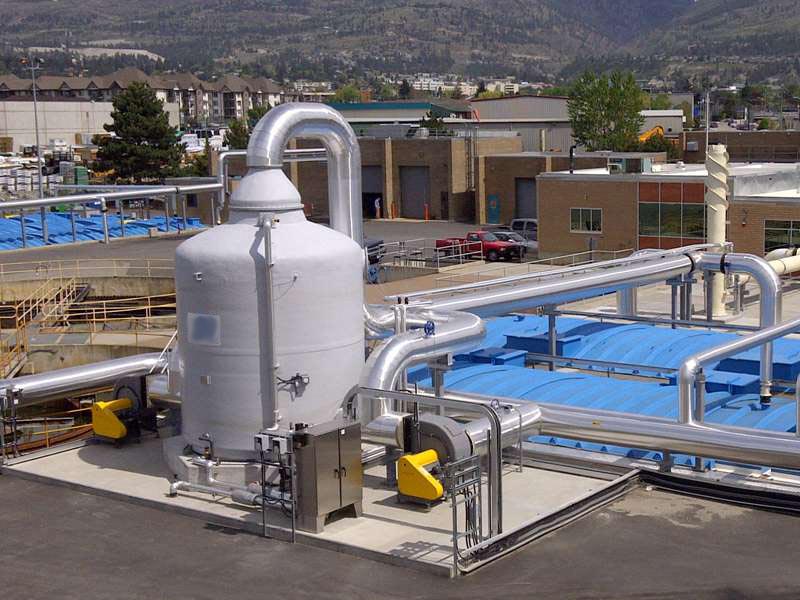
Let me share a quick anecdote: We once had a client struggling with frequent fouling in their gas scrubber units. After switching to a GRP demister supplied by Jrain with a high mesh intensity and custom thickness, the clogging issues eased significantly. The maintenance downtime dropped, and the operators were relieved not having to clean as often. You don’t always get that kind of immediate feedback from industrial components.
In sum, a GRP demister might feel like a small cog in your process, but its impact on operational efficiency and equipment longevity is far from trivial. Take time to pick one that aligns with your application conditions, don’t skimp on material robustness, and yes, trust suppliers that can back their specs with practical experience.
It feels like these details are what separate reliable installations from ones that just barely get by. And frankly, once you’ve been around the industry enough, you start to see that reliability is often the best cost saving there is.
—
References:
- “Gas-Liquid Separation Technologies,” Chemical Engineering Journal, 2022.
- Jrain FRP Technical Datasheets and Customer Feedback, 2023.
- Industrial Gas Processing: Best Practices, 2021 Edition.


Latest news
-
Industrial High Pressure Fiberglass Pipe Guide and Technical SpecsNewsApr.16,2026
-
Industrial Storage Guide for Fiberglass Chemical TanksNewsApr.09,2026
-
Explore Durable and Customizable Custom Fiberglass Tanks for Your IndustryNewsApr.07,2026
-
Comprehensive Guide to Fiberglass Roof Tanks for Liquid Storage SolutionsNewsApr.04,2026
-
Comprehensive Guide to Durable and Corrosion Resistant Glass Fiber TanksNewsMar.31,2026
-
Comprehensive Guide to Tank Fiberglass Solutions and Their Diverse ApplicationsNewsMar.28,2026