

Durable Rock Drill Rods for MF Bits | High-Performance Mining & Construction Tools
Unlocking the Power of Rock Drill Rods for MF Bits: A Global Perspective
Mining and construction might not seem glamorous on the surface, but they shape our world in ways we often overlook. At the heart of many of these operations lies an unassuming hero — the rock drill rod for MF bits, suitable for mining and construction. These rods are the essential link between the drill rig and the cutting tool, transmitting the energy needed to fracture rock and reach valuable minerals or prepare sites. Why does this matter globally? Because efficient, durable drilling equipment underpins everything from building skyscrapers to extracting raw materials critical for technology and infrastructure worldwide.
Understanding this equipment deeply means better productivity, safer work sites, and prolonged machine life — translating to economic benefits and environmental care. In fact, the global mining industry is projected to grow steadily, and as UN statistics suggest, demand for responsible resources is surging, calling for better drilling tech that’s efficient and reliable.
Why Rock Drill Rods Are Essential in Mining and Construction
The story of mining and construction is basically a story of overcoming raw nature. When you consider the scale — continents dotted with mining zones, cities sprawling with infrastructure projects — the need for reliable equipment becomes clear. Rock drill rods for MF bits are integral because they must endure constant impact, torque, and harsh environments.
According to ISO standards on drilling equipment, rods must meet strict durability and dimensional criteria to not only perform but also protect costly machinery and operators. Yet, a common challenge is rod fatigue and premature failure, costing time and money that no project can afford.
What Exactly Are Rock Drill Rods for MF Bits?
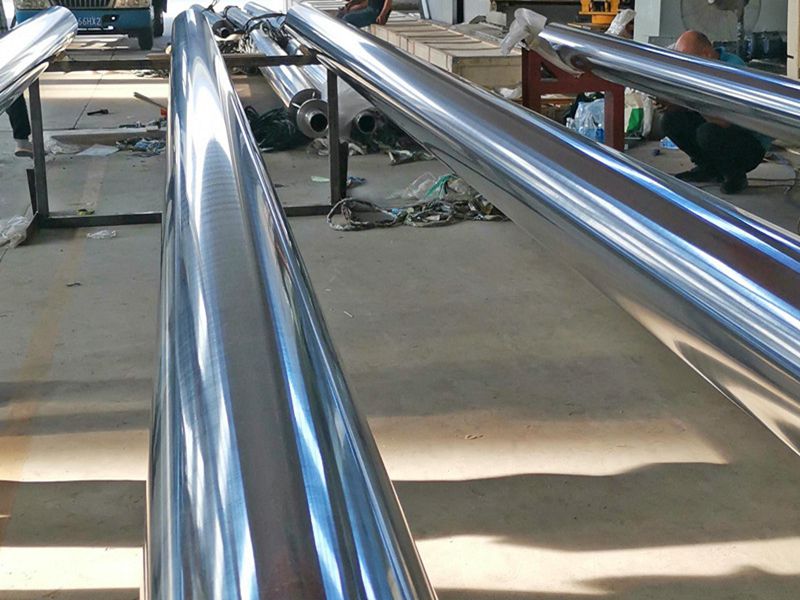
Simply put, these rods serve as the “shaft” connecting a multi-fluted (MF) drill bit to the drilling rig. They transfer rotational force and percussion blows from the drill motor to the rock face. Imagine a hammer and chisel; the rod is the handle transmitting your energy to break stone.
In modern industry, these rods aren’t just tubes; they are precision-engineered steel alloys designed to be strong yet flexible. They must be compatible with various MF bits, which are favored for their ability to drill quickly and penetrate hard rock formations — vital for underground mining, tunnel construction, and even geothermal projects.
Core Components and Factors Behind Rock Drill Rod Performance
1. Durability & Strength
The steel composition and heat treatment of rods decide how well they withstand impact stress and wear. High carbon, chrome, or manganese alloys are common — each balancing toughness with resistance to corrosion and cracking.
2. Compatibility with MF Bits
Thread design and rod diameter must align perfectly with the bit system to ensure power transfer without loosening or damage. Rock drill rod for mf bits, suitable for mining and construction, must meet these specs to fit seamlessly.
3. Weight and Handling
Lighter rods can improve drill operation speed and reduce operator fatigue but must not sacrifice strength. In remote sites, every kilo saved counts.
4. Cost Efficiency
Costs include not just upfront price but replacement frequency, downtime, and maintenance. Robust rods reduce operational interruptions, making long projects viable financially.
5. Corrosion Resistance
Mining can be wet, acidic, or extremely variable in conditions. Rod coatings or specialized alloys that resist corrosion lengthen rod life significantly.
Typical Specifications of a Standard Rock Drill Rod for MF Bits
| Specification | Value | Notes |
|---|---|---|
| Material | High-strength alloy steel (e.g., 42CrMo4) | Heat treated for impact resistance |
| Length | 3-6 meters | Depends on rig and application |
| Diameter | 40-50 mm | Varies by bit compatibility |
| Thread Type | API or special MF bit standard | Ensures tight, secure fit |
| Surface Finish | Coated/galvanized | For corrosion protection |
| Weight (per meter) | ~8-10 kg | Balance between strength and handling |
Where Are These Rods Making Their Mark?
Globally, their use spans mining hotspots like Australia’s Pilbara region, South Africa’s Witwatersrand basin, and emerging mining operations in South America. Construction projects require them in urban tunneling, dam building, and roadworks from Europe to Asia and Africa.
Post-disaster recovery sees them instrumental in rebuilding infrastructure — for example, in post-earthquake zones, drill rigs with reliable rods enable quick excavation and assessment. In remote industrial zones, where supply chains are fragile, having rock drill rods that last means fewer delays. NGOs and infrastructure developers rely on this reliability for sustainable development too.
Vendor Comparison: Quality Vs Price Considerations
| Vendor | Material Quality | Price Range (USD) | Lead Time | Warranty & Support |
|---|---|---|---|---|
| Jrain-Industrial | Premium alloy steel with anti-corrosion | $120 - $200 per rod | 2-3 weeks | 12 months, 24/7 technical support |
| Global Drill Tools | Standard high carbon steel | $90 - $150 per rod | 1-2 weeks | 6 months, online support |
| EastRock Supplies | Manganese steel with limited corrosion resistance | $80 - $140 per rod | 3-4 weeks | 3 months, email support |
Why Invest in High-Quality Rock Drill Rods?
It’s tempting to cut costs on rods because they might seem like “just a component,” but the long-term savings and safety gains are convincing. Durable rods mean fewer breakdowns and delays on site — that’s a direct impact on project timelines and budgets. On a human level, better equipment safeguards operator safety by minimizing equipment failure risk.
Plus, high-performing rods mean efficiencies that reduce unnecessary environmental disruption. Less downtime equals fewer repeated passes drilling the same hole, and less fuel burned. Essentially, it’s a win on financial, ethical, and operational fronts.
Peeking into the Future: Innovations in Drill Rod Technology
Green mining and smarter construction are pushing tech boundaries. Manufacturers are experimenting with composite materials to reduce weight without compromising strength — kind of like carbon fiber in aerospace. Digital tracking systems embedded in rods are also on the horizon, allowing real-time wear monitoring, preventing sudden failures.
Automation extends to precision threading and improved heat treatments that make rods more resilient to twisting forces. There’s a lot of buzz about "smart drill rods" that communicate their condition directly to rig operators.
What Holds Rock Drill Rods Back Today? And How We Fix It
Despite advancements, challenges remain: corrosion from harsh chemicals underground, unpredictable fatigue failures, and sometimes mismatched supplier standards. Industry experts stress the need for thorough testing standards globally and improved operator training as practical remedies.
Manufacturers like Jrain Industrial are spearheading innovations in standardized production quality and after-sales services to tackle these issues head-on.
Frequently Asked Questions About Rock Drill Rod for MF Bits
Q1: What should I look for when choosing rock drill rods for MF bits?
A: Focus on material strength, compatibility with your MF bit system, and corrosion resistance. Ensure the supplier provides specifications that match your drilling conditions and rig requirements.
Q2: How long does a typical rock drill rod last in mining operations?
A: Lifespan varies by usage intensity and environment but generally ranges from 6 months to 2 years with proper handling and maintenance.
Q3: Are lightweight drill rods more effective?
A: Lightweight rods reduce operator fatigue and may improve handling speed, but only if they maintain sufficient strength and durability. Quality materials are crucial.
Q4: Can I use rods from one vendor with MF bits from another?
A: It depends on thread and diameter standards. Always verify compatibility to avoid damage or reduced efficiency.
Q5: How does proper maintenance affect rod performance?
A: Regular inspection and cleaning prolong rod life by preventing corrosion and identifying early damage, reducing unscheduled downtime.
Wrapping Up: The Long Game with Rock Drill Rods
At the end of the day, the rock drill rod for MF bits, suitable for mining and construction, is more than a metal shaft — it’s a linchpin of progress in industries that literally build and power our societies. By focusing on quality, compatibility, and innovations, businesses not only ease their operational headaches but help push mining and construction into a more sustainable and efficient future.
Ready to upgrade your drilling gear? Visit our website — https://www.jrain-frp.com — to explore the latest in rock drill rod technology and expert advice designed for your toughest projects.
Mini takeaway: Investing in top-tier rock drill rods capable of seamless MF bit integration means smoother operations, longer equipment life, and safer work environments — a rare win-win in demanding industries.
References:
Latest news
-
Industrial High Pressure Fiberglass Pipe Guide and Technical SpecsNewsApr.16,2026
-
Industrial Storage Guide for Fiberglass Chemical TanksNewsApr.09,2026
-
Explore Durable and Customizable Custom Fiberglass Tanks for Your IndustryNewsApr.07,2026
-
Comprehensive Guide to Fiberglass Roof Tanks for Liquid Storage SolutionsNewsApr.04,2026
-
Comprehensive Guide to Durable and Corrosion Resistant Glass Fiber TanksNewsMar.31,2026
-
Comprehensive Guide to Tank Fiberglass Solutions and Their Diverse ApplicationsNewsMar.28,2026