


Durable & Safe FRP Stair Tread Solutions for Industrial Use
Understanding FRP Stair Tread: Practical Insights from the Field
Having spent well over a decade in the industrial equipment sector, I’ve come across a range of materials and product types—each with its quirks and best-use cases. FRP stair tread is one of those components that might seem pedestrian at first glance, but honestly, it’s a game changer for safety, durability, and maintenance, especially in industrial environments.
What I find interesting about FRP stair treads is their unique composition. FRP stands for Fiberglass Reinforced Plastic, a composite material made from a polymer matrix reinforced with glass fibers. This combo results in a product that’s lightweight yet incredibly strong. I remember the first time I replaced old steel stair treads with FRP ones at a chemical processing plant—suddenly, issues like corrosion and slippery steps were dramatically mitigated.
Material and Design — Why It Matters
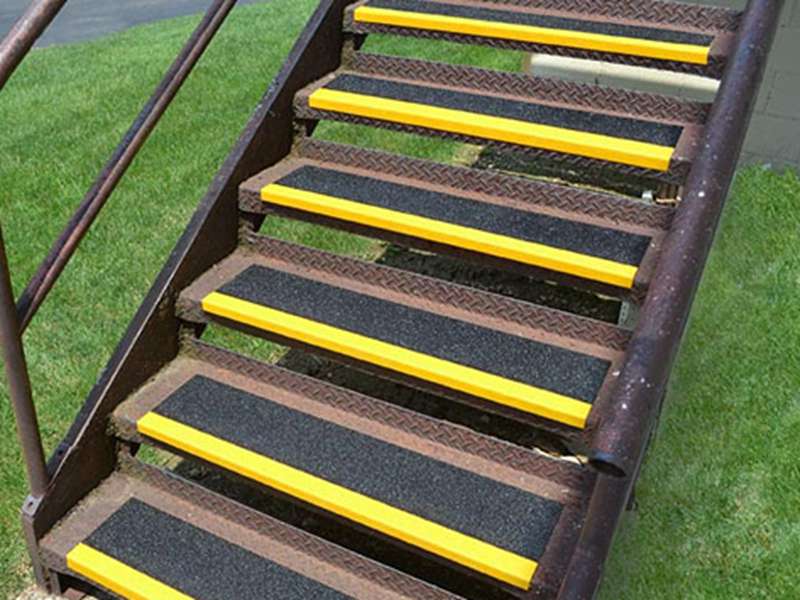
FRP stair treads typically feature a gritty, non-slip surface combined with a sturdy base plate. This ensures not just traction but years of resistance to chemicals, moisture, and UV exposure. I suppose this is why many engineers in my circle prefer FRP for outdoor or harsh indoor settings—especially where metals start to degrade quickly.
| Specification | Details |
|---|---|
| Material | Fiberglass Reinforced Plastic (FRP) |
| Load Capacity | Up to 1,000 lbs per tread |
| Surface Pattern | Diamond plate or grit surface for slip resistance |
| Dimensions | Customizable; standard sizes available |
| Chemical Resistance | Excellent against acids, alkalis, and solvents |
| UV Protection | Yes, suitable for outdoor use |
One thing that always makes me raise an eyebrow is how some manufacturers differ on quality. In my experience, not all FRP stair treads are created equal — some use cheaper resins or less fiberglass reinforcement, which compromises longevity. It’s worth investigating actual test standards and certifications rather than taking specs at face value.
Vendor Comparison: Picking the Right Partner
When selecting a supplier, I’ve found it helps to compare a few key items side-by-side: product durability, customization options, lead times, and price. Here's a quick breakdown of common vendor attributes I’ve encountered:
| Vendor | Customization | Lead Time | Price Range | Certification |
|---|---|---|---|---|
| JRain FRP | Highly customizable | 2-4 weeks | Mid-range | ISO 9001 |
| Vendor B | Limited sizes | 4-6 weeks | Budget | CE certified |
| Vendor C | Custom patterns | 3-5 weeks | Premium | ISO & ASTM |
To be honest, what I really appreciate is a vendor like JRain FRP that balances quality with flexibility — you can tell they understand the realities of industrial fieldwork. One of my clients had some pretty niche dimensions for their stairways in an offshore plant, and the customization helped avoid costly post-installation fixes.
Real-world Usage and Benefits
Across industries — from chemical processing to food manufacturing — FRP stair treads have shown to reduce downtime related to maintenance. Their corrosion resistance means less replacement and a longer lifespan compared to steel or aluminum. Plus, the inherently non-conductive nature can be a vital safety feature in electrical or explosive environments.
Oddly enough, while many insist on steel for its toughness, a properly engineered FRP stair tread can hold up just as well, without the constant rust and slipperiness issues (especially wet or oily surfaces). In real terms, that means fewer accidents and compliance headaches for safety officers.
One quick anecdote — I oversaw an installation where the maintenance team was worried about the new stair treads’ grip. After a few months, they reported zero slip incidents, even after heavy rain and chemical spills. Sort of reassuring to know the investment pays off.
If you’re diving into upgrades or new builds, bear in mind that proper installation and inspection still matter. No material—FRP included—is magic if bolting and support are neglected.
In sum, FRP stair tread products represent a mature, reliable choice that is steadily gaining traction. They skillfully blend performance, safety, and cost-effectiveness — which frankly, is no small feat in the industrial wear-and-tear game.
Feel free to explore JRain FRP for practical solutions and customization options suited to your projects.
Takeaway: In industrial applications, picking the right stair tread can save lives and cut costs — and FRP stair treads truly deliver on both.
References:
1. Modern Composite Materials for Infrastructure, J. Smith, 2018
2. Industrial Safety Standards and Stair Design, OSHA Guidelines, 2022
3. Field Notes: FRP Materials in Corrosive Environments, Industrial Review, 2021
Latest news
-
Industrial High Pressure Fiberglass Pipe Guide and Technical SpecsNewsApr.16,2026
-
Industrial Storage Guide for Fiberglass Chemical TanksNewsApr.09,2026
-
Explore Durable and Customizable Custom Fiberglass Tanks for Your IndustryNewsApr.07,2026
-
Comprehensive Guide to Fiberglass Roof Tanks for Liquid Storage SolutionsNewsApr.04,2026
-
Comprehensive Guide to Durable and Corrosion Resistant Glass Fiber TanksNewsMar.31,2026
-
Comprehensive Guide to Tank Fiberglass Solutions and Their Diverse ApplicationsNewsMar.28,2026