

Efficient and Precise Anchoring, Drilling Rods, and Bits | Global Industry Insights
Understanding Anchoring, Drilling Rods, and Bits for Efficient and Precise Operations
At first glance, anchoring, drilling rods, and bits might sound like just tools or components sitting in a construction yard somewhere. But when you think about it, these elements form the critical beating heart of countless infrastructure projects worldwide — from bridges to water wells, even disaster relief foundations. Their efficiency and precision don’t just save time and money; they literally uphold safety and progress in both industry and humanitarian sectors.
Why does it matter globally? Well, consider that the United Nations estimates over 1 billion people lack access to safe, reliable infrastructure. Tools that improve drilling accuracy and anchoring reliability help address this by ensuring structures don’t fail and resources aren’t wasted. Plus, with global urbanization trends accelerating (over 55% urban population as per the World Bank), the need for better, faster, and safer anchoring and drilling solutions is more pressing than ever.
Mini takeaway: These aren’t just boring parts of the toolkit; they’re key to building a sustainable, safer tomorrow.
The Global Context: Why Precision in Drilling and Anchoring Is a Big Deal
Globally, the demand for efficient, safe anchoring, drilling rods, and bits is tied to growth in infrastructure, mining, and energy exploration. ISO standards, for example, show the increasing push toward uniform quality and safety in these tools. It’s no accident that major projects in regions like Southeast Asia, Africa, and South America prioritize precision drilling to mitigate risks of structural failures.
Yet, challenges exist. Variability in geology means drilling rods and bits must be adaptable yet robust. Anchoring systems must resist environmental stressors like floods or earthquakes — otherwise, bad outcomes follow swiftly and visibly. Frankly, doing this well can be the difference between a job done once and done right vs. costly rebuilds and safety hazards.
What Do We Mean by Anchoring, Drilling Rods, and Bits for Efficient and Precise Use?
Simply put, anchoring, drilling rods, and bits for efficient and precise refer to the specialized hardware used in the drilling process to penetrate earth or rock and secure structures firmly in place. Anchoring forms the foundation or support post, drilling rods connect the surface equipment to the drilling bit, which acts like the cutting edge breaking through soil, rock, or other materials.
These tools ensure that the Drilling process is both effective (efficient in terms of time and material) and precise (accurately placed, consistent penetration). In modern contexts — whether for industrial drilling or humanitarian water well drilling in arid regions — their quality heavily affects project success.
Mini takeaway: Think of these components as the “spine” of any drilling operation, essential for longevity and goal achievement.
Core Components Explained
Durability
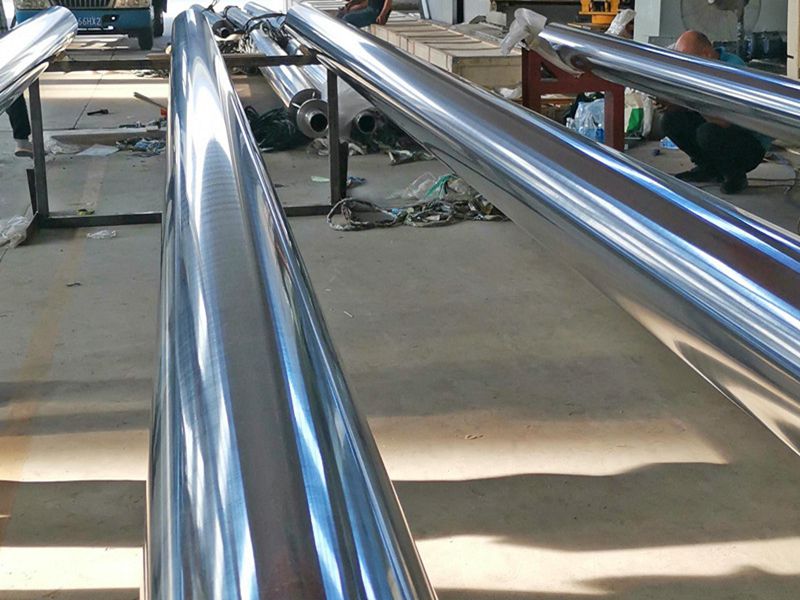
Materials like high-grade steel alloys and advanced coatings combat wear and corrosion. Especially for offshore or mining operations, durability over countless cycles prevents downtime and costly replacements.
Precision Engineering
Drilling rods and bits are manufactured with tight tolerances. This minimizes wobble or misalignment that could lead to inaccurate boreholes or weak anchorage, critical in structural safety.
Modularity and Scalability
Drilling setups often require chaining rods together for various depths. Modular designs help customize each drill string to the project, adapting to changing soil layers or depth requirements.
Cost Efficiency
Improved tool life and reduced failure rates lower overall expenses, even if the initial investment is higher. Sustainable materials also factor in reducing waste.
Ease of Handling and Maintenance
Lightweight alloys and ergonomic designs reduce operator fatigue and speed up assembly/disassembly, boosting productivity on-sites that often run on tight schedules.
Real-World Applications Around the Globe
In South Asia, rapid urban infrastructure projects rely on precise anchoring and drilling to build foundations for skyscrapers and metro rails. African NGOs tap into robust drilling rods and bits to dig boreholes for clean water, critical to public health. In the energy sector, Gulf countries require specialized equipment suited for sandy or rocky conditions in exploration drilling.
Even disaster relief operations employ portable, efficient drilling rigs with high-quality rods and bits — enabling fast, stable foundation setting after earthquakes or floods. And it’s not just about construction; geological surveyors use these precision tools for accurate sampling vital to mining and environmental monitoring.
Product Specification Table
| Component | Material | Length (m) | Diameter (mm) | Weight (kg) | Typical Use |
|---|---|---|---|---|---|
| Drilling Rod | Alloy Steel + Coating | 3.0 | 45 | 12 | Medium-depth drilling |
| Drilling Bit (Tri-cone) | Tungsten Carbide Inserts | N/A | 50 | 8 | Hard rock drilling |
| Anchor Bolt | Galvanized Steel | 1.5 | 20 | 3 | Load-bearing anchoring |
Comparing Industry Vendors: What to Look For
| Vendor | Product Range | Customization Options | Delivery Time | Warranty |
|---|---|---|---|---|
| JRain Industrial | Anchors, Rods, Bits | Full customization | 2-3 weeks | 2 years |
| GeoTech Tools | Standard rods & bits | Limited sizes | 1-2 weeks | 1 year |
| DrillPro Global | Comprehensive, including automation | Configurable sets | 4 weeks | 3 years |
Why Invest in Quality Anchoring, Drilling Rods, and Bits?
Beyond just the specs on paper, quality in these tools translates to real-life advantages:
- Reliability: Less chance of failure on mission-critical projects.
- Safety: Stronger anchors reduce accident risks, saving lives.
- Long-term cost savings: Durability means fewer replacements and repairs.
- Sustainability: Many manufacturers now use eco-friendly coatings and materials.
- Innovation: Integrating digital sensors into some drilling rods helps track wear and optimize operations.
Mini takeaway: This isn’t just buying hardware; it's safeguarding the lifespan and integrity of entire projects.
Looking Ahead: What’s Next for Drilling and Anchoring Technology?
The drilling industry is seeing some fascinating trends. For example, greener manufacturing practices are cutting the carbon footprint of producing rods and bits. Also, automation is creeping in — robotic arms assembling drill strings, or AI-powered bits adjusting drilling speed based on soil feedback.
Materials science is evolving too: new composite rods promise lighter weight without sacrificing strength, and smarter anchors can self-adjust in response to ground movement. Such advancements aim to reduce waste, speed deployment, and increase safety margins.
Facing Challenges & Finding Solutions
Despite progress, issues remain. Extreme environments can degrade equipment faster than expected. Logistics for long delivery times complicate project schedules, especially in remote locations. And cost pressures can tempt procurement toward cheaper, less reliable tools.
Experts recommend investing in modular, maintainable systems, using predictive maintenance tools, and partnering with trusted vendors who understand on-the-ground realities. I suppose there’s a natural trade-off between upfront costs and long-run savings — but the clear trend favors quality and adaptability over quick fixes.
Frequently Asked Questions About Anchoring, Drilling Rods, and Bits
Q1: What makes high-quality drilling rods better than cheaper alternatives?
A1: Premium drilling rods are typically made from superior alloys with special coatings that resist corrosion and wear. This leads to less downtime and fewer replacements, which over time saves significant costs and improves reliability.
Q2: How do I choose the right drilling bit for different soil types?
A2: It depends largely on geology. For soft soils, drag bits work well, while harder rock requires tungsten-carbide or tri-cone bits. Consulting with geotechnical experts and vendors offering customization ensures the best match for your site.
Q3: Can drilling rods and bits be reused across multiple projects?
A3: Yes, but careful inspection and maintenance are vital. Rods and bits wear over time and their performance degrades, so routine checks for cracks or excessive wear prevent failures during reuse.
Q4: Are these tools environmentally sustainable?
A4: Newer manufacturing practices and materials focus on reducing waste and energy use. Eco-friendly coatings and recyclable materials are emerging trends, making modern tools more sustainable than their predecessors.
Wrapping Up: Building Better with Efficient and Precise Components
Anchoring, drilling rods, and bits are much more than just “hardware.” They’re foundational — literally and figuratively — to the success of projects that shape communities and economies across the globe. Their design, durability, and precision reflect a mix of engineering prowess, on-site realities, and long-term vision.
Interested in stepping up your projects with top-tier solutions? Don’t hesitate to explore our offerings — visit https://www.jrain-frp.com for anchoring, drilling rods, and bits for efficient and precise operations that can transform your work.
References:
1. United Nations, Infrastructure and Sustainable Development
2. World Bank, Urban population statistics
3. ISO, International standards for drilling and construction materials
Latest news
-
Industrial High Pressure Fiberglass Pipe Guide and Technical SpecsNewsApr.16,2026
-
Industrial Storage Guide for Fiberglass Chemical TanksNewsApr.09,2026
-
Explore Durable and Customizable Custom Fiberglass Tanks for Your IndustryNewsApr.07,2026
-
Comprehensive Guide to Fiberglass Roof Tanks for Liquid Storage SolutionsNewsApr.04,2026
-
Comprehensive Guide to Durable and Corrosion Resistant Glass Fiber TanksNewsMar.31,2026
-
Comprehensive Guide to Tank Fiberglass Solutions and Their Diverse ApplicationsNewsMar.28,2026