



Expert Insights on FRP Chimney Construction and Installation for Industrial Applications
Understanding FRP Chimney Construction and Installation for Industrial and Commercial Use
In today's industrial landscape, the need for durable, lightweight, and corrosion-resistant structures has never been greater. FRP chimney construction and installation for industrial and applications plays an increasingly vital role in ensuring that exhaust systems withstand harsh chemical environments without downtimes or costly maintenance. But what exactly is behind this growing trend, and why should plant managers, engineers, and procurement teams care? Frankly, grasping the nuances of FRP chimneys can lead to longer-lasting infrastructure, improved environmental compliance, and notable cost savings, not to mention meeting stringent international standards.
Why FRP Chimneys Matter on a Global Scale
The global push toward cleaner emissions and the rapid expansion of industrial zones in Asia, the Middle East, and beyond have prompted an evolution in chimney construction materials and methods. According to the United Nations Climate Change Framework, industries must reduce pollution while optimizing resources. Traditional steel chimneys, known for rust and high upkeep in aggressive environments, no longer suffice.
FRP (Fiber Reinforced Polymer) chimney construction and installation offers a lightweight, corrosion-resistant solution that directly addresses challenges such as acid rain exposure, saltwater atmospheres, and chemical fumes. ISO 14001-certified factories worldwide have adopted FRP for its sustainability credentials and minimal environmental footprint. The problem it tackles? Reducing frequent shutdowns caused by corrosion-induced failures and ensuring continuous operation in industries like chemical processing, power generation, and waste management.
What Is FRP Chimney Construction and Installation?
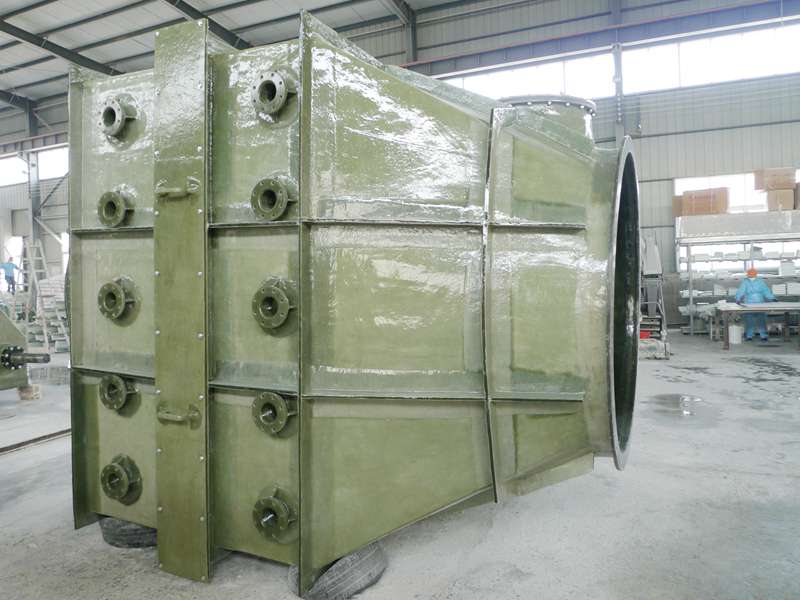
In simplest terms, FRP chimney construction involves fabricating chimneys from composite materials made of a polymer matrix reinforced with glass fibers. This blend delivers high strength-to-weight ratios and unparalleled resistance to corrosion, especially from acidic gases or moisture — key contributors to chimney degradation.
Installation goes beyond mere assembly — it involves precision engineering to adapt the FRP sections to site-specific needs, including height requirements, wind loads, and thermal stresses. Modern industrial setups—from refineries to recycling plants—depend on expert installation to guarantee long-term chimney performance. Oddly enough, this isn't just about plants churning out emissions; it's also a humanitarian matter when you think of post-disaster industrial recovery, where fast, resilient installations get essential infrastructure back online.
Core Components Driving FRP Chimney Success
1. Durability in Harsh Environments
FRP’s composition naturally resists chemicals and moisture — a major boon over traditional steel or concrete where acids can eat away protective coatings. Engineers often point out how this durability translates to decades-long lifespans with minimal maintenance.
2. Lightweight Structure
The comparatively lighter weight means less structural reinforcement is needed, allowing for cost savings in supporting constructions and foundations. Plus, it speeds up transportation and installation times — always a plus when deadlines are tight.
3. Cost Efficiency Over Time
Of course, initial material costs might be higher than standard options. But when factoring in maintenance, downtime, and lifespan, FRP chimneys often come out on top financially.
4. Scalability and Customization
Modular FRP sections can be easily tailored to height, diameter, and resistance specifications. This flexibility suits any industrial setting, whether it’s a small chemical plant or a sprawling power station.
5. Environmental Compliance
Being corrosion-resistant and non-reactive, FRP chimneys help meet increasingly strict environmental emissions standards, supporting corporate sustainability goals.
Mini Takeaway:
These aspects combine to give engineers and plant managers a viable, long-term solution that is both technically and economically sound.
Global Applications: How FRP Chimneys Are Making a Difference
FRP chimneys have become standard in many parts of the world — from the rapidly industrializing regions of Southeast Asia to coastal chemical plants in Europe. A neat example comes from a South Korean steel mill, where the switch to FRP chimneys reduced maintenance shutdowns by almost 50%, improving overall plant efficiency.
In remote industrial zones, especially those subject to salt spray or acidic emissions, FRP’s corrosion resistance means less frequent replacements. Post-disaster scenarios also showcase FRP chimney advantages, allowing quick restoration of industrial functions essential for recovery efforts.
Industries benefiting include:
- Chemical manufacturing
- Waste-to-energy plants
- Petrochemical refineries
- Power generation facilities
- Food processing plants requiring venting solutions
frp chimney construction and installation for industrial and is thus not just a buzz phrase but a practical solution deployed worldwide.
Specifications At a Glance: Typical FRP Chimney Features
| Specification | Typical Values | Notes |
|---|---|---|
| Material Composition | Vinyl ester resin + glass fibers | High corrosion resistance |
| Maximum Height | Up to 60 meters | Modular for taller setups |
| Diameter Range | 500 mm – 3000 mm | Customized per flow requirements |
| Operating Temp | -40°C to 120°C | Suitable for most industrial exhausts |
| Wind Load Resistance | Up to 120 km/h | With proper bracing |
Vendor Comparison: Choosing the Right FRP Chimney Provider
| Feature | Vendor A | Vendor B | Vendor C |
|---|---|---|---|
| Material Quality | Vinyl ester + premium glass fiber | Polyester resin + standard fibers | Vinyl ester + E-glass fiber |
| Lead Time | 4–6 weeks | 6–8 weeks | 5–7 weeks |
| Installation Support | Full onsite & remote assistance | Limited remote support | Onsite engineers available |
| Warranty | 10 years | 5 years | 7 years |
| Price Range | $$$ (Premium) | $$ (Budget) | $$$ (Mid-range) |
The Advantages and Enduring Value of FRP Chimney Solutions
One can’t help but appreciate how FRP chimneys blend technical prowess with real-world pragmatism. For one, the proven reduction in corrosion means fewer unexpected plant shutdowns—a huge relief for managers juggling tight budgets and production targets.
The cost savings accrue not just from fewer repairs but also from lighter foundations and quicker installation. Moreover, a modern FRP chimney feels like a better environmental citizen — the materials are less energy-intensive to produce and inherently recyclable.
On an emotional level, workers and nearby communities gain confidence knowing emissions are safely controlled by state-of-the-art chimneys, improving safety and air quality. Innovation here isn’t just a buzzword — it’s tangible peace of mind.
Looking Forward: Future Trends in FRP Chimney Construction
The future looks bright. Industry insiders anticipate integration with smart sensors for real-time monitoring of structural health and emissions data — a sort of “Internet of Things” meets industrial chimney. These innovations make predictive maintenance a routine instead of a headache.
Also, greener resins derived from bio-based polymers are being developed, reducing reliance on petrochemicals. Combine that with evolving international standards and automation in fabrication, and FRP chimney construction and installation are set for a leap forward.
Challenges and How Industry Leaders Are Overcoming Them
Despite many upsides, challenges remain. For instance, handling temperatures above 120°C requires advanced resin systems, and installation on extremely tall structures demands precise engineering to resist wind-induced vibrations.
Experts recommend careful site assessment combined with modular designs that allow incremental assembly. Research into hybrid composites is also promising, blending carbon fibers with traditional glass reinforcements for even greater performance.
Frequently Asked Questions About FRP Chimney Construction and Installation
- What maintenance does an FRP chimney require?
- Typically minimal maintenance is needed due to corrosion resistance; occasional inspections for physical damage and cleaning of external surfaces suffice to ensure longevity.
- How long does installation usually take?
- Installation timelines vary with height and complexity but modular FRP chimneys can often be erected within a few weeks, much faster than reinforced concrete alternatives.
- Are FRP chimneys environmentally friendly?
- Yes, compared to traditional materials, FRP chimneys consume less energy during manufacture, resist corrosion (reducing waste), and many versions offer recyclability at end-of-life.
- Can FRP chimneys handle industrial flue gases safely?
- Absolutely. The resin and fiber combo is selected to resist chemical attack from typical flue gas components, ensuring longevity and safety in exhaust management.
- Is installation support usually provided by manufacturers?
- Leading vendors provide comprehensive support, including design consultancy, onsite installation help, and training to ensure proper assembly and performance.
Wrapping Up: Why You Should Consider FRP Chimney Solutions
To sum it all up, embracing frp chimney construction and installation for industrial and applications offers a robust, cost-effective, and forward-thinking approach for industries worldwide. Whether you’re upgrading aging infrastructure or building anew, FRP chimneys provide unmatched corrosion resistance, installation flexibility, and environmental compliance.
Curious to learn more or ready to discuss your next project? Visit our website at https://www.jrain-frp.com for expert advice and solutions tailored to your needs.
Final Thoughts
In the end, industries that invest wisely in FRP chimney technology aren’t just saving money — they’re investing in safety, sustainability, and innovation that will last for decades. It’s a smart move that pays off in many unexpected ways…
References
Latest news
-
Industrial High Pressure Fiberglass Pipe Guide and Technical SpecsNewsApr.16,2026
-
Industrial Storage Guide for Fiberglass Chemical TanksNewsApr.09,2026
-
Explore Durable and Customizable Custom Fiberglass Tanks for Your IndustryNewsApr.07,2026
-
Comprehensive Guide to Fiberglass Roof Tanks for Liquid Storage SolutionsNewsApr.04,2026
-
Comprehensive Guide to Durable and Corrosion Resistant Glass Fiber TanksNewsMar.31,2026
-
Comprehensive Guide to Tank Fiberglass Solutions and Their Diverse ApplicationsNewsMar.28,2026