

Fiberglass Clarifier System for Efficient Water Treatment and Solid Waste Management | Sustainable Solutions
The Role of Fiberglass Clarifier Systems in Efficient Water Treatment
Water treatment has always been a cornerstone of modern civilization — clean water isn’t a luxury but a necessity. Recently, fiberglass clarifier systems for efficient water treatment and solid waste separation have gained traction worldwide for their innovative yet practical approach to ensuring water purity. You might wonder why fiberglass? Well, its durability, corrosion resistance, and lightweight nature come into play, especially where traditional steel or concrete tanks might fall short.
Globally, the need to treat increasingly polluted water sources is acute. According to the UN, over two billion people lack access to safely managed drinking water services — so any technology boosting treatment efficiency isn’t just technical; it’s humanitarian. The fiberglass clarifier system tackles both solid and liquid separation with a finesse that serves municipalities, industries, and environmental cleanup efforts alike.
Why Should We Care?
In real terms, upgrading water treatment means fewer contaminants in rivers, less pollution in agriculture, and healthier communities overall. From drought-prone California to bustling industrial hubs in Asia, fiberglass clarifiers promise a blend of longevity and performance that keeps facilities running smoothly without sacrificing environmental integrity.
What Is a Fiberglass Clarifier System?
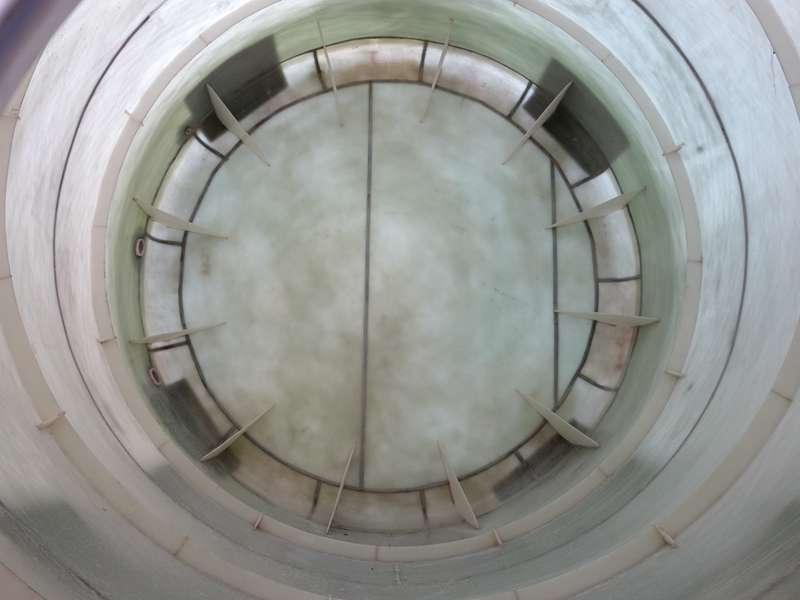
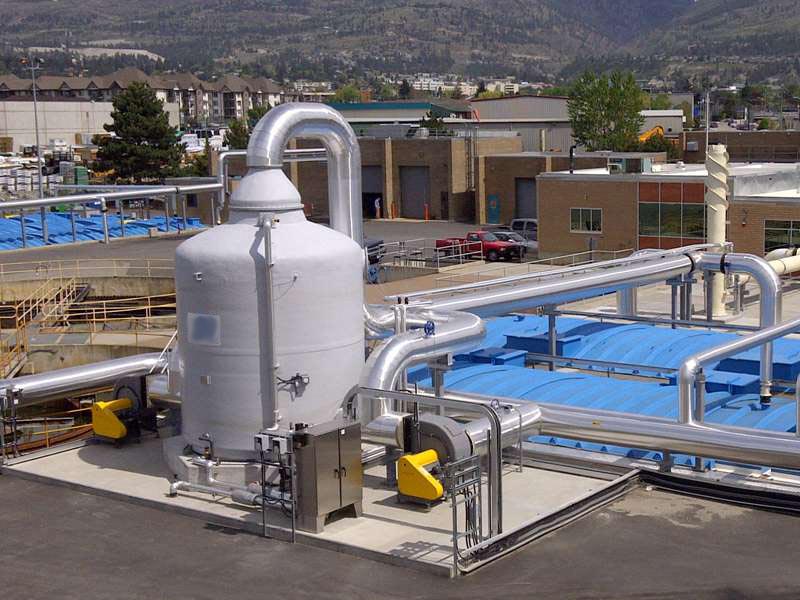
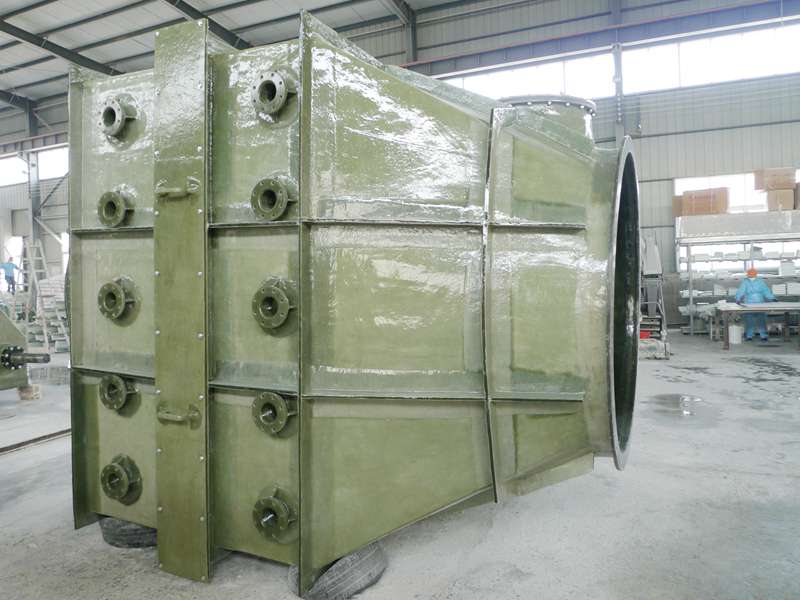
Think of it as a specialized tank system made predominantly from fiberglass-reinforced plastic (FRP), designed to separate solids suspended in wastewater from the cleaned water. It’s a kind of clarifier that’s lighter and more corrosion-resistant than traditional concrete or steel tanks. This design innovation has pushed forward the idea of “efficient water treatment and solid waste removal” because it marries durability with operational efficiency.
Fiberglass clarifier systems are critical in municipal wastewater treatment, industrial effluent management, and even in emergency situations where rapid deployment of water purification is required.[1]
Key Features of Fiberglass Clarifier Systems
1. Durability and Corrosion Resistance
Unlike steel tanks prone to rust or concrete that can crack over time, fiberglass systems shrug off corrosion from harsh chemicals and weather effects. This means fewer repairs and a longer lifespan overall, something plant managers appreciate when budgets are squeezed.
2. Lightweight Construction
Fiberglass is significantly lighter than steel or concrete. This affects shipping and onsite assembly costs substantially. In remote locations or disaster relief situations, this can determine whether a project is feasible at all.
3. Scalability and Modular Design
Systems come in a range of sizes, from small treatment units for rural communities to large industrial clarifiers handling millions of gallons per day. Modular setups mean plants can expand or retrofit without tearing everything down.
4. Cost Efficiency Over Time
The initial cost might seem higher than some alternatives, but fiberglass’ low maintenance and energy-efficient operation tend to offset that quickly. The ability to resist corrosion—the enemy of many steel systems—drives down hidden lifetime costs.
5. Environmental Safety
No heavy metals leach into the water because fiberglass doesn’t degrade chemically in the way metals might. Plus, many FRP systems use resins designed with sustainability in mind.
Global Applications and Real-Life Use Cases
Municipalities in Southeast Asia are rapidly installing fiberglass clarifiers to cope with urban wastewater challenges. In India, where waterborne illnesses remain common, efficient solid-liquid separation directly reduces health risks.
Industrial zones — think chemical plants or food processing centers — use these systems to treat effluent before it reaches waterways. Oddly enough, fiberglass clarifier systems are often preferred in corrosive chemical environments where metal tanks would corrode too fast.
Post-disaster scenarios, like floods or hurricanes, often require quick installation of temporary but reliable water treatment plants. Fiberglass clarifiers, due to their lightweight nature and fast assembly, fit the bill perfectly.[2]
Fiberglass Clarifier System: Product Specifications At a Glance
| Specification | Details |
|---|---|
| Material | Fiberglass Reinforced Plastic (FRP) |
| Diameter Range | 3m to 12m (custom sizes available) |
| Operating Temperature | -10°C to 60°C |
| Lifespan | 20-30 years (with proper maintenance) |
| Corrosion Resistance | Excellent against acids, alkalis, and salts |
| Installation Time | Typically 2-4 weeks (varies by size) |
Comparing Top Vendors of Fiberglass Clarifier Systems
| Vendor | Key Features | Typical Lead Time | Price Range |
|---|---|---|---|
| Jrain FRP Systems | Customization, fast assembly, strict ISO-certified quality | 3-4 weeks | $$$ |
| AquaClear Tech | Wide diameter options, modular components | 4-6 weeks | $$ |
| ClearFlow Dynamics | High corrosion resistance, engineered for chemical plants | 5-7 weeks | $$$$ |
Why Choose Fiberglass Clarifier Systems? The Long-Term Advantages
Trust me, many engineers I’ve met swear by fiberglass clarifiers when reliability counts. The low maintenance requirements free up valuable manpower. And for communities, that means dependable access to cleaner water, often with fewer system downtimes.
On the environmental side, these systems support sustainability goals by being less energy-intensive to install and operate — while avoiding chemical leaching common in older materials.
Plus, people feel a subtle but real peace of mind knowing their water isn’t sitting in rusty metal tanks that might eventually degrade — safety combined with dignity if you think about it from a social perspective.
The Future: Innovations in Fiberglass Clarifier Technology
Here’s where things get exciting. The push towards green energy means future fiberglass clarifiers will likely include solar-powered mixers or IoT sensors that monitor water quality in real-time, feeding data back to control centers for quicker adjustments.
Beyond that, the development of bio-based resins could reduce the environmental footprint of manufacturing these tanks, aligning with global carbon reduction targets.[3] Automation and modular, plug-and-play designs will make the tech accessible in even the most remote regions.
Addressing Common Challenges
Granted, fiberglass clarifier systems aren’t a one-size-fits-all magic bullet. The upfront costs can be a hurdle for smaller municipalities without subsidies. Also, the installation process, while quicker than concrete, still demands skilled labor.
Fortunately, leading providers offer comprehensive training and modular units that reduce on-site construction headaches. Long-term warranties and maintenance packages help alleviate financial concerns, too.
FAQ: Answers You’re Probably Looking For
1. How does a fiberglass clarifier compare to traditional steel clarifiers in lifespan?
Fiberglass clarifiers typically last 20-30 years, often outpacing steel tanks that suffer corrosion unless heavily maintained. The reduced maintenance means less downtime and cost.
2. Can fiberglass clarifiers handle high volumes of industrial wastewater?
Yes, they’re scalable from smaller plants to large industrial zones, with diameters up to 12 meters or more. Their corrosion resistance is a big plus for chemical-heavy wastewaters.
3. Are these systems environmentally safe?
Absolutely. Fiberglass doesn’t leach harmful metals and the use of advanced, durable resins lessens the need for frequent replacements and waste.
4. How quickly can a fiberglass clarifier system be installed?
Depending on size and site conditions, installation usually takes 2-4 weeks — faster than conventional concrete clarifiers, often critical in emergency contexts.
Wrapping Up: Why Fiberglass Clarifier Systems Matter Now More Than Ever
In sum, fiberglass clarifier systems for efficient water treatment and solid waste management offer a blend of resilience, adaptability, and sustainability. They solve real-world challenges from urban wastewater backlogs to disaster-relief water safety. If you want to explore the latest in fiberglass clarifier solutions or get tailored expert advice, fiberglass clarifier system for efficient water treatment and solid ... has you covered. It’s one of those smart green investments where technology meets a fundamental human need: clean water.
At the end of the day, water treatment isn’t just about pipes and tanks; it’s about communities thriving and ecosystems preserved. Fiberglass clarifiers play a quiet but crucial role in that mission.
References
Latest news
-
Industrial High Pressure Fiberglass Pipe Guide and Technical SpecsNewsApr.16,2026
-
Industrial Storage Guide for Fiberglass Chemical TanksNewsApr.09,2026
-
Explore Durable and Customizable Custom Fiberglass Tanks for Your IndustryNewsApr.07,2026
-
Comprehensive Guide to Fiberglass Roof Tanks for Liquid Storage SolutionsNewsApr.04,2026
-
Comprehensive Guide to Durable and Corrosion Resistant Glass Fiber TanksNewsMar.31,2026
-
Comprehensive Guide to Tank Fiberglass Solutions and Their Diverse ApplicationsNewsMar.28,2026