

Fiberglass Clarifier Systems for Efficient Water Treatment & Solids Management | Jrain FRP
Understanding Fiberglass Clarifier Systems for Efficient Water Treatment and Solid Management
Water is life—yet treating it efficiently remains one of the planet’s most urgent challenges. In fact, according to the UN, over 2 billion people live without safely managed drinking water services. Amid rising pollution, industrial waste, and urban growth, technologies that optimize water treatment are more critical than ever. Enter the fiberglass clarifier system for efficient water treatment and solid handling.
But what exactly are these systems? Why should industries and communities worldwide care? And how do they fit into the broader puzzle of sustainability and public health? Let’s break it down.
The Global Context: Why Fiberglass Clarifier Systems Matter Today
Worldwide, water treatment plants face mounting pressure to deliver cleaner water faster, while managing solid waste effectively. The World Bank estimates that water demand will outstrip supply by 40% globally by 2030, largely due to urbanization and industrial expansion.
Traditional metal or concrete clarifiers, while dependable, often suffer from corrosion issues, maintenance headaches, and installation delays. Fiberglass clarifier systems offer a lightweight, corrosion-resistant alternative that can speed up deployment—especially vital in regions lacking infrastructure or post-disaster scenarios. The ripple effect? Cleaner rivers, safer drinking water, and less sludge accumulating in landfills.
What Is a Fiberglass Clarifier System?
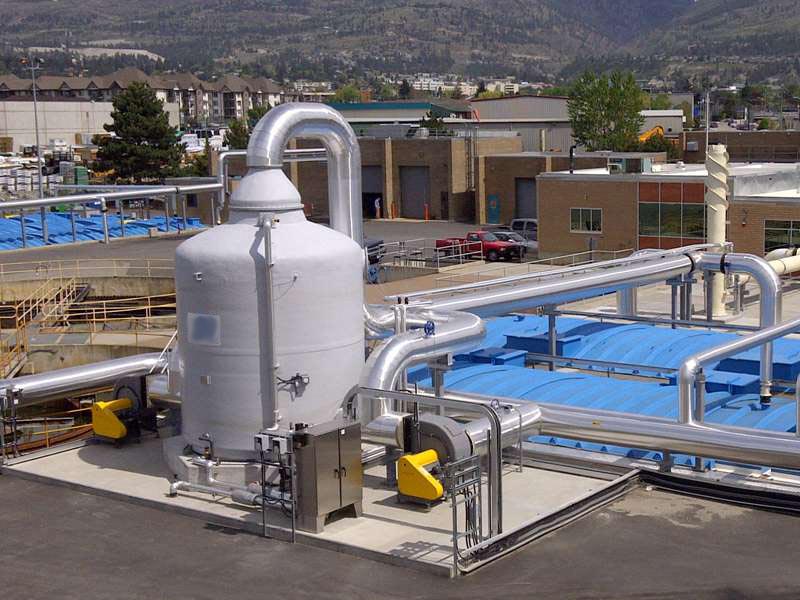
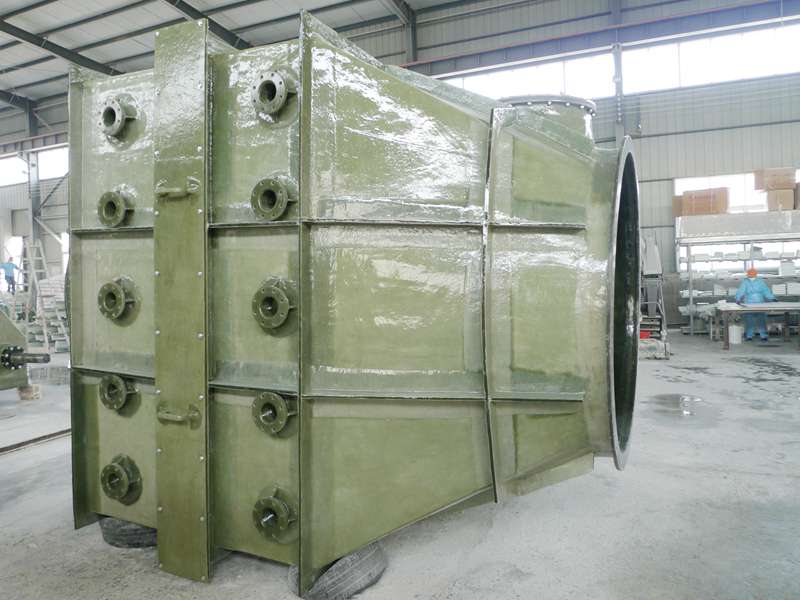
At its core, a fiberglass clarifier system is a water treatment component designed to separate suspended solids from wastewater or other fluid streams. Made primarily from reinforced fiberglass, these systems improve sedimentation and sludge removal efficiency.
Think of it as the unsung hero in modern water plants, providing resilience where steel might rust away or concrete tanks might crack. Owing to its composite structure, fiberglass doesn’t just hold up against aggressive chemicals but does it while being relatively lightweight. This means easier installation and less foundation work needed.
These systems aren’t just for big municipal plants either; they’re crucial for industries like mining, food processing, pharmaceutical manufacturing, and even disaster relief efforts where rapid water clarification is needed to avoid secondary contamination sources.
Key Components and Factors Behind Effective Fiberglass Clarifier Systems
Durability and Corrosion Resistance
Fiberglass clarifiers are renowned for resisting rust and degrading acids far better than typical metal systems. This translates to lower maintenance downtime and longer service life—both attractive for operators unsatisfied with constant repairs.
Lightweight and Modular Design
One advantage many engineers praise is the relatively light structure. This makes for faster and less costly transport and installation, particularly important when rapid deployment comes into play — like in remote industrial sites or emergency situations.
Scalability and Customization
Fiberglass clarifiers can be manufactured in various sizes and configurations. Whether it’s a small food processing plant requiring a clarifier of a few thousand liters per hour, or a large municipal plant handling millions, they're adaptable.
Cost Efficiency Over Time
Upfront costs might be slightly higher than simple concrete tanks, but when you factor in installation speed, decreased maintenance, and extended lifespan, fiberglass systems often come out ahead in the long run.
Environmental & Chemical Compatibility
Produced to handle harsh industrial effluents, they are compatible with a wide range of chemicals without deteriorating, ensuring uninterrupted treatment even in challenging waste streams.
Ease of Maintenance
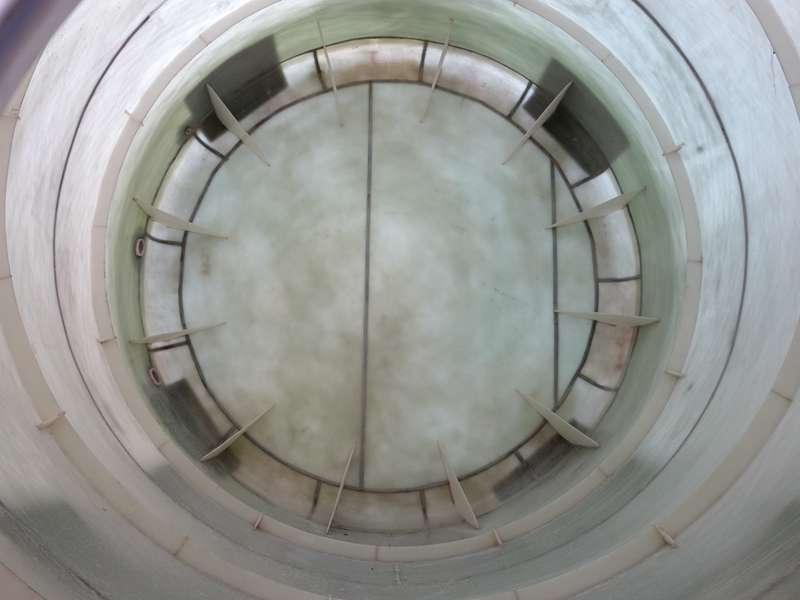
With smooth internal surfaces and non-porous structure, fiberglass clarifiers prevent sludge buildup and microbial corrosion. Maintenance crews report much easier cleaning compared to older systems.
Real-World Applications Around the Globe
From dense urban centers in Europe to sprawling mining operations in Australia, fiberglass clarifier systems have found homes across industries and continents.
- Post-disaster relief: In areas struck by floods, rapid water treatment is essential to avoid disease outbreaks. Fiberglass clarifiers' quick setup helps NGOs supply potable water efficiently.
- Industrial zones: Food and beverage plants often deal with organic-rich wastewater; fiberglass systems offer corrosion resistance unmatched by steel.
- Municipal wastewater treatment: Cities embracing sustainable infrastructure replacement have adopted fiberglass clarifiers for retrofit projects to minimize downtime.
- Mining operations: Managing slurry and solid wastes efficiently is crucial. Fiberglass clarifiers serve as vital tools to separate solids and recycle water on-site.
Product Specification Table
| Specification | Typical Range | Notes |
|---|---|---|
| Material | FRP (Fiberglass Reinforced Plastic) | Resistant to corrosion and chemicals |
| Capacity | 10 m³/hr to 5000 m³/hr | Customizable based on project |
| Tank Diameter | 2 m - 15 m | Modular sections available |
| Weight | 600 - 2500 kg (approx.) | Depends on size and thickness |
| Service Life | 20-30 years | With routine maintenance |
Comparing Popular Fiber Clarifier Vendors
| Vendor | Customization | Delivery Lead Time | Warranty | Certifications |
|---|---|---|---|---|
| Jrain FRP Systems | High (custom sizes and fittings) | 4-6 weeks | 5-year structural | ISO 9001:2015 |
| ClearPath Water Tech | Moderate (standard models) | 6-8 weeks | 3-year full | EPA compliant |
| AquaFib Systems | Limited (few fixed sizes) | 5-7 weeks | 2-year structural | CE Certified |
Advantages and Long-Term Value
When you match durability with quick installation and chemical compatibility, fiberglass clarifiers save money and time over decades. This matters because it reduces operational disruptions and environmental risks—less downtime means fewer untreated water releases, fewer regulatory fines, and a cleaner legacy.
On an emotional level, using well-engineered systems demonstrates a commitment to safety, dignity, and innovation. I’ve talked to operators who say it feels good knowing their clarifier won’t suddenly corrode and pollute neighborhoods.
Emerging Innovations and Trends to Watch
The future of fiberglass clarifier systems is quite fascinating. Engineers are exploring integrating digital sensors for real-time sludge buildup monitoring, reducing manual inspections. Also, green resin formulations aim to reduce carbon footprints of manufacturing these tanks.
Automation paired with data analytics may soon optimize the whole water clarifying process, adjusting flows based on predictive models for variable contaminant loads. These shifts will empower operators to make smarter, faster decisions.
Common Challenges and Leading Solutions
Of course, fiberglass systems aren’t magic. Some challenges include sensitivity to UV degradation if not properly protected and initial cost perception compared to traditional concrete.
Experts recommend UV-resistant coatings and stress the value of lifecycle cost analysis during procurement to overcome hesitation. Also, advances in molding technology help scale production, lowering prices over time.
Frequently Asked Questions About Fiberglass Clarifier Systems
- How does a fiberglass clarifier system compare to traditional steel or concrete clarifiers?
- Fiberglass clarifiers boast superior corrosion resistance and lighter weight, making them easier to install and maintain. While upfront costs may be slightly higher, their long-term durability often delivers better value.
- Can fiberglass clarifier systems handle highly contaminated or acidic wastewater?
- Yes. The reinforced plastic materials used resist many harsh chemicals, acids, and corrosive compounds common in industrial effluents without structural degradation.
- What is the typical lifespan of a fiberglass clarifier system?
- With proper maintenance, these systems can last between 20 to 30 years, which rivals or exceeds many metal-based clarifiers.
- Are these systems suitable for remote or emergency deployments?
- Absolutely. Their modular and lightweight design allows rapid transport and setup, making them ideal for disaster relief or remote industrial uses.
- How customizable are fiberglass clarifiers?
- Quite customizable. Vendors can tailor size, shape, and fittings to specific site and process requirements, accommodating a broad range of capacities and workflows.
Wrapping It Up: Why Fiberglass Clarifier Systems Deserve Your Attention
When efficiency, resilience, and adaptability matter in water treatment and solid waste management, fiberglass clarifier systems stand out as a smart choice. They address increasing global needs with less hassle and more longevity, making them an investment not just in equipment, but in healthier communities and ecosystems.
Curious to explore specific models or real-world case studies? Visit fiberglass clarifier system for efficient water treatment and solid to see what the industry leaders like Jrain FRP bring to the table.
References
Latest news
-
Industrial High Pressure Fiberglass Pipe Guide and Technical SpecsNewsApr.16,2026
-
Industrial Storage Guide for Fiberglass Chemical TanksNewsApr.09,2026
-
Explore Durable and Customizable Custom Fiberglass Tanks for Your IndustryNewsApr.07,2026
-
Comprehensive Guide to Fiberglass Roof Tanks for Liquid Storage SolutionsNewsApr.04,2026
-
Comprehensive Guide to Durable and Corrosion Resistant Glass Fiber TanksNewsMar.31,2026
-
Comprehensive Guide to Tank Fiberglass Solutions and Their Diverse ApplicationsNewsMar.28,2026