

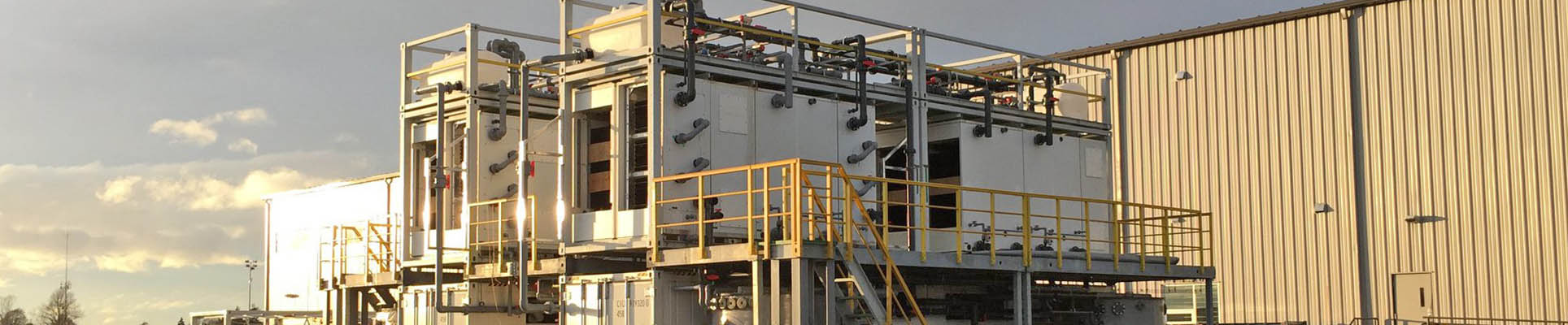

Fiberglass Food Grade Equipment: Features & Global Advantages Explained
Getting Acquainted with Fiberglass Food Grade Equipment: A Closer Look at Its Features and Benefits
When you first hear fiberglass food grade equipment a closer look at its features and, it might sound like just a mouthful of technical jargon. But behind this phrase lies a crucial component in the world of food processing and storage — equipment that’s safe, durable, and efficient. Globally, as food safety standards tighten and sustainability becomes a must, understanding why fiberglass-based equipment is increasingly favored is more than just industry talk — it impacts public health, environmental footprints, and operational costs.
So what makes this lightweight composite so compelling for food-grade applications? Hold that thought — we’ll dive into the nitty-gritty shortly.
The Global Context: Why Does Fiberglass Food Grade Equipment Matter Now?
Worldwide, the food and beverage processing sector is booming — predicted to reach nearly $8 trillion by 2030 (World Bank, 2023). With that growth comes demand for equipment that meets rigorous hygiene standards set by organizations like ISO and the FDA. Traditional stainless steel often leads the way, but fiberglass food grade equipment is catching up because it’s corrosion-resistant, non-reactive, and, frankly, easier on budgets in many cases.
In developing nations and fast-growing food markets, affordable yet safe processing gear is vital. According to the UN’s Food and Agriculture Organization (FAO), about 14% of the world’s food is lost post-harvest due to spoilage, often linked to inadequate storage or processing equipment. Here, fiberglass equipment — resistant to moisture, microbial growth, and easy to clean — offers a promising solution.
Yet, adoption isn’t without challenges: some still doubt durability, while others need assurance about regulatory compliance. Understanding its features helps break down those barriers.
What Exactly Is Fiberglass Food Grade Equipment?
Put simply, fiberglass food grade equipment consists of food-safe composites made primarily from glass fibers embedded in resin matrices. These materials comply with strict regulatory standards (like FDA 21 CFR or EU regulations) ensuring they won’t contaminate food products during contact or processing.
It’s somewhat like the tough but lightweight armor your favorite athlete might wear — tough enough to endure production line hustle without corroding or leaching chemicals. In modern industry, this means manufacturers can rely on equipment that balances safety, hygiene, and operational flexibility.
Besides industrial food factories, humanitarian organizations often seek such materials for mobile kitchens and clean water tanks due to the ease of transport, installation, and cleaning.
Key Features at a Glance
- Excellent resistance to acids, alkalis, and temperature swings
- Lightweight, yet structurally strong
- Non-porous surface minimizing microbial growth
- Customizable shapes and sizes due to moldability
Core Aspects of Fiberglass Food Grade Equipment
Durability
Unlike metals prone to rust or plastic that may warp, fiberglass’s composite nature yields impressive longevity under stressful conditions. Roughly, engineers note operating lifespans of 15+ years in food plants.
Corrosion and Chemical Resistance
Whether it’s acidic fruit juices or detergents for washing, fiberglass resists corrosive agents well — a major advantage over stainless steel alloys vulnerable to chlorine attack.
Cost Efficiency
Let’s be honest — initial cost vs long-term savings often governs equipment choices. Fiberglass tends to be less expensive to manufacture and maintain, cutting downtime and repair expenses.
Hygiene and Safety
Its non-porous surfaces deny bacteria places to hide — cleaning protocols become easier, reducing contamination risks.
Design Flexibility
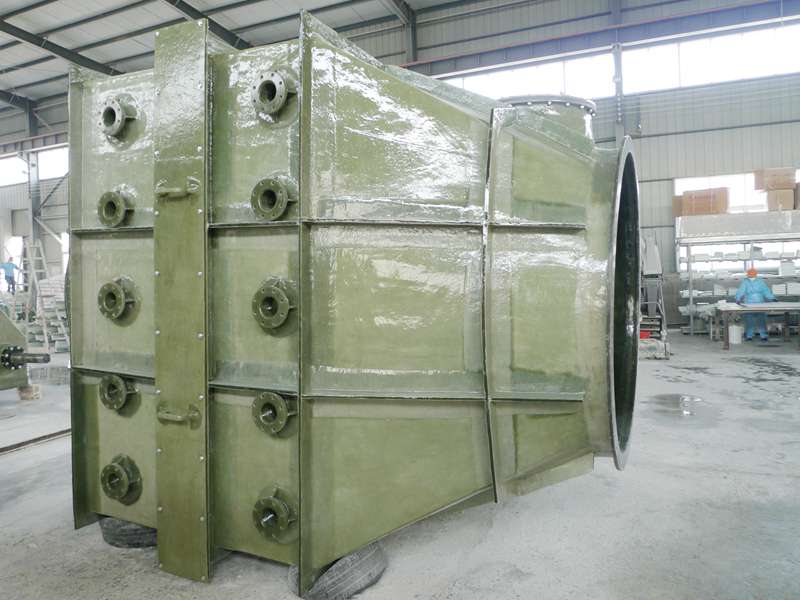
Fiberglass can be molded into complex shapes for custom equipment — think tanks, hoppers, or ducts tailored exactly to a process requirement. This avoids “fitting square pegs in round holes.”
Lightweight and Easy Installation
Compared to their steel counterparts, fiberglass units weigh less, easing transportation and installation — a practical plus in remote sites or fast-paced production changes.
Mini Takeaway:
When you combine durability, hygiene, and cost-effectiveness, fiberglass food grade equipment becomes an enticing option for facilities looking to optimize both budget and safety.
Where Is This Equipment Used Globally?
Fiberglass food grade equipment finds strongholds in places like South Asia’s burgeoning dairy industries, North America’s juice processing plants, and Europe’s pharmaceutical food sectors. For example:
- Post-disaster relief: Mobile kitchens equipped with fiberglass tanks and containers serve safely purified water and meals where hygiene is paramount but infrastructure is fragile.
- Remote processing units: In rural Africa, solar-powered fruit drying units paired with fiberglass trays resist mold and contamination.
- Industrial food plants: In Europe, several organic producers switched to fiberglass hoppers to avoid metal contamination and ease cleaning.
These examples show how global industries and humanitarian efforts use this technology to maintain safety, efficiency, and sustainability.
Advantages and Long-Term Value
Beyond upfront savings, the emotional peace of mind knowing your food-grade equipment won’t compromise safety ranks high. For operators, consistent reliability reduces costly shutdowns. From an environmental view, fiberglass’s longevity means less frequent replacements and waste.
Trust and innovation blend here — many manufacturers report greater confidence delivering high-quality products. And for consumers, it means food with less chemical risk, adhering to the dignity of safe consumption.
| Parameter | Typical Value | Remarks |
|---|---|---|
| Material Composition | Glass fibers + FDA-approved resin | Meets food safety norms |
| Temperature Range | -40°C to +120°C | Suitable for various processing steps |
| Tensile Strength | ~400 MPa | Comparable to metals for many uses |
| Weight | ~1/4 of steel equivalent | Facilitates transport/installation |
| Corrosion Resistance | Excellent against acids/bases | Extends equipment life |
Emerging Trends and Innovations
Innovation rarely sleeps. In the world of fiberglass food grade equipment, we’re seeing exciting moves towards incorporating bio-based resins to reduce carbon footprints, along with embedded sensors for real-time sanitation monitoring (the so-called “smart” equipment). Digital traceability systems integrating with IoT enable quicker responses to contamination risks. Some manufacturers experiment with ultraviolet (UV) resistant coatings to further extend outdoor usability.
Automation is also nudging into equipment design — modular units that can snap together, scaling production lines up or down easily to meet demand fluctuations. It feels like these advancements will make fiberglass equipment a cornerstone of next-gen food safety.
Common Challenges and Solutions
Nothing’s perfect. While fiberglass is robust, improper manufacturing can lead to fiber shedding, which defeats food safety purposes. Also, some users worry about long-term UV degradation outside controlled environments.
Luckily, the industry’s responded — better quality control, superior resin formulas, and advanced surface treatments now minimize these risks. Certified testing per ISO 22000 and ISO 9001 assures compliance and consumer trust.
Additionally, training plant operators on cleaning standards with fiberglass ensures equipment longevity and hygiene maintenance.
Practical FAQs About Fiberglass Food Grade Equipment
Q1: Is fiberglass food grade equipment safe for acidic foods like citrus juices?
A: Yes. Fiberglass composites used in food grade equipment are designed to resist acids and alkaline substances, including citrus juices. They don’t react chemically or degrade, ensuring the product’s integrity.
Q2: How does fiberglass equipment compare to stainless steel in maintenance?
A: Fiberglass is generally easier to maintain due to its non-porous surfaces resisting bacterial build-up and corrosion. While stainless steel requires polishing and corrosion checks, fiberglass mainly needs regular cleaning without rust worries.
Q3: Can fiberglass equipment be customized for unique processing needs?
A: Absolutely. The composite’s moldability allows manufacturers to create tanks, mixers, hoppers, and more in shapes and sizes tailored precisely to operational requirements.
Q4: How long does fiberglass food grade equipment typically last?
A: With proper care, these components last 15 years or more — comparable or sometimes superior to alternatives when factoring corrosion resistance.
Q5: Are there eco-friendly options within fiberglass food grade solutions?
A: Yes, some suppliers increasingly offer bio-resin-based composites alongside recyclable fiberglass mats, aligning with sustainable manufacturing trends.
| Vendor | Experience (Years) | Customization Level | Compliance Certifications | Eco-Friendly Options |
|---|---|---|---|---|
| Jrain Composite | 20+ | High (Custom molds & designs) | FDA, ISO 22000, ISO 9001 | Yes |
| FiberSafe Equipments | 15 | Medium (Standard models) | FDA, CE | Limited |
| GreenFiber Solutions | 10 | High (Eco-focused design) | ISO 14001, FDA | Yes |
Conclusion: Why Fiberglass Food Grade Equipment Might Be Your Next Smart Investment
Covering all bases, from durability and safety to eco-friendliness, fiberglass food grade equipment a closer look at its features and reveals a material that is genuinely versatile and forward-looking. It suits modern food processing demands and humanitarian needs alike, helping reduce contamination risk while cutting costs and waste.
If you’re curious to explore how these composites could transform your operations or humanitarian projects, I highly recommend visiting fiberglass food grade equipment a closer look at its features and for a detailed dive into products and innovations.
Because when it comes to food safety and sustainability, every little advantage counts — and today, fiberglass is proving to have plenty.
Mini Summary
- Fiberglass food grade equipment blends strength, hygiene, and flexibility.
- It addresses global challenges in food safety and sustainability.
- Customization and innovation are key future trends here.
- A great option for industrial, humanitarian, and emerging market contexts.
References
Latest news
-
Industrial High Pressure Fiberglass Pipe Guide and Technical SpecsNewsApr.16,2026
-
Industrial Storage Guide for Fiberglass Chemical TanksNewsApr.09,2026
-
Explore Durable and Customizable Custom Fiberglass Tanks for Your IndustryNewsApr.07,2026
-
Comprehensive Guide to Fiberglass Roof Tanks for Liquid Storage SolutionsNewsApr.04,2026
-
Comprehensive Guide to Durable and Corrosion Resistant Glass Fiber TanksNewsMar.31,2026
-
Comprehensive Guide to Tank Fiberglass Solutions and Their Diverse ApplicationsNewsMar.28,2026