

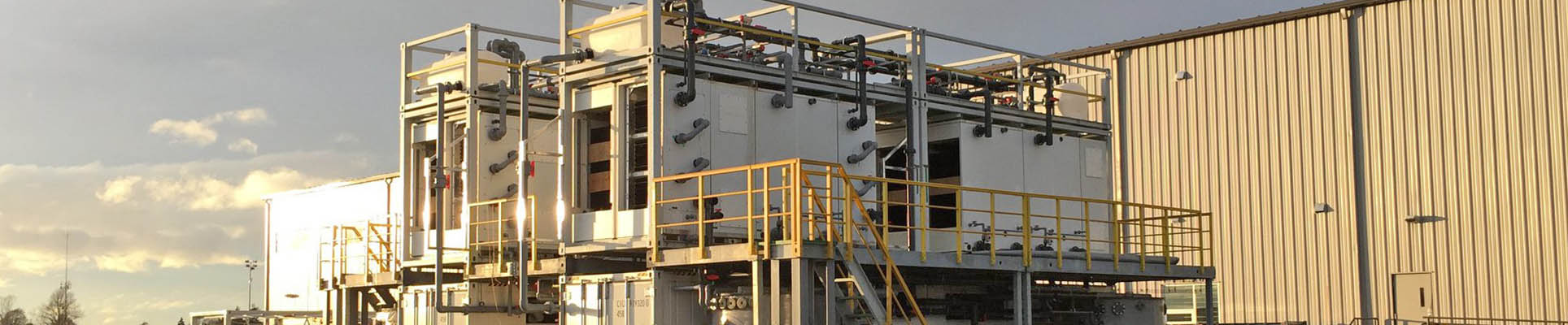

Fiberglass Pipe Solutions: Durable, Lightweight, Corrosion-Resistant
Fiberglass Pipe: Durable Solutions for Modern Industry
Having worked in the industrial equipment sector for well over a decade, I can tell you fiberglass pipe has quietly become a staple whenever corrosion resistance and longevity are top priorities. Fiberglass pipe might not grab headlines like steel or ductile iron, but it’s a real workhorse behind the scenes in chemical plants, wastewater treatment, and even offshore rigs.
Oddly enough, when I first encountered fiberglass piping, I was skeptical. It just seemed too light, too “plasticky” to stand up to the often brutal conditions we face. But then I saw it in action: resistant to chemicals, immune to rust, yet with plenty of strength and flexibility. Over the years, it’s proved its worth in environments where metal pipes corrode and fail far too frequently.
Manufacturers usually build fiberglass pipe using layers of glass fibers embedded in a resin matrix—often vinyl ester or polyester—which gives the pipe a kind of hybrid strength. The design marries tensile strength with a pretty remarkable resistance to abrasion and chemical attack. In real terms, that translates to longer service life and lower maintenance costs, which frankly gets the nod from most engineers I work with.
Here’s a quick rundown of typical fiberglass pipe specifications that highlight their practical benefits:
| Specification | Details |
|---|---|
| Material | Glass fibers + Polymeric resin (Vinyl Ester, Polyester) |
| Diameter Range | 2” to 120” (custom sizes available) |
| Pressure Ratings | Up to 500 PSI |
| Temperature Range | -40°F to 250°F (depends on resin type) |
| Corrosion Resistance | Excellent, especially against acids, alkalis, and salts |
What really seals the deal for many users is the customization potential. You can get fiberglass pipes tailored in thickness, reinforcement pattern, and resin type, matching the pipe specs perfectly with your unique application's demands. I remember one project at a Midwest chemical plant where we had to replace corroded steel piping near aggressive acids. The fiberglass alternative they chose outperformed all expectations, with no leak issues and zero corrosion after two years.
Of course, not all fiberglass pipe vendors deliver the same quality, which always makes selecting a supplier a bit of a balancing act. It’s a mix of price, lead time, certifications, and sometimes the little extras like technical support during installation. To help clarify what to look for, here’s a simple vendor comparison based on my experience:
| Vendor | Lead Time | Customization Options | Certifications | Pricing |
|---|---|---|---|---|
| JRAIN FRP | 2-4 Weeks | Extensive (resin, fiber, size) | ISO 9001, ASTM compliant | Competitive |
| Fiberglass Inc. | 4-6 Weeks | Moderate | ASTM compliant | Mid-Range |
| Pipe Solutions Co. | 1-3 Weeks | Limited | ISO 9001 | Higher |
Now, frankly, if you’re diving into a project that demands dependable corrosion resistance and somewhat tailor-made solutions, fiberglass pipe from a well-established partner like JRAIN FRP is often the safest bet I’ve seen in the field. Their certifications and reputation mean you sleep easier at night, knowing the infrastructure won’t buckle under chemical attack.
While steel remains king in some heavy-duty applications, fiberglass pipe's growing presence signals a shift in what modern industry values: resilience, adaptability, and ultimately cost-effectiveness. If you haven't looked closely at fiberglass yet, it might be time to give it a second glance — I find it rarely disappoints.
Reflecting on my years, it’s the small wins — like saving a plant from premature pipe replacement — that remind me why materials like fiberglass remain so important. In this world of industrial equipment, sometimes innovation is quietly woven into the fibers, literally.
References:
1. ASTM Standards for FRP Pipe
2. JRAIN FRP Product Catalog
3. Journal of Industrial Materials, 2021
Latest news
-
Industrial High Pressure Fiberglass Pipe Guide and Technical SpecsNewsApr.16,2026
-
Industrial Storage Guide for Fiberglass Chemical TanksNewsApr.09,2026
-
Explore Durable and Customizable Custom Fiberglass Tanks for Your IndustryNewsApr.07,2026
-
Comprehensive Guide to Fiberglass Roof Tanks for Liquid Storage SolutionsNewsApr.04,2026
-
Comprehensive Guide to Durable and Corrosion Resistant Glass Fiber TanksNewsMar.31,2026
-
Comprehensive Guide to Tank Fiberglass Solutions and Their Diverse ApplicationsNewsMar.28,2026