



Durable Alternatives to Fiberglass Sewer Pipes | Quality Solutions
Exploring Fiberglass Sewer Pipe Alternatives
When it comes to sewer systems, the choice of materials is crucial for ensuring durability, reliability, and cost-effectiveness. Traditionally, materials like PVC and cast iron have dominated the market, but fiberglass sewer pipes have emerged as a compelling alternative.
Fiberglass, or fiberglass-reinforced plastic (FRP), is composed of a matrix of resin reinforced with glass fibers. This composite structure offers several unique benefits, making it suitable for various sewer applications. One of the standout features of fiberglass sewer pipes is their resistance to corrosion. Unlike metal pipes, which can corrode over time when exposed to wastewater and the elements, fiberglass pipes maintain their integrity, thereby extending their lifespan. This resistance also means less maintenance is required, which translates into cost savings for municipalities and businesses.
Another advantage of fiberglass sewer pipes is their lightweight nature. Compared to traditional materials, fiberglass is significantly lighter, making transportation and installation much easier and faster. This characteristic can be especially beneficial in urban environments where space constraints often complicate sewer replacement projects. Moreover, the flexibility of fiberglass allows it to adapt to ground movements without cracking, providing an added layer of safety in areas prone to subsidence or seismic activity.
While the initial cost of fiberglass sewer pipes can be higher than that of conventional materials, the long-term savings can justify the investment. The extended lifespan and reduced maintenance requirements can lead to lower overall costs over the years. Additionally, the installation process can be quicker, often resulting in lower labor costs.
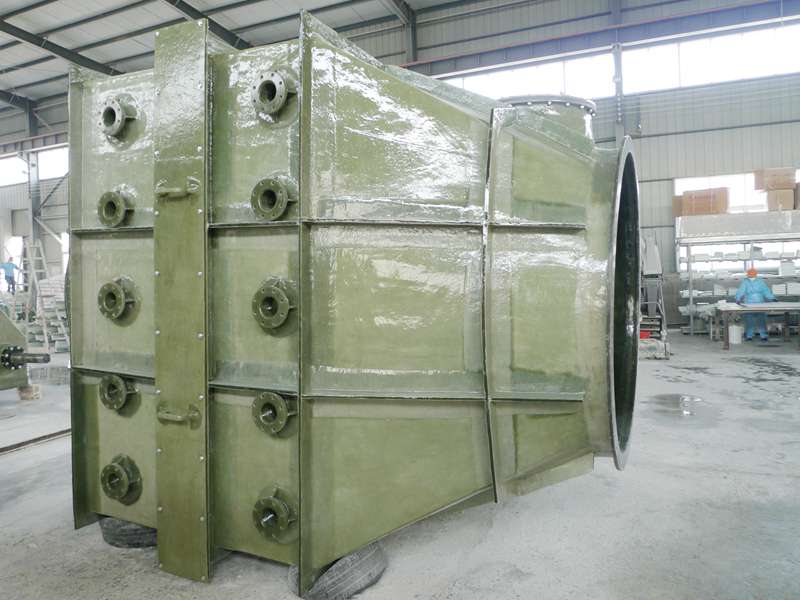
fiberglass sewer pipe alternative.
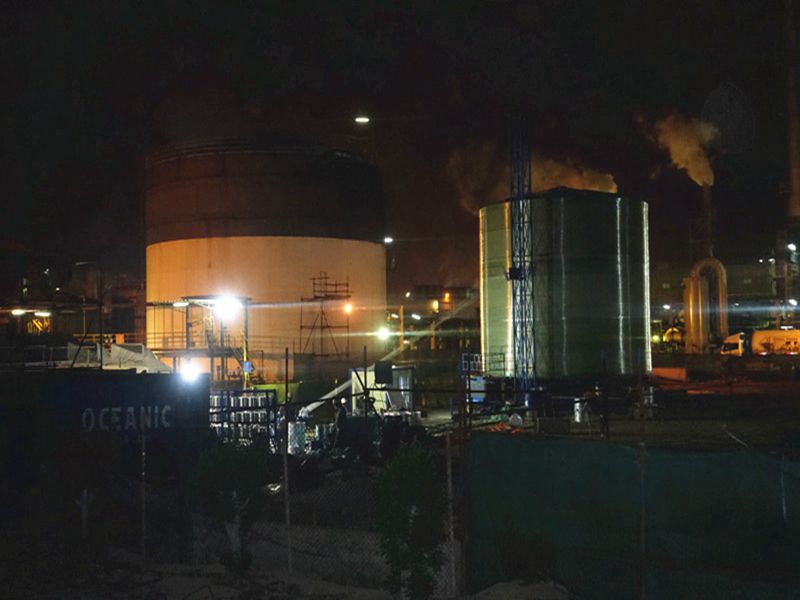
Environmental considerations are also driving interest in fiberglass sewer pipe alternatives. The production of fiberglass pipes typically generates fewer emissions compared to traditional materials, and their longevity means fewer pipes need to be manufactured and replaced over time. Furthermore, fiberglass can be made from recycled materials, contributing to a more sustainable lifecycle.
However, it is essential to consider the specific needs of a project before choosing fiberglass sewer pipes as an alternative. While they offer numerous benefits, the suitability of fiberglass will depend on various factors such as local regulations, soil conditions, and the type of wastewater being transported. Conducting a thorough cost-benefit analysis and consulting with experts can help in making an informed decision.
In terms of installation, innovations in joining techniques such as fusion bonding and mechanical connections have enhanced the efficacy of fiberglass pipes. These methods ensure watertight joints, which are crucial in maintaining system efficiency and preventing leaks.
In conclusion, while fiberglass sewer pipes may not replace traditional materials universally, they certainly offer a robust alternative worth considering. With advantages such as corrosion resistance, lightweight design, reduced maintenance, and environmental sustainability, fiberglass could become a standard choice in the future of sewer infrastructure. As technology advances and the demand for durable piping solutions increases, more projects may turn to fiberglass as a viable alternative to traditional sewer pipe materials.
Latest news
-
Oblate Tanks: Space-Saving, Durable Liquid Storage SolutionsNewsAug.27,2025
-
High-Performance Piping System Solutions for Industry & Commercial UseNewsAug.26,2025
-
Precision Fittings: Durable & Reliable Industrial & Plumbing SolutionsNewsAug.25,2025
-
Practical Steps: Unlock Success with Our Proven GuidesNewsAug.24,2025
-
Transport Tanks: Safe, Durable & Efficient Liquid HaulingNewsAug.23,2025
-
High-Quality Piping Systems for Efficient Flow & DurabilityNewsAug.22,2025