

Fiberglass Stair Tread: Durable, Safe & Cost-Effective Industrial Solutions
Fiberglass Stair Tread is a key solution in the industry, specifically within infrastructure, industrial plants, and commercial construction sectors. This article explores how https://www.jrain-frp.com supports professionals with durable, high-performance products, and explains why this product is an ideal choice for businesses in these sectors.
Table of Contents
- Fiberglass Stair Tread Overview
- Benefits & Use Cases of Fiberglass Stair Tread
- Cost, Maintenance & User Experience
- Sustainability & Market Trends
Fiberglass Stair Tread Overview
Fiberglass stair treads, at their core, are durable walking surfaces designed for stairs — but with a twist. Instead of traditional steel or concrete, they're crafted from fiber-reinforced polymer (FRP), a composite material known for its strength and corrosion resistance. You might be wondering why that matters. In industrial or outdoor environments, conditions can quickly degrade conventional materials, leading to costly maintenance or safety risks. That’s where fiberglass stair treads shine.
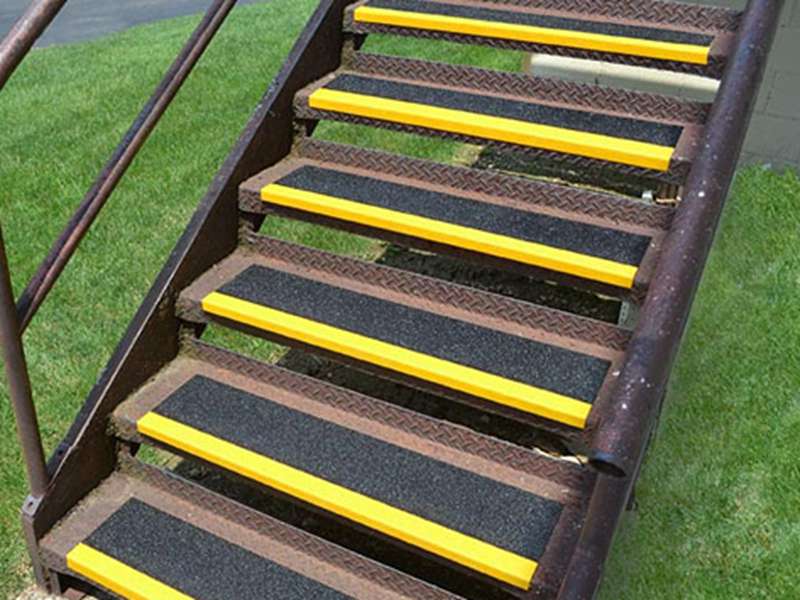
- These treads often feature molded grit surfaces for excellent slip resistance, enhancing workplace safety.
- Typical specs include customizable dimensions, load capacities exceeding 1000 lbs, and fire-retardant resins to meet industry standards.
| Specification | Details |
|---|---|
| Material | Fiber-Reinforced Polymer (FRP) |
| Load Capacity | > 1000 lbs per tread |
| Slip Resistance | Molded grit surface, OSHA compliant |
| Fire Rating | Class A, meets ASTM E84 |
| Custom Sizes | Available upon request |
Benefits & Use Cases of Fiberglass Stair Tread
When it comes to demanding environments—think chemical plants, wastewater facilities, or outdoor industrial stairways—you want materials that don’t just last but perform without constant upkeep. Fiberglass stair treads offer excellent corrosion resistance against chemicals, moisture, and UV radiation, translating to years of reliable, safe use.
- They’re favored in industries where metal treads corrode quickly or concrete can crack and become unsafe.
- Competitive advantages include lightweight construction for easier installation, excellent slip-resistance for worker safety, and minimal expansion/contraction with temperature changes.
It's odd how something so seemingly mundane as stair treads can influence overall site safety and operational efficiency. Many engineers, frankly, swear by these FRP options for just that reason.
Cost, Maintenance & User Experience
Of course, cost is always a consideration, especially on big projects. At first glance, fiberglass stair treads might seem pricier than traditional steel or concrete, but when you consider total cost of ownership, the story changes. Reduced maintenance, no need for frequent corrosion repairs or painting, and fewer replacements balance the investment.
- Their durability means fewer shutdowns for repairs — a big deal in manufacturing or processing plants.
- User feedback often highlights the improved safety due to grip performance and how lightweight treads make large installations faster and easier.
Customers in sectors like petrochemical and pulp & paper consistently report strong ROI; one regional plant manager noted installation time dropped by nearly 40%, with zero slip incidents recorded in over two years.
Sustainability & Market Trends
Sustainability is more than just buzz in construction and industrial materials these days — it’s a mandate. FRP stair treads, in this regard, have an edge. They tend to last longer, reducing waste and resource use over time. Some manufacturers, including leaders like Jrain FRP, integrate recycled content or eco-friendly resins, though this can vary.
- Industry standards increasingly emphasize low VOCs and reduced environmental impact, nudging innovation in fiberglass composites.
Given market research forecasts steady growth for FRP products in industrial applications over the next decade, it’s clear the trend toward these stair treads is not only practical but forward-thinking.
| Vendor | Material Quality | Customization | Lead Time | Pricing (Relative) |
|---|---|---|---|---|
| Jrain FRP | High-grade resins & fiberglass | Extensive custom sizes & finishes | 4-6 weeks | Competitive |
| Vendor B | Standard industrial-grade | Limited options | 6-8 weeks | Mid-range |
| Vendor C | Lower-cost fiberglass blends | Few custom choices | 2-3 weeks | Budget-friendly |
Frequently Asked Questions about Fiberglass Stair Tread
- What is Fiberglass Stair Tread and how does it work?
- It’s essentially a stair tread made from fiber-reinforced polymer, combining glass fibers with resin to form a strong, lightweight, and corrosion-resistant surface. This composite structure provides strength to withstand heavy loads while offering a slip-resistant texture for safety.
- What are the main benefits of using Fiberglass Stair Tread in industrial applications?
- Key benefits include superior corrosion resistance, reduced maintenance costs, safety enhancement due to non-slip surfaces, and significantly lower weight compared to metal alternatives, which eases installation.
- How does Fiberglass Stair Tread compare to traditional alternatives?
- Unlike steel that rusts or concrete that cracks, fiberglass stair treads resist chemicals, moisture, and UV damage. They’re lighter, safer, and don’t require painting or coating, effectively lowering long-term costs.
- What industries can benefit most from Fiberglass Stair Tread implementation?
- Industries such as oil & gas, wastewater treatment, manufacturing plants, and commercial construction particularly benefit due to the harsh environments and heavy foot traffic involved.
Conclusion on Fiberglass Stair Tread from china
In the end, fiberglass stair treads serve as a smart, durable solution for industries demanding safety, reliability, and cost-efficient longevity. They truly offer a mix of practicality and performance that’s hard to beat. If you’re considering an upgrade or specifying materials for your next project, it’s definitely worth taking a closer look.
- Recap the value of Fiberglass Stair Tread.
- - Visit our website: https://www.jrain-frp.com
It’s an interesting intersection of materials science and real-world practicality — and honestly, it feels like these stair treads will continue rising in popularity as industries push for safer and more sustainable infrastructure.
References:
- OSHA Regulations on Slip Resistance & Stair Safety
- ASTM E84 Fire Testing Standards
- Industry Case Studies from Jrain FRP Client Reports
Latest news
-
Industrial High Pressure Fiberglass Pipe Guide and Technical SpecsNewsApr.16,2026
-
Industrial Storage Guide for Fiberglass Chemical TanksNewsApr.09,2026
-
Explore Durable and Customizable Custom Fiberglass Tanks for Your IndustryNewsApr.07,2026
-
Comprehensive Guide to Fiberglass Roof Tanks for Liquid Storage SolutionsNewsApr.04,2026
-
Comprehensive Guide to Durable and Corrosion Resistant Glass Fiber TanksNewsMar.31,2026
-
Comprehensive Guide to Tank Fiberglass Solutions and Their Diverse ApplicationsNewsMar.28,2026