

Feb . 12, 2025 01:37
Back to list
fiberglass clarifier system for efficient water treatment and solid ...
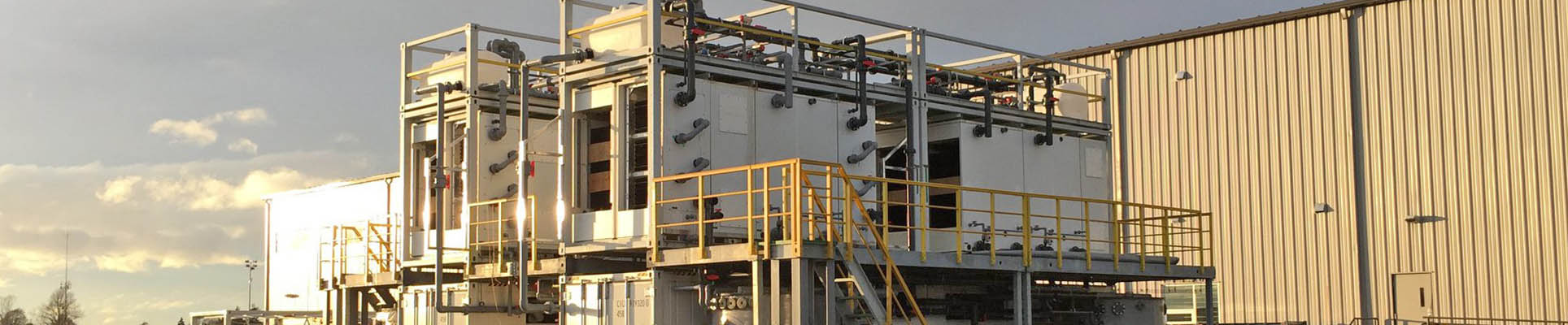
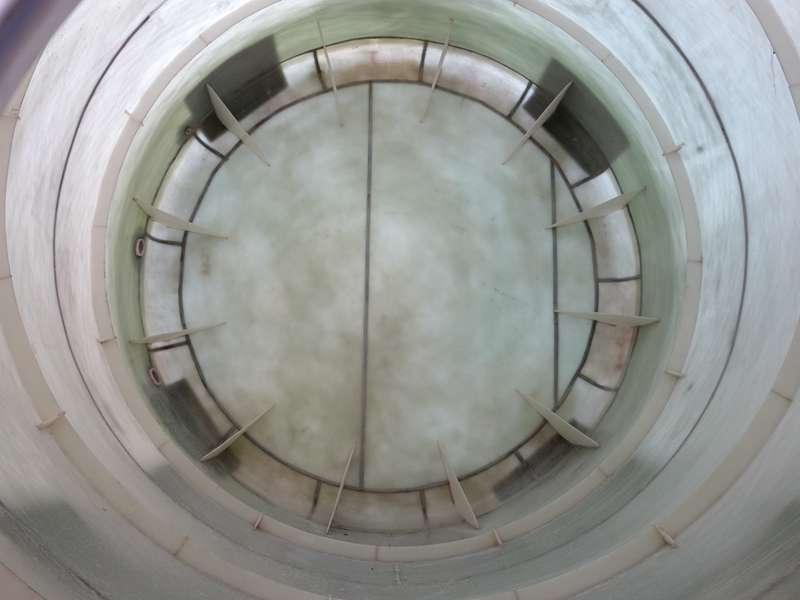
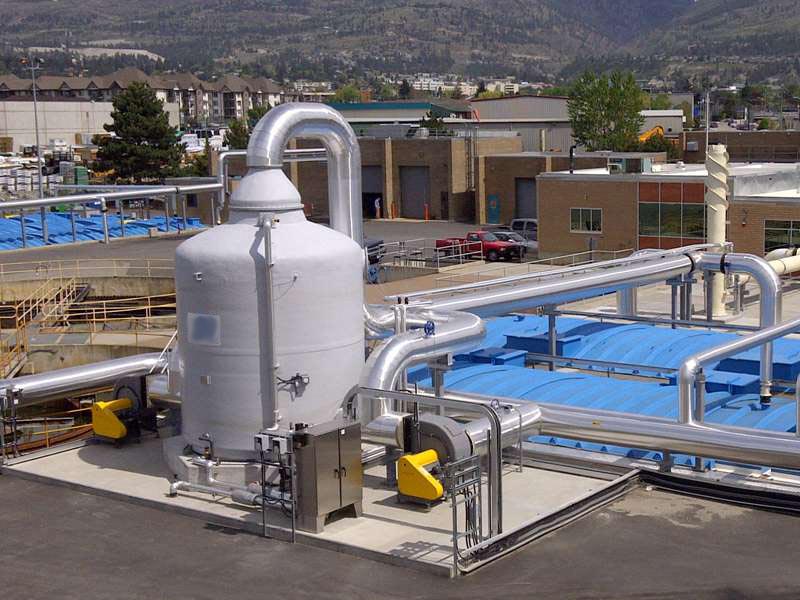
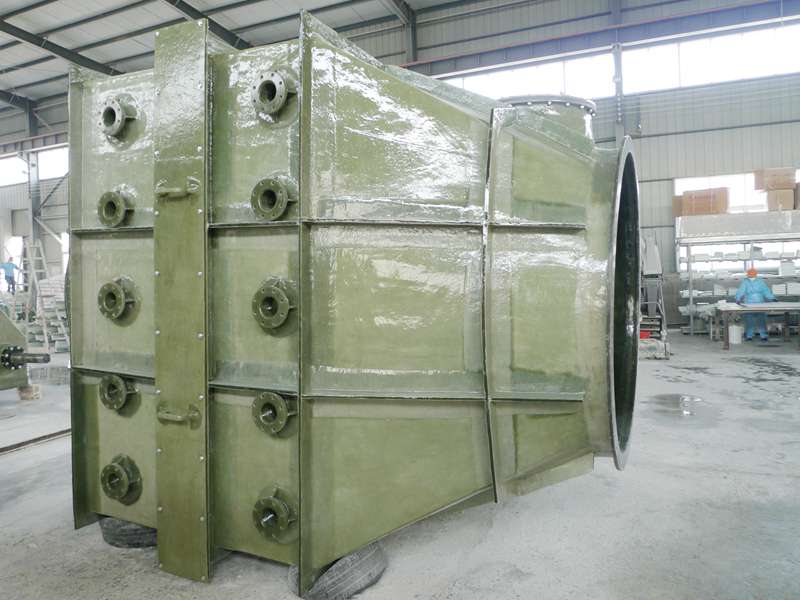
In the realm of modern water treatment, the fiberglass clarifier system emerges as a pioneering solution ushering efficient processes in both residential and industrial applications. This ingenuity marries longstanding expertise with innovation, ensuring optimal clarity and cleanliness of treated water while enhancing the management of solid waste.
Moreover, fiberglass systems are instrumental in eco-friendliness within the water treatment sphere. The lightweight nature of fiberglass reduces the energy needed for transportation and installation. Additionally, these systems often come with modular designs, allowing for easy upgrades and expansions, which means that evolving water treatment needs can be met without the footprint associated with entirely new installations. Sustainability and environmental awareness draw further benefits from these systems. Fiberglass production requires less energy than traditional materials, and it generates fewer CO2 emissions, contributing to a smaller environmental footprint. As global initiatives increasingly emphasize sustainability, fiberglass clarifier manufacturers are at the forefront of producing eco-friendly water treatment solutions. Trust in these systems is built upon decades of documented performance, rigorous testing, and industry endorsements. From municipal water facilities to private businesses, countless entities report consistent satisfaction and compliance with international water safety standards. This reputation is buttressed by extensive research in materials science and environmental engineering, proving the reliability and efficacy of fiberglass clarifiers. In conclusion, the adoption of fiberglass clarifier systems signifies a shift towards more sophisticated, reliable, and environmentally responsible water treatment methods. Their comprehensive benefits—including durability, cost-efficiency, superior performance, and ecological sustainability—are essential in meeting the growing demands for effective water management solutions globally. As an expert and proponent of sustainable technologies, it's clear that fiberglass clarifiers are not merely an option; they represent the future of efficient water treatment.
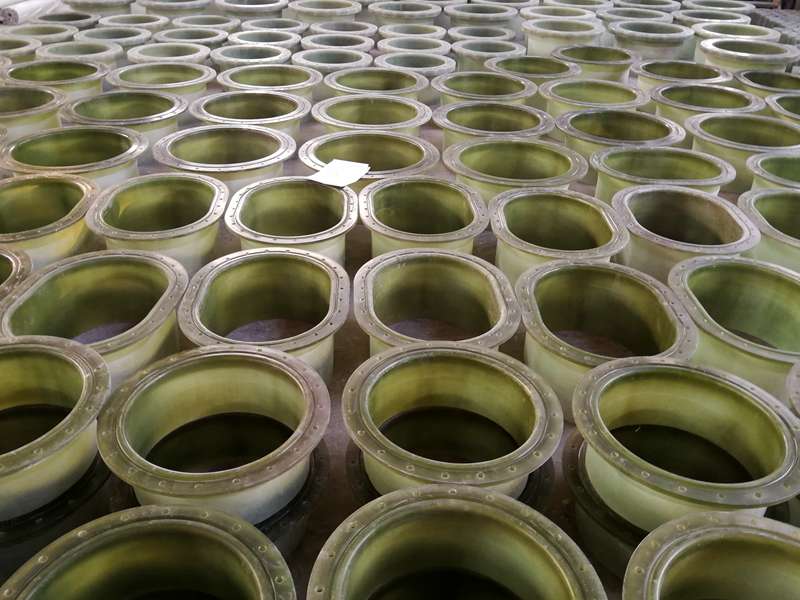
Moreover, fiberglass systems are instrumental in eco-friendliness within the water treatment sphere. The lightweight nature of fiberglass reduces the energy needed for transportation and installation. Additionally, these systems often come with modular designs, allowing for easy upgrades and expansions, which means that evolving water treatment needs can be met without the footprint associated with entirely new installations. Sustainability and environmental awareness draw further benefits from these systems. Fiberglass production requires less energy than traditional materials, and it generates fewer CO2 emissions, contributing to a smaller environmental footprint. As global initiatives increasingly emphasize sustainability, fiberglass clarifier manufacturers are at the forefront of producing eco-friendly water treatment solutions. Trust in these systems is built upon decades of documented performance, rigorous testing, and industry endorsements. From municipal water facilities to private businesses, countless entities report consistent satisfaction and compliance with international water safety standards. This reputation is buttressed by extensive research in materials science and environmental engineering, proving the reliability and efficacy of fiberglass clarifiers. In conclusion, the adoption of fiberglass clarifier systems signifies a shift towards more sophisticated, reliable, and environmentally responsible water treatment methods. Their comprehensive benefits—including durability, cost-efficiency, superior performance, and ecological sustainability—are essential in meeting the growing demands for effective water management solutions globally. As an expert and proponent of sustainable technologies, it's clear that fiberglass clarifiers are not merely an option; they represent the future of efficient water treatment.
Latest news
-
Oblate Tanks: Space-Saving, Durable Liquid Storage SolutionsNewsAug.27,2025
-
High-Performance Piping System Solutions for Industry & Commercial UseNewsAug.26,2025
-
Precision Fittings: Durable & Reliable Industrial & Plumbing SolutionsNewsAug.25,2025
-
Practical Steps: Unlock Success with Our Proven GuidesNewsAug.24,2025
-
Transport Tanks: Safe, Durable & Efficient Liquid HaulingNewsAug.23,2025
-
High-Quality Piping Systems for Efficient Flow & DurabilityNewsAug.22,2025