



Durable Fiberglass Elbows for Efficient Piping Solutions in Various Applications
Understanding Fiberglass Elbows Applications and Advantages
Fiberglass elbows are integral components in various industrial applications where piping systems are required. These fittings are essential for directing the flow of liquids and gases through a system and are particularly favored in environments where traditional materials may falter. This article will delve into the characteristics, applications, and benefits of fiberglass elbows, while also comparing them to other materials.
What are Fiberglass Elbows?
Fiberglass elbows are fittings made from a composite material that combines glass fibers with a resin matrix. This unique blend provides a lightweight yet exceptionally strong product. The most common types of fiberglass used in these applications include polyester and vinyl ester, which are chosen for their durability and resistance to corrosion.
Fiberglass elbows are available in various angles, typically 45 degrees and 90 degrees, but can also be customized to fit specific needs. Their properties make them an excellent choice for a wide range of operational conditions, including high temperatures and corrosive environments.
Applications of Fiberglass Elbows
1. Chemical Processing One of the primary industries utilizing fiberglass elbows is chemical processing. The resistance to corrosive substances allows these elbows to transport aggressive chemicals safely without the risk of degradation or leakage.
2. Water Treatment Facilities In water treatment, fiberglass elbows are used due to their non-reactive nature and strength. They help direct the flow of water, sewage, and other waste products without compromising the structural integrity over time.
3. Oil and Gas Industry The oil and gas sector benefits from fiberglass elbows owing to their lightweight nature, which simplifies installation and reduces overall system weight. Their resistance to harsh chemicals found in this industry makes them indispensable.
4. Marine Applications In marine environments, the risk of corrosion due to salty air and water is a significant concern. Fiberglass elbows provide a reliable solution, ensuring longevity in installations such as boat toilets and cooling systems.
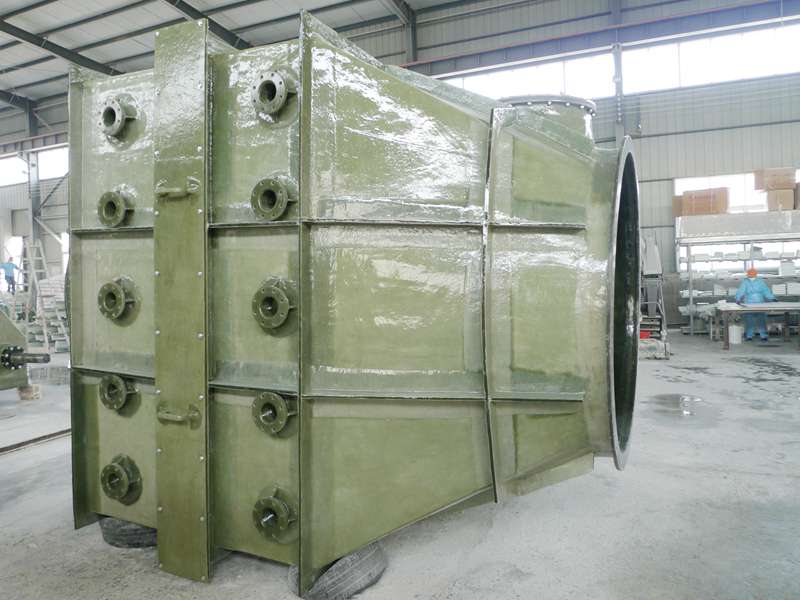
fiberglass elbows
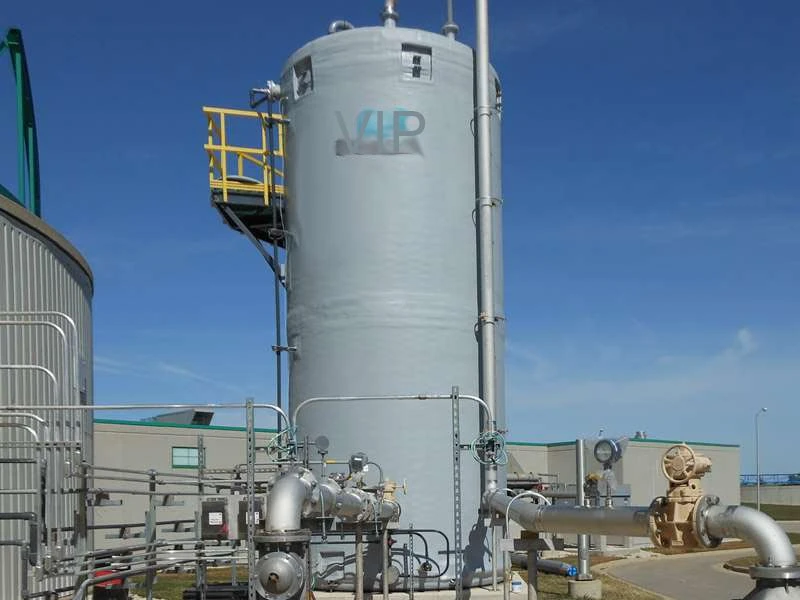
5. HVAC Systems The heating, ventilation, and air conditioning (HVAC) industry employs fiberglass elbows to facilitate airflow in duct systems. Their lightweight design makes installation easier, and their durability ensures long-lasting performance.
Advantages of Fiberglass Elbows
1. Corrosion Resistance One of the standout advantages of fiberglass elbows is their resistance to corrosion. Unlike metal, which can rust and degrade over time, fiberglass remains intact even in the harshest environments, providing a long lifespan.
2. Lightweight Compared to traditional materials like steel and ductile iron, fiberglass is significantly lighter. This characteristic reduces transportation costs, makes installation easier, and can lead to lower structural support requirements.
3. Cost-Effectiveness While the initial cost of fiberglass fittings may be higher than some alternatives, their durability and low maintenance requirements translate into long-term savings. Reduced replacement and repair needs further enhance their cost-effectiveness.
4. Thermal Insulation Fiberglass elbows provide excellent thermal insulation. This property is especially beneficial in systems where temperature fluctuations are common, as it helps maintain the integrity of the substances being transported.
5. Eco-Friendly As industries lean toward sustainable practices, fiberglass products stand out due to their recyclability and lower environmental impact during production compared to metals.
Conclusion
Fiberglass elbows represent a versatile and efficient solution in various industries. Their resistance to corrosion, lightweight nature, and cost-effectiveness make them a smart choice for applications ranging from chemical processing to HVAC systems and beyond. As technology continues to advance, the use of fiberglass in construction and industrial applications is likely to grow, providing solutions that are not only effective but also environmentally friendly. Understanding the properties and potential uses of fiberglass elbows can aid businesses in making informed decisions about their piping systems, ensuring longevity and reliability in their operations.
Latest news
-
Oblate Tanks: Space-Saving, Durable Liquid Storage SolutionsNewsAug.27,2025
-
High-Performance Piping System Solutions for Industry & Commercial UseNewsAug.26,2025
-
Precision Fittings: Durable & Reliable Industrial & Plumbing SolutionsNewsAug.25,2025
-
Practical Steps: Unlock Success with Our Proven GuidesNewsAug.24,2025
-
Transport Tanks: Safe, Durable & Efficient Liquid HaulingNewsAug.23,2025
-
High-Quality Piping Systems for Efficient Flow & DurabilityNewsAug.22,2025