



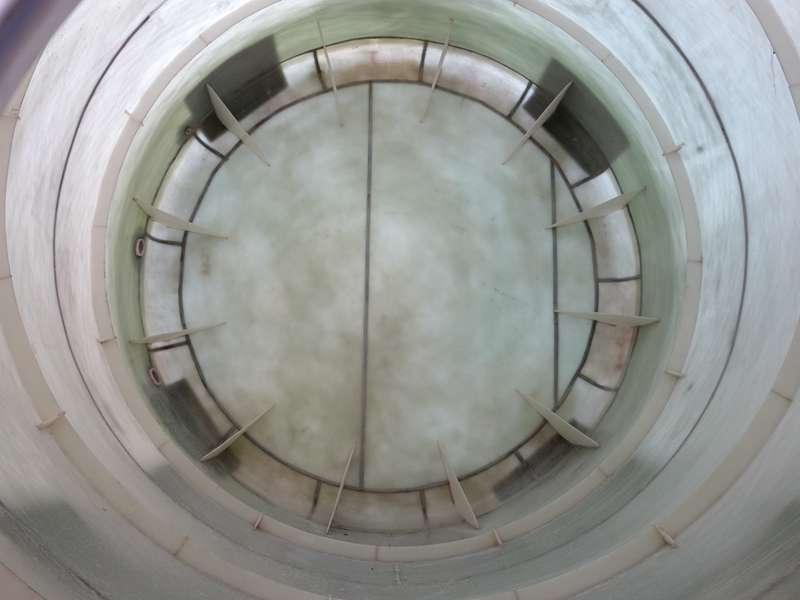
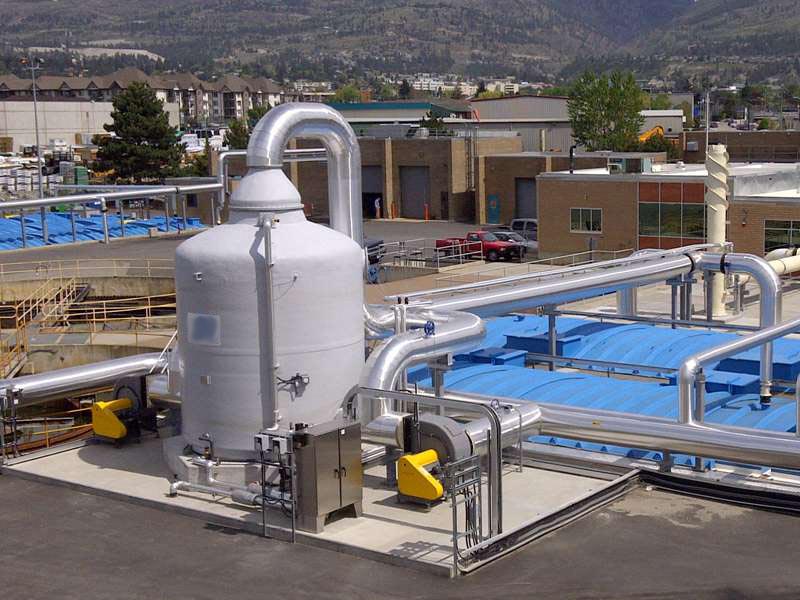
fiberglass field tank
Understanding Fiberglass Field Tanks A Comprehensive Overview
Fiberglass field tanks are becoming increasingly popular in various industries due to their impressive durability, corrosion resistance, and lightweight properties. These tanks are primarily used for storing liquids, such as water, chemicals, and petroleum products. With the growing demand for efficient and reliable storage solutions, understanding the advantages and applications of fiberglass field tanks is essential.
What are Fiberglass Field Tanks?
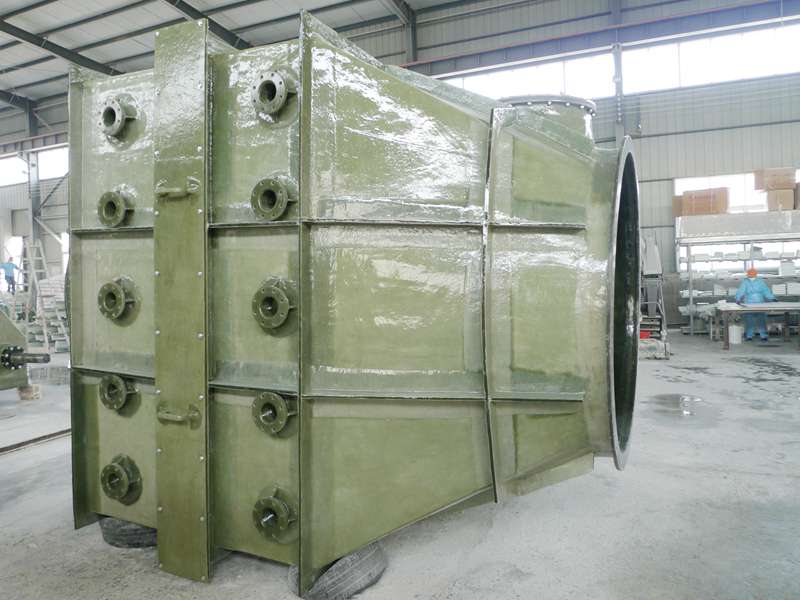
Fiberglass field tanks are storage vessels made from fiberglass-reinforced plastic (FRP). This composite material combines glass fibers with resins, creating a lightweight yet robust structure. These tanks are typically manufactured using a process called filament winding or hand layup, which involves layering glass fibers and resin to form a strong and durable tank that can withstand various environmental conditions.
Advantages of Fiberglass Field Tanks
1. Corrosion Resistance One of the most significant benefits of fiberglass tanks is their inherent resistance to corrosion. Unlike metal tanks, which can rust or corrode over time, fiberglass tanks are impervious to many chemicals and environmental factors, making them ideal for storing aggressive substances.
2. Lightweight and Easy to Transport Fiberglass tanks are considerably lighter than their metal counterparts, which simplifies transportation and installation. This lightweight nature allows for easier handling, reducing labor costs and potential injuries during setup.
3. Longevity Fiberglass is known for its longevity and can last for decades with minimal maintenance. This durability reduces the need for frequent replacements, leading to lower long-term costs.
fiberglass field tank

4. Temperature Regulation The insulating properties of fiberglass help maintain stable temperatures within the tank, reducing the risk of accidental evaporation or degradation of the stored substance. This is particularly important for chemicals and fuels that require strict temperature control.
5. Customizability Fiberglass tanks can be molded into various shapes and sizes, making them highly customizable to meet specific storage needs. This flexibility allows industries to utilize space efficiently and cater to their unique requirements.
Applications of Fiberglass Field Tanks
Fiberglass field tanks are widely used across multiple sectors. In agricultural settings, they play a crucial role in irrigation systems, storing water for fields and livestock. The chemical industry utilizes these tanks for safe storage of hazardous materials, thanks to their chemical resistance. Additionally, the oil and gas industry employs fiberglass tanks to hold fuel and other petroleum products, as they can withstand the harsh conditions often present in these environments.
Moreover, fiberglass tanks are increasingly being used for wastewater management. Their ability to resist chemical reactions makes them a reliable choice for treatment facilities, ensuring the safe storage of effluents before disposal or treatment.
Conclusion
In conclusion, fiberglass field tanks represent a versatile and effective solution for liquid storage across various industries. Their durability, lightweight nature, and resistance to corrosion position them as a superior choice compared to traditional storage options. As industries continue to evolve and seek improved storage solutions, fiberglass tanks are likely to play an increasingly important role in meeting these demands, ensuring safety and efficiency for years to come. Whether for agricultural, chemical, or petroleum applications, fiberglass field tanks are a testament to modern engineering’s ability to address diverse storage challenges.


Latest news
-
Oblate Tanks: Space-Saving, Durable Liquid Storage SolutionsNewsAug.27,2025
-
High-Performance Piping System Solutions for Industry & Commercial UseNewsAug.26,2025
-
Precision Fittings: Durable & Reliable Industrial & Plumbing SolutionsNewsAug.25,2025
-
Practical Steps: Unlock Success with Our Proven GuidesNewsAug.24,2025
-
Transport Tanks: Safe, Durable & Efficient Liquid HaulingNewsAug.23,2025
-
High-Quality Piping Systems for Efficient Flow & DurabilityNewsAug.22,2025