


fiberglass food grade equipment a closer look at its features and
A Closer Look at Fiberglass Food Grade Equipment Features and Benefits
In an industry where hygiene and safety are paramount, the materials used for food grade equipment play a critical role. Fiberglass has emerged as a leading choice for food grade equipment, and understanding its features can help businesses make informed decisions. This article explores the unique attributes of fiberglass food grade equipment and its benefits in food processing and handling.
Understanding Fiberglass
Fiberglass is a composite material made from glass fibers and resin. It possesses several properties that make it ideal for various applications, especially in environments that demand high standards of hygiene. Fiberglass is non-porous, resistant to corrosion, and can withstand a wide range of temperatures, making it suitable for food contact and storage.
Key Features of Fiberglass Food Grade Equipment
1. Non-Porous Surface One of the standout features of fiberglass is its non-porous nature. This characteristic is crucial in food processing, as it prevents the absorption of liquids and odors that can harbor bacteria. Non-porous surfaces are easier to clean and sanitize, which is essential for maintaining food safety standards.
2. Chemical Resistance Fiberglass exhibits excellent resistance to a wide array of chemicals, including acids, bases, and solvents. This property ensures that the equipment can withstand the harsh conditions of food processing, where numerous cleaning agents may be used. Equipment made of fiberglass is less likely to degrade or become damaged over time, contributing to a longer lifespan.
3. Durability The strength-to-weight ratio of fiberglass is remarkable. It is lightweight compared to other materials like stainless steel, yet it maintains excellent structural integrity under stress. This durability translates into reduced maintenance costs and a lower likelihood of equipment failure, which is crucial in maintaining uninterrupted production processes.
4. Thermal Stability Fiberglass can withstand temperature variations, which is vital for equipment used in food processing. Whether dealing with freezing temperatures in storage facilities or high heat in cooking operations, fiberglass maintains its structural properties without warping or melting.
fiberglass food grade equipment a closer look at its features and
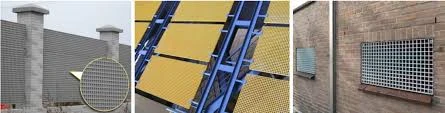
5. Versatility in Design Fiberglass can be molded into various shapes and sizes, allowing for the creation of custom equipment tailored to specific applications. This versatility is a significant advantage for businesses looking to optimize their operations around unique production requirements.
Benefits of Using Fiberglass Food Grade Equipment
1. Enhanced Hygiene and Safety With stringent food safety regulations across the globe, the use of materials that minimize contamination risks is critical. The non-porous and easy-to-clean surfaces of fiberglass equip businesses with the tools necessary to meet and exceed hygiene standards.
2. Cost-Effectiveness Although the initial investment in fiberglass equipment might be higher compared to alternatives, the long-term savings from reduced maintenance, longer lifespan, and increased efficiency make fiberglass a cost-effective choice. Businesses can benefit from minimized downtime and lower replacement costs.
3. Environmentally Friendly Fiberglass is often recyclable and can be produced with less environmental impact than some metals. As sustainability becomes an essential factor for businesses aiming to reduce their carbon footprint, the use of fiberglass aligns with these green initiatives.
4. Improved Employee Safety The lightweight nature of fiberglass reduces the physical strain on employees who handle the equipment. Additionally, its non-corrosive properties ensure that equipment does not pose risks such as splinters or sharp edges, contributing to a safer workplace.
5. Aesthetic Appeal Beyond functionality, fiberglass can be finished with various textures and colors, offering aesthetic options that can enhance the visual appeal of a production area. This can contribute to creating a more pleasant working environment.
Conclusion
In conclusion, fiberglass food grade equipment presents a compelling option for businesses in the food industry. Its unique features, including non-porous surfaces, chemical resistance, and durability, deliver significant benefits in terms of hygiene, safety, and cost-effectiveness. As food safety regulations continue to evolve, investing in fiberglass equipment emerges as a proactive strategy that not only complies with industry standards but also enhances operational efficiency and promotes sustainability. By choosing fiberglass, businesses can ensure they are well-equipped to meet the demands of a growing and ever-changing market.
Latest news
-
Oblate Tanks: Space-Saving, Durable Liquid Storage SolutionsNewsAug.27,2025
-
High-Performance Piping System Solutions for Industry & Commercial UseNewsAug.26,2025
-
Precision Fittings: Durable & Reliable Industrial & Plumbing SolutionsNewsAug.25,2025
-
Practical Steps: Unlock Success with Our Proven GuidesNewsAug.24,2025
-
Transport Tanks: Safe, Durable & Efficient Liquid HaulingNewsAug.23,2025
-
High-Quality Piping Systems for Efficient Flow & DurabilityNewsAug.22,2025