



fiberglass food grade equipment a closer look at its features and
A Closer Look at Fiberglass Food Grade Equipment Features and Benefits
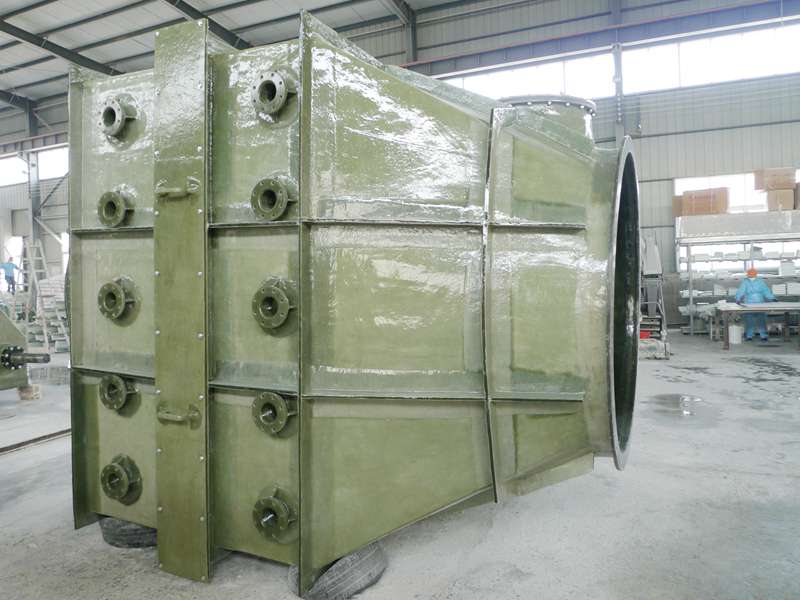
In the world of food processing and preparation, the choice of materials plays a crucial role in ensuring safety, efficiency, and compliance with health standards. Among the various materials utilized in this industry, fiberglass food grade equipment has gained significant attention for its unique properties and advantages. This article takes a closer look at the features and benefits of fiberglass in food-grade applications.
Fiberglass, or glass-reinforced plastic, is primarily composed of a plastic matrix reinforced with fibers of glass. This combination results in a versatile and durable material that can withstand the rigors of a food processing environment. One of the standout features of fiberglass is its resistance to corrosion and chemical attack. Unlike metals that can rust or degrade when exposed to acidic foods and cleaning agents, fiberglass maintains its integrity and appearance, making it an ideal choice for food processing equipment.
Another vital feature of fiberglass food grade products is their lightweight nature. This property not only simplifies handling during installation and maintenance but also reduces transportation costs. Despite being lightweight, fiberglass does not compromise on strength. In fact, it offers exceptional tensile and impact resistance, ensuring that equipment can endure significant wear and tear without failing.
fiberglass food grade equipment a closer look at its features and
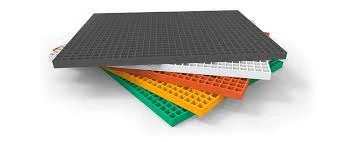
Safety is a paramount concern in food processing, and fiberglass equipment addresses this by being non-toxic and free from harmful substances. It complies with various health regulations, making it suitable for direct contact with food products. The smooth, non-porous surface of fiberglass also minimizes the risk of bacterial growth, facilitating easier cleaning and sanitation processes.
Moreover, fiberglass equipment can be molded into various shapes and sizes, allowing for customization based on specific operational needs. This adaptability makes it a popular choice for manufacturing a wide range of food-grade tools, from conveyor belts to storage tanks.
In addition to its functional benefits, fiberglass is also cost-effective in the long run. While the initial investment might be higher than some traditional materials, the minimal maintenance requirements and longer life span of fiberglass equipment contribute to lower operational costs over time.
In conclusion, fiberglass food grade equipment presents a multitude of features that make it a superior choice for the food industry. Its durability, safety, lightweight nature, and cost-effectiveness position it as a valuable material that enhances productivity while ensuring compliance with health regulations. As the food processing sector continues to evolve, embracing advanced materials like fiberglass will undoubtedly play a crucial role in achieving higher standards of quality and safety.
Latest news
-
Oblate Tanks: Space-Saving, Durable Liquid Storage SolutionsNewsAug.27,2025
-
High-Performance Piping System Solutions for Industry & Commercial UseNewsAug.26,2025
-
Precision Fittings: Durable & Reliable Industrial & Plumbing SolutionsNewsAug.25,2025
-
Practical Steps: Unlock Success with Our Proven GuidesNewsAug.24,2025
-
Transport Tanks: Safe, Durable & Efficient Liquid HaulingNewsAug.23,2025
-
High-Quality Piping Systems for Efficient Flow & DurabilityNewsAug.22,2025