

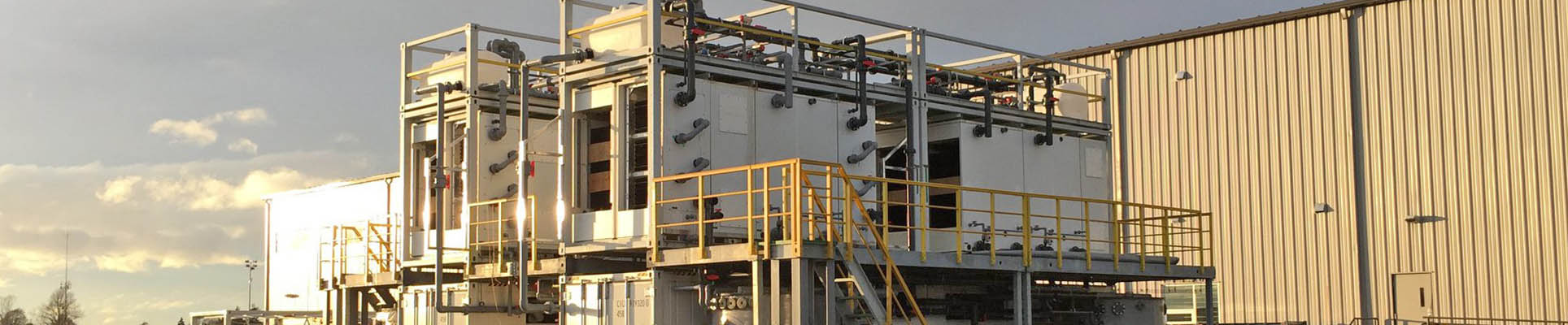

fiberglass food grade equipment a closer look at its features and
A Closer Look at Fiberglass Food Grade Equipment Features and Benefits
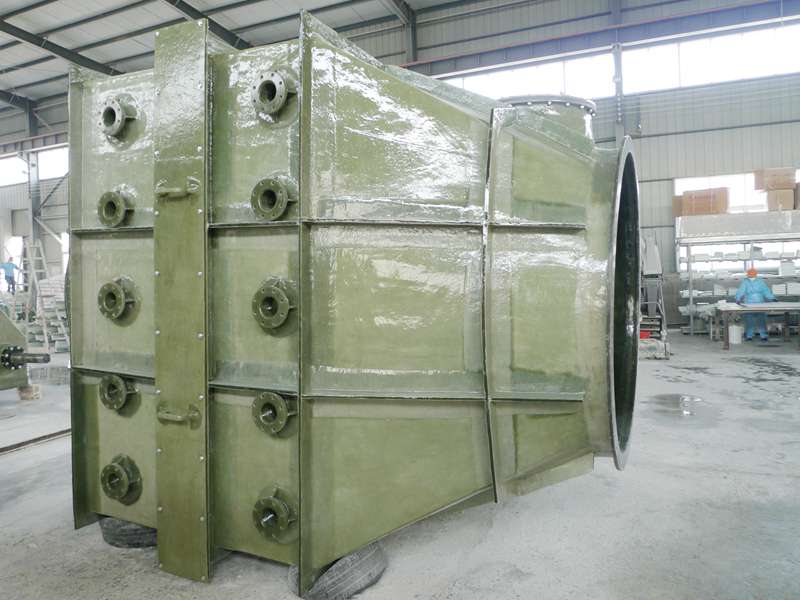
In the realm of food processing and safety, the choice of equipment is paramount. One material that has garnered attention for its versatility and performance is fiberglass, particularly when it is designed for food-grade applications. Fiberglass food grade equipment offers a unique set of features and benefits that make it a preferred choice for many industries involved in food handling and production.
Understanding Fiberglass
Fiberglass is a composite material made from fine strands of glass woven together and combined with a resin. This structure results in a lightweight yet robust product, known for its exceptional strength-to-weight ratio. When treated for food-grade applications, fiberglass is designed to comply with strict health and safety regulations, ensuring that it is safe for direct contact with food products.
Key Features of Fiberglass Food Grade Equipment
1. Durability One of the standout features of fiberglass is its durability. It is resistant to corrosion, which is particularly important in environments where chemicals or moisture are present. This resistance helps ensure a long lifespan, reducing the need for frequent replacements.
2. Non-reactive Fiberglass does not react with food substances, making it a safe choice for various food processing applications. This non-reactivity helps maintain the integrity and flavor of food products, preventing unwanted chemical interactions.
3. Lightweight Compared to metals and other materials, fiberglass is significantly lighter, making it easier to handle and install. This characteristic can lead to reduced labor costs, as equipment can be maneuvered more easily by operators.
4. Ease of Cleaning Maintaining hygiene in food processing is critical, and fiberglass equipment is generally easy to clean. Its smooth surfaces prevent the buildup of bacteria and facilitate thorough sanitation, which is crucial for food safety standards.
5. Temperature Resistance Fiberglass can withstand a range of temperatures, making it suitable for various food processing environments, including those that require refrigeration or heating. This versatility adds to its appeal for manufacturers who may deal with different food items.
6. Customization Fiberglass equipment can be tailored to meet specific needs. Manufacturers can create customized sizes, shapes, and designs that fit particular workflows or product requirements, providing flexibility in design that other materials may not offer.
fiberglass food grade equipment a closer look at its features and
Applications in Food Industry
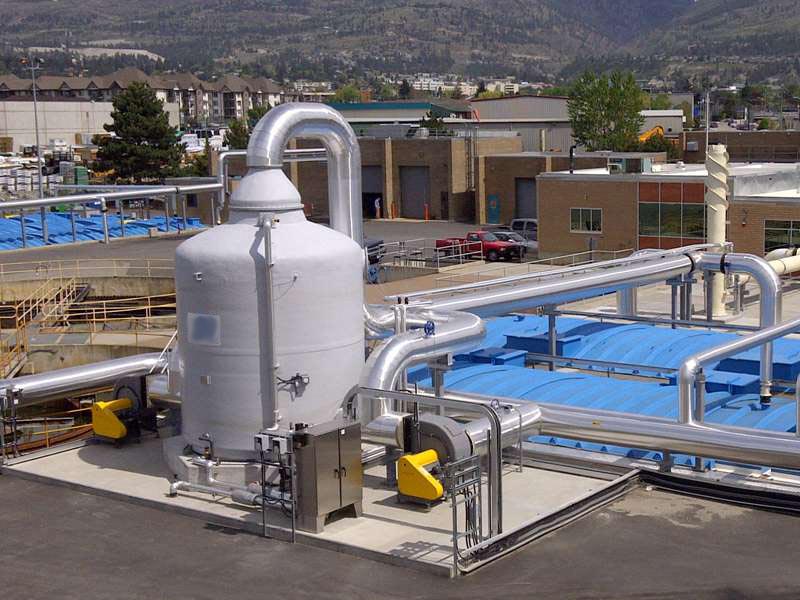
The applications of fiberglass food grade equipment span numerous sectors within the food industry. Common uses include
- Storage Tanks Fiberglass storage tanks are used for holding liquids, such as oils or ingredients, while ensuring that the contents remain uncontaminated.
- Conveyors Food-grade conveyor systems made of fiberglass can transport a variety of products through processing stages efficiently and safely.
- Food Processing Equipment Various processing machines, such as mixers and blenders, benefit from fiberglass construction, which ensures longevity and ease of cleaning.
- Packaging Solutions Fiberglass can also be used in packaging equipment that maintains the integrity of food products during transport.
Environmental Considerations
As industries worldwide shift towards more sustainable practices, fiberglass is proving to be a viable option. While the production of fiberglass involves certain environmental considerations, its durability and longevity mean it does not need frequent replacement, reducing waste. Moreover, advancements are being made in improving the recyclability of fiberglass, which could enhance its sustainability profile in the future.
Conclusion
Fiberglass food grade equipment presents a robust alternative to traditional materials, combining strength, safety, and ease of use. Its unique properties make it an ideal choice for various applications across the food industry, from storage and processing to transportation and packaging. As the demand for high-quality food handling solutions continues to grow, fiberglass equipment is poised to play a significant role in advancing food safety and efficiency in the years to come.
Latest news
-
Oblate Tanks: Space-Saving, Durable Liquid Storage SolutionsNewsAug.27,2025
-
High-Performance Piping System Solutions for Industry & Commercial UseNewsAug.26,2025
-
Precision Fittings: Durable & Reliable Industrial & Plumbing SolutionsNewsAug.25,2025
-
Practical Steps: Unlock Success with Our Proven GuidesNewsAug.24,2025
-
Transport Tanks: Safe, Durable & Efficient Liquid HaulingNewsAug.23,2025
-
High-Quality Piping Systems for Efficient Flow & DurabilityNewsAug.22,2025