


Feb . 11, 2025 11:13
Back to list
fiberglass food grade equipment a closer look at its features and ...
Fiberglass food grade equipment is swiftly gaining traction across the food manufacturing industry, and for good reason. This versatile material offers a unique blend of durability, safety, and efficiency that’s hard to match. With an increased focus on hygienic and reliable production processes, fiberglass has emerged as a top choice for ensuring food safety and operational efficacy. Let’s delve deeper into the features of fiberglass food grade equipment and explore what makes it an exceptional choice for food processing applications.
Another notable advantage of fiberglass is its lightweight nature. This characteristic facilitates easier installation and maneuverability, reducing labor costs and downtime during set-up or maintenance processes. For food production facilities, where time and efficiency are crucial, the ability to swiftly move and adjust equipment without heavy machinery is a significant benefit. The non-porous surface of fiberglass also plays a vital role in its suitability for food grade applications. A non-porous surface ensures that bacteria and microorganisms cannot penetrate the material, making it much easier to clean and sanitize. This attribute is invaluable in the food industry, where cleanliness and hygiene are non-negotiable. The ease of cleaning fiberglass equipment means that facilities can uphold high standards of sanitation with minimal effort, reducing the risk of contamination and enhancing overall food safety. Energy efficiency is another aspect where fiberglass shines. Its inherent insulating properties mean that it can help maintain optimal temperatures without excessive reliance on energy-intensive controls. As the food industry becomes increasingly conscious of sustainability and energy consumption, the use of fiberglass equipment can contribute significantly to reducing a facility's carbon footprint. Lower energy use not only leads to cost savings but also supports broader environmental goals, something that is becoming increasingly important to consumers and stakeholders alike. In conclusion, fiberglass food grade equipment offers a powerful combination of durability, versatility, safety, and efficiency that is hard to rival. For food manufacturers looking to meet the highest standards of hygiene while optimizing their operational processes, fiberglass presents an innovative and reliable solution. Its ability to resist corrosion, withstand temperature extremes, and maintain compliance with food safety regulations makes it indispensable in today’s competitive food production landscape. By investing in fiberglass equipment, manufacturers can ensure they remain at the forefront of industry standards, delivering safe and high-quality products to consumers around the world.
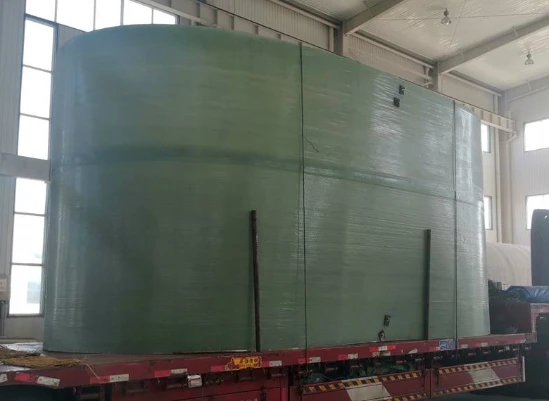
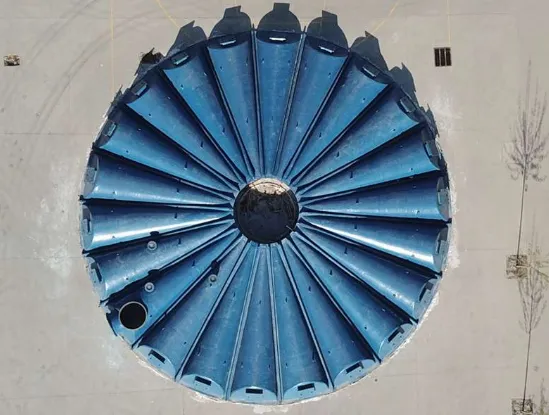
Another notable advantage of fiberglass is its lightweight nature. This characteristic facilitates easier installation and maneuverability, reducing labor costs and downtime during set-up or maintenance processes. For food production facilities, where time and efficiency are crucial, the ability to swiftly move and adjust equipment without heavy machinery is a significant benefit. The non-porous surface of fiberglass also plays a vital role in its suitability for food grade applications. A non-porous surface ensures that bacteria and microorganisms cannot penetrate the material, making it much easier to clean and sanitize. This attribute is invaluable in the food industry, where cleanliness and hygiene are non-negotiable. The ease of cleaning fiberglass equipment means that facilities can uphold high standards of sanitation with minimal effort, reducing the risk of contamination and enhancing overall food safety. Energy efficiency is another aspect where fiberglass shines. Its inherent insulating properties mean that it can help maintain optimal temperatures without excessive reliance on energy-intensive controls. As the food industry becomes increasingly conscious of sustainability and energy consumption, the use of fiberglass equipment can contribute significantly to reducing a facility's carbon footprint. Lower energy use not only leads to cost savings but also supports broader environmental goals, something that is becoming increasingly important to consumers and stakeholders alike. In conclusion, fiberglass food grade equipment offers a powerful combination of durability, versatility, safety, and efficiency that is hard to rival. For food manufacturers looking to meet the highest standards of hygiene while optimizing their operational processes, fiberglass presents an innovative and reliable solution. Its ability to resist corrosion, withstand temperature extremes, and maintain compliance with food safety regulations makes it indispensable in today’s competitive food production landscape. By investing in fiberglass equipment, manufacturers can ensure they remain at the forefront of industry standards, delivering safe and high-quality products to consumers around the world.
Latest news
-
Oblate Tanks: Space-Saving, Durable Liquid Storage SolutionsNewsAug.27,2025
-
High-Performance Piping System Solutions for Industry & Commercial UseNewsAug.26,2025
-
Precision Fittings: Durable & Reliable Industrial & Plumbing SolutionsNewsAug.25,2025
-
Practical Steps: Unlock Success with Our Proven GuidesNewsAug.24,2025
-
Transport Tanks: Safe, Durable & Efficient Liquid HaulingNewsAug.23,2025
-
High-Quality Piping Systems for Efficient Flow & DurabilityNewsAug.22,2025