



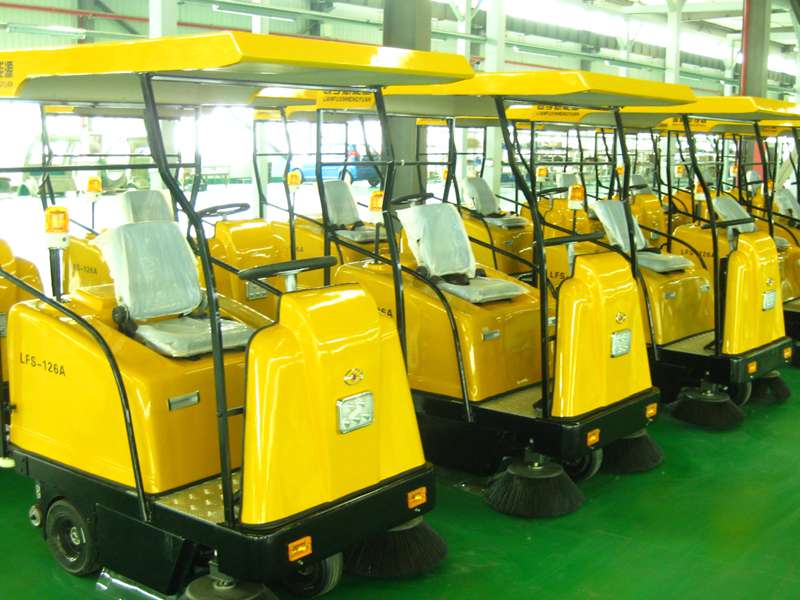
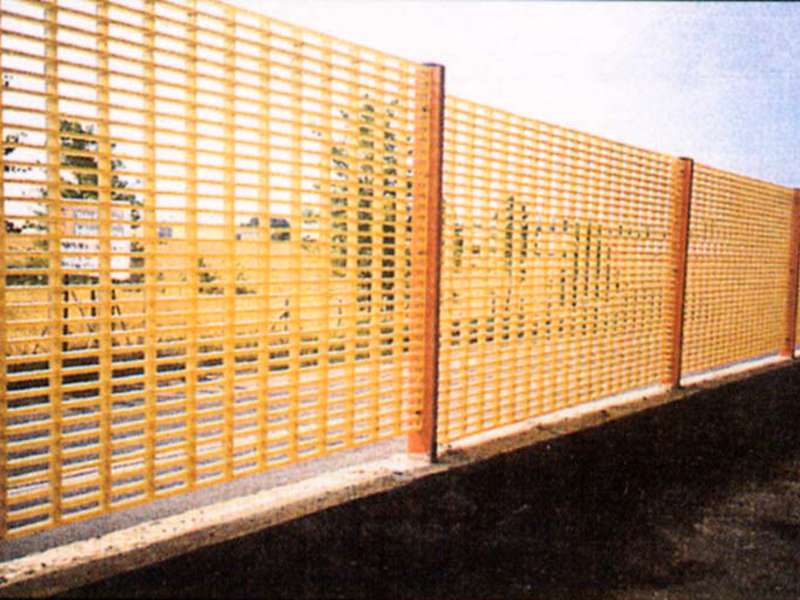
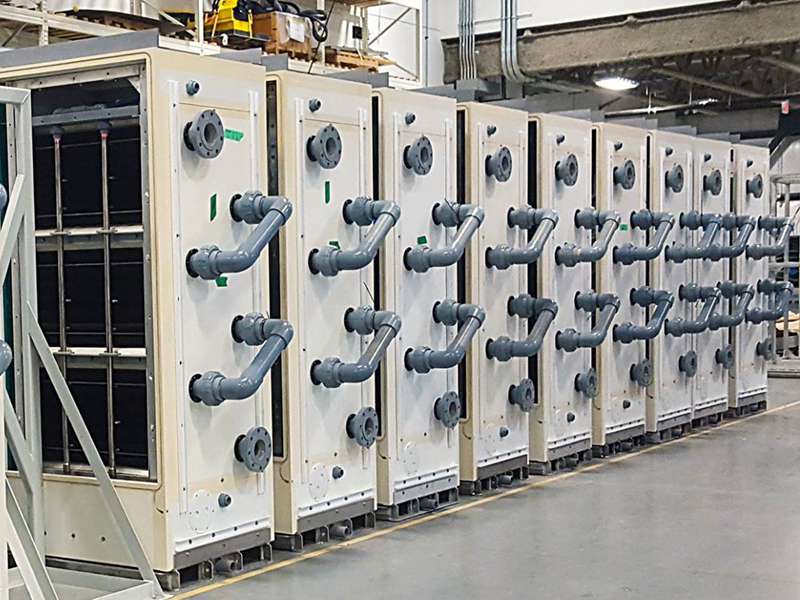
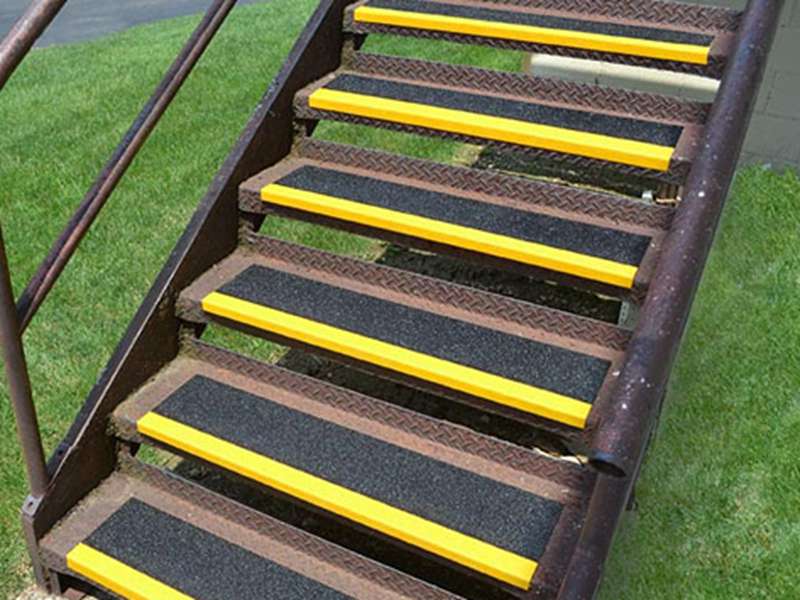
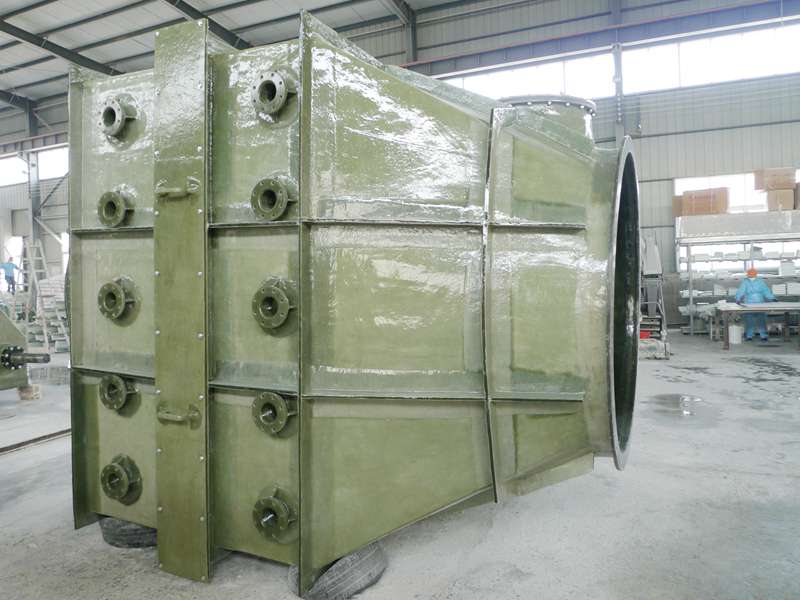
fiberglass for steel smelting plant.
The Role of Fiberglass in Steel Smelting Plants
In the ever-evolving landscape of industrial materials, fiberglass has emerged as a critical resource within steel smelting plants. This composite material, made from fine glass fibers, possesses unique properties that enhance the efficiency and effectiveness of steel production processes. From thermal insulation to corrosion resistance, the applications of fiberglass in steel smelting are diverse and impactful.
1. Understanding Fiberglass
Fiberglass is created by combining silica sand, soda ash, and limestone, which are then melted and drawn into thin fibers. This process results in a material that is lightweight yet remarkably strong. The unique characteristics of fiberglass—such as its resistance to high temperatures, chemical stability, and low thermal conductivity—make it an ideal choice for various industrial applications.
2. Thermal Insulation
One of the most prominent uses of fiberglass in steel smelting plants is for thermal insulation. During steel production, substantial heat is generated, and maintaining optimal temperatures is crucial for both productivity and energy efficiency. Traditional insulation materials may not withstand the extreme conditions found in a smelting environment, but fiberglass can endure high temperatures, often exceeding 1000°C (1832°F).
By incorporating fiberglass insulation into the design of furnaces and other high-temperature equipment, steel smelting plants can minimize heat loss and reduce energy consumption. This not only enhances the overall efficiency of the steel production process but also contributes to cost savings in energy usage.
Steel smelting plants are often home to aggressive chemicals and harsh environmental conditions. As a result, materials used in these facilities must be highly resistant to corrosion. Fiberglass excels in environments where exposure to corrosive substances is inevitable. Unlike metals, fiberglass does not rust or corrode when exposed to chemicals, making it a durable choice for various structural and functional components within a smelting plant.
fiberglass for steel smelting plant.
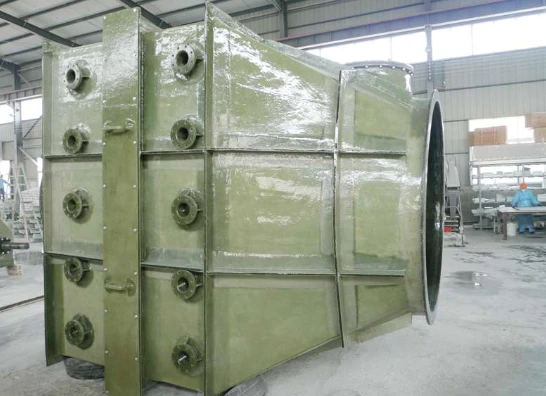
The use of fiberglass components—such as storage tanks, pipes, and ductwork—ensures longevity and reliability, reducing the need for frequent replacements and maintenance.
4. Lightweight and Structural Integrity
The weight of materials used in industrial applications is a critical factor in terms of both cost and efficiency. Fiberglass is significantly lighter than metal alternatives, which can lead to significant savings in terms of transportation and installation. This lightweight nature also allows for more flexible design options within smelting plants, as structures can be designed to accommodate the lighter materials without compromising strength.
Moreover, fiberglass exhibits substantial tensile strength, making it a robust alternative for various construction elements within a steel smelting plant. When properly engineered, fiberglass can support heavy loads, ensuring structural integrity while minimizing the weight burden.
5. Fire Resistance
Fire safety is a paramount concern in steel smelting operations, where the risk of fire hazards is inherently high. Fiberglass is intrinsically fire-resistant, allowing it to act as a barrier to flames and heat. Incorporating fiberglass into the design of smelting facilities can enhance fire safety protocols, helping to protect both equipment and personnel from potential hazards.
6. Conclusion
The integration of fiberglass into steel smelting plants represents a significant advancement in industrial materials engineering. Its exceptional thermal insulation, corrosion resistance, lightweight properties, and fire resistance make it an indispensable asset in the steel production process. As the industry continues to seek efficiency and sustainability, the importance of innovative materials like fiberglass will only grow.
By embracing fiberglass, steel smelting plants can increase operational efficiency, reduce downtime, and contribute to safer working environments. As technology advances and the demand for higher production standards evolves, fiberglass stands poised to play an even more crucial role in the future of steel manufacturing.
Latest news
-
Oblate Tanks: Space-Saving, Durable Liquid Storage SolutionsNewsAug.27,2025
-
High-Performance Piping System Solutions for Industry & Commercial UseNewsAug.26,2025
-
Precision Fittings: Durable & Reliable Industrial & Plumbing SolutionsNewsAug.25,2025
-
Practical Steps: Unlock Success with Our Proven GuidesNewsAug.24,2025
-
Transport Tanks: Safe, Durable & Efficient Liquid HaulingNewsAug.23,2025
-
High-Quality Piping Systems for Efficient Flow & DurabilityNewsAug.22,2025