



Fiberglass Insulation Solutions for Efficient Tank Performance and Energy Savings
Fiberglass Insulation Tanks A Comprehensive Overview
In recent years, the demand for energy efficiency and sustainability in industrial applications has led to an increased interest in advanced insulation solutions. One such innovative option gaining prominence is fiberglass insulation tanks. These tanks are integral in various industries, including petrochemical, food and beverage, pharmaceuticals, and more, where the maintenance of specific temperature and pressure conditions is crucial.
What Are Fiberglass Insulation Tanks?
Fiberglass insulation tanks are storage units designed with fiberglass-reinforced plastics that provide superior thermal insulation. This composite material consists of glass fibers embedded in a resin matrix, resulting in a lightweight yet incredibly strong structure with excellent insulation properties. The primary function of these tanks is to minimize heat transfer and maintain stable temperatures for liquids, gases, or even solids, thereby enhancing overall energy efficiency.
Advantages of Fiberglass Insulation Tanks
1. Energy Efficiency One of the standout benefits of fiberglass insulation tanks is their ability to reduce energy consumption. By minimizing heat loss, these tanks help maintain optimal temperatures, which translates to lower energy bills and reduced greenhouse gas emissions.
2. Corrosion Resistance Fiberglass is inherently resistant to corrosion, making these tanks suitable for storing aggressive chemicals and other corrosive substances. This resistance extends the tank's lifespan, reduces maintenance costs, and enhances safety, particularly in hazardous environments.
3. Lightweight and Durable The lightweight nature of fiberglass means that transportation and installation are more manageable compared to traditional materials like steel or concrete. Nevertheless, these tanks are sturdy and can withstand harsh environmental conditions, making them ideal for various applications.
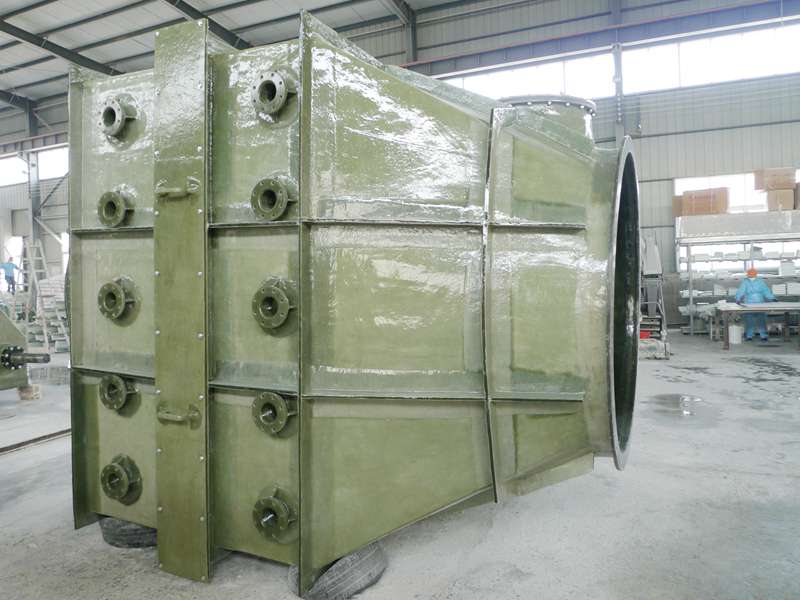
fiberglass insulation tank
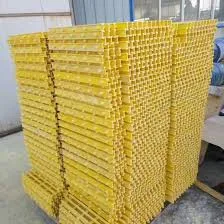
4. Versatility Fiberglass insulation tanks can be manufactured in various sizes and shapes, catering to diverse storage requirements. Whether it is for small-scale applications or large industrial deployments, fiberglass tanks can be customized to meet specific needs.
5. Environmental Benefits Utilizing fiberglass insulation tanks can contribute to a smaller carbon footprint. The energy savings achieved through efficient insulation practices align with global sustainability goals, making these tanks an environmentally friendly choice.
Applications of Fiberglass Insulation Tanks
Fiberglass insulation tanks are versatile and find usage in numerous industries. In the chemical sector, they are used for storing corrosive materials safely. In the food and beverage industry, these tanks maintain the required temperatures for perishable goods, preventing spoilage and ensuring compliance with health regulations. Furthermore, in the pharmaceutical industry, maintaining strict temperature controls is vital for product integrity; fiberglass insulation tanks serve this purpose effectively.
Conclusion
Fiberglass insulation tanks represent a significant advancement in storage technology, marrying efficiency, durability, and safety. As industries increasingly focus on energy conservation and environmental sustainability, these tanks offer a practical solution. Their versatility across various sectors demonstrates their importance in today’s industrial landscape.
As we look ahead, the ongoing innovation in materials and insulation technology will likely enhance the performance of fiberglass insulation tanks even further. This evolution promises to reinforce their role as a fundamental component in the quest for improved energy efficiency and sustainability in industrial applications. Companies looking to invest in efficient storage solutions should consider the long-term benefits that fiberglass insulation tanks can bring to their operations.


Latest news
-
Oblate Tanks: Space-Saving, Durable Liquid Storage SolutionsNewsAug.27,2025
-
High-Performance Piping System Solutions for Industry & Commercial UseNewsAug.26,2025
-
Precision Fittings: Durable & Reliable Industrial & Plumbing SolutionsNewsAug.25,2025
-
Practical Steps: Unlock Success with Our Proven GuidesNewsAug.24,2025
-
Transport Tanks: Safe, Durable & Efficient Liquid HaulingNewsAug.23,2025
-
High-Quality Piping Systems for Efficient Flow & DurabilityNewsAug.22,2025