


Feb . 15, 2025 18:13
Back to list
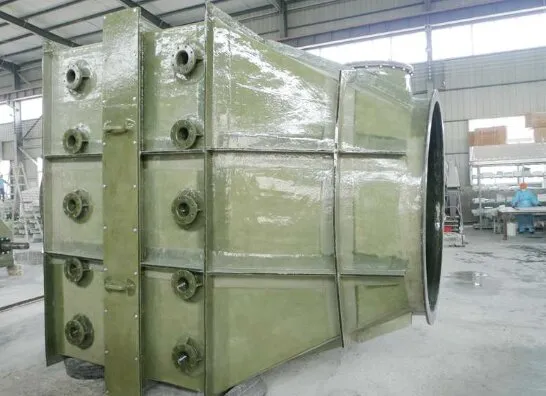
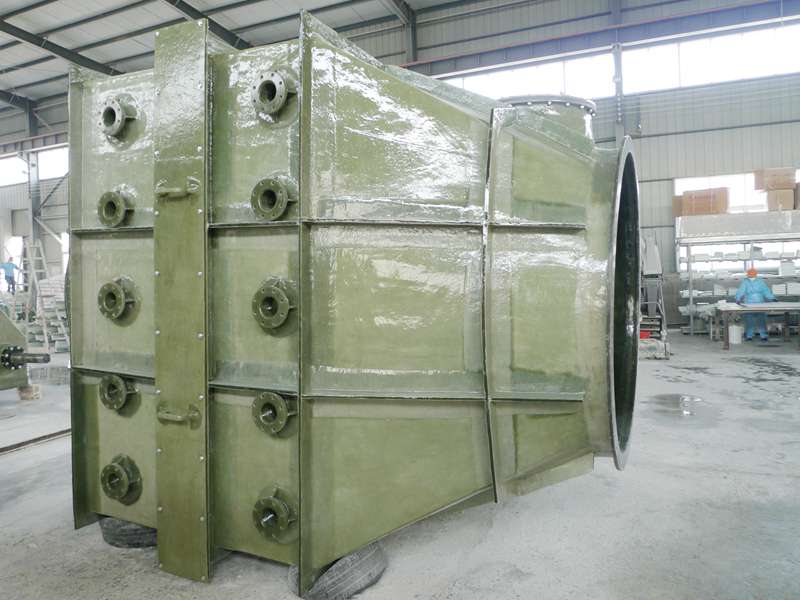
Rectangular Tanks
Fiberglass products engineered to withstand high temperatures have become quintessential in various industrial applications where materials are required to maintain integrity under extreme conditions. Their unique properties accord them a significant advantage in fields ranging from aerospace engineering to chemical processing. This expertise is anchored in the carefully controlled manufacturing processes and the inherent properties of fiberglass composites, which blend robustness with remarkable thermal endurance.
Trust in fiberglass products is further cemented by their authority in fire safety applications. Fire-resistant fiberglass insulation, for example, not only withstands heat but also acts as a barrier against flames and smoke, enhancing overall safety in public and private buildings. This characteristic is tested and validated by global safety standards and certifications, which back up claims made by manufacturers about their product’s performance. These rigorous standards serve as a reliable indicator for consumers and contractors looking to invest in secure, high-temperature solutions. The credibility and trustworthiness of fiberglass products in high-temperature contexts are reinforced by real-world applications and empirical data from industries that demand the utmost reliability. Whether it’s in the construction of heat-resistant engine components or the lining of high-temperature furnaces, the hands-on experiences of technicians and engineers with fiberglass underscore its dependability. Testimonials from these professionals, often documented in industry case studies, provide a practical perspective that complements theoretical expertise, offering prospective clients and end-users a comprehensive understanding of what fiberglass can endure. Moreover, the versatility of fiberglass extends beyond mere temperature resistance, contributing to greater overall efficiencies in environmental management. Fiberglass does not corrode easily, resist moisture and is often produced from recycled glass, aligning with contemporary ecological considerations and promoting sustainable engineering practices. This environmental aspect adds another layer to the authority of fiberglass in industrial solutions, particularly as industries globally pivot towards more sustainable operations. In conclusion, fiberglass products for high temperatures are not only a testament to cutting-edge material science but are supported by verified expertise and authoritative industry practices. With a blend of high thermal resistance, strength, and adaptability to various applications, fiberglass stands out as a reliable choice for industries worldwide. The continuous advancements in composite technology tentatively hint at even broader future applications, ensuring fiberglass remains an inherently trustworthy option for high-temperature industrial needs.
Trust in fiberglass products is further cemented by their authority in fire safety applications. Fire-resistant fiberglass insulation, for example, not only withstands heat but also acts as a barrier against flames and smoke, enhancing overall safety in public and private buildings. This characteristic is tested and validated by global safety standards and certifications, which back up claims made by manufacturers about their product’s performance. These rigorous standards serve as a reliable indicator for consumers and contractors looking to invest in secure, high-temperature solutions. The credibility and trustworthiness of fiberglass products in high-temperature contexts are reinforced by real-world applications and empirical data from industries that demand the utmost reliability. Whether it’s in the construction of heat-resistant engine components or the lining of high-temperature furnaces, the hands-on experiences of technicians and engineers with fiberglass underscore its dependability. Testimonials from these professionals, often documented in industry case studies, provide a practical perspective that complements theoretical expertise, offering prospective clients and end-users a comprehensive understanding of what fiberglass can endure. Moreover, the versatility of fiberglass extends beyond mere temperature resistance, contributing to greater overall efficiencies in environmental management. Fiberglass does not corrode easily, resist moisture and is often produced from recycled glass, aligning with contemporary ecological considerations and promoting sustainable engineering practices. This environmental aspect adds another layer to the authority of fiberglass in industrial solutions, particularly as industries globally pivot towards more sustainable operations. In conclusion, fiberglass products for high temperatures are not only a testament to cutting-edge material science but are supported by verified expertise and authoritative industry practices. With a blend of high thermal resistance, strength, and adaptability to various applications, fiberglass stands out as a reliable choice for industries worldwide. The continuous advancements in composite technology tentatively hint at even broader future applications, ensuring fiberglass remains an inherently trustworthy option for high-temperature industrial needs.
Next:
Latest news
-
Oblate Tanks: Space-Saving, Durable Liquid Storage SolutionsNewsAug.27,2025
-
High-Performance Piping System Solutions for Industry & Commercial UseNewsAug.26,2025
-
Precision Fittings: Durable & Reliable Industrial & Plumbing SolutionsNewsAug.25,2025
-
Practical Steps: Unlock Success with Our Proven GuidesNewsAug.24,2025
-
Transport Tanks: Safe, Durable & Efficient Liquid HaulingNewsAug.23,2025
-
High-Quality Piping Systems for Efficient Flow & DurabilityNewsAug.22,2025