



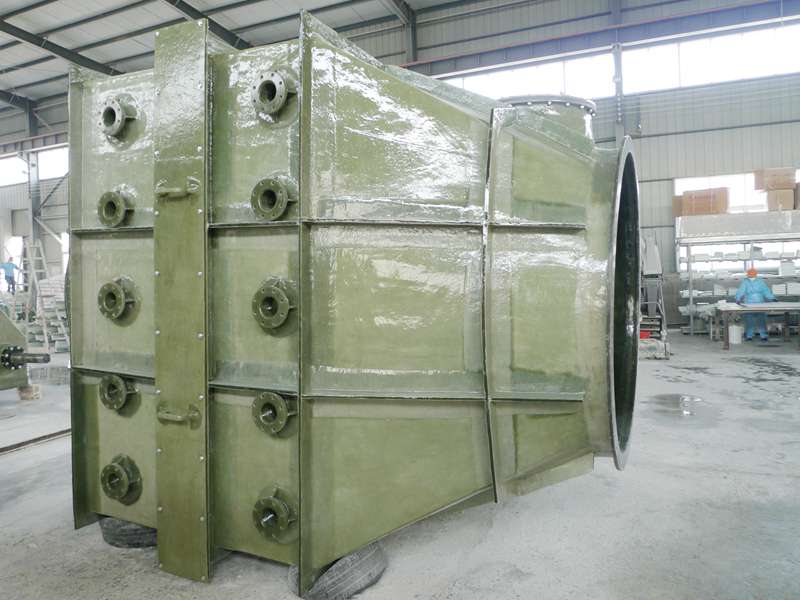
fiberglass products for steel smelting plant
The Role of Fiberglass Products in Steel Smelting Plants
In the realm of industrial manufacturing, particularly in steel smelting, the materials and technologies employed hold paramount importance in enhancing efficiency, safety, and sustainability. One such innovative approach gaining traction is the use of fiberglass products. This article explores the various applications and benefits of fiberglass in steel smelting plants, positioning it as a vital component in modern metallurgical processes.
What is Fiberglass?
Fiberglass, or glass-reinforced plastic (GRP), is a composite material made from a polymer matrix reinforced by fine fibers of glass. It possesses a unique combination of favorable properties, including high strength-to-weight ratio, resistance to corrosion and heat, as well as electrical insulating capabilities. These attributes make fiberglass an ideal candidate for fulfilling a variety of roles in steel smelting operations.
Applications in Steel Smelting
1. Insulation Materials Steel smelting involves extremely high temperatures, often exceeding 1500 degrees Celsius. Maintaining temperature control is crucial for optimal chemical reactions and energy efficiency. Fiberglass products serve as excellent insulation materials due to their low thermal conductivity and ability to withstand high temperatures. They can be used to line furnaces and other equipment, minimizing heat loss and reducing energy consumption.
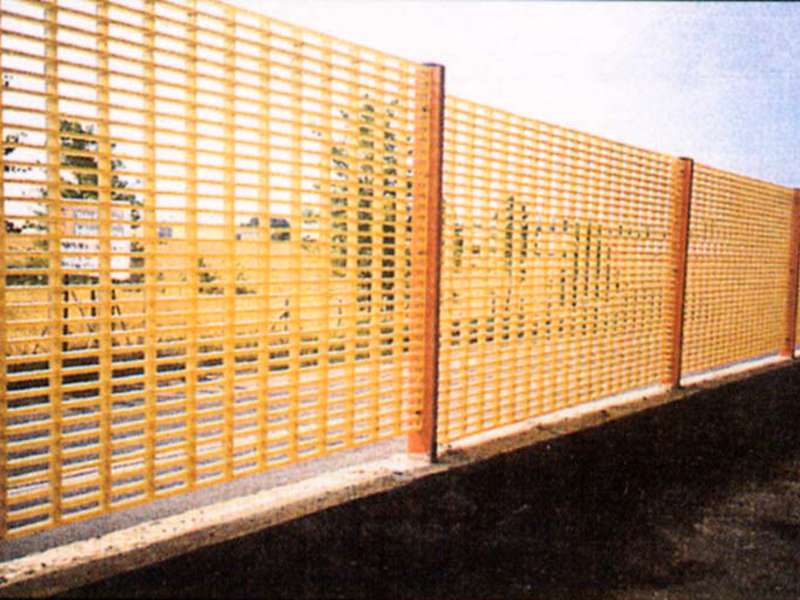
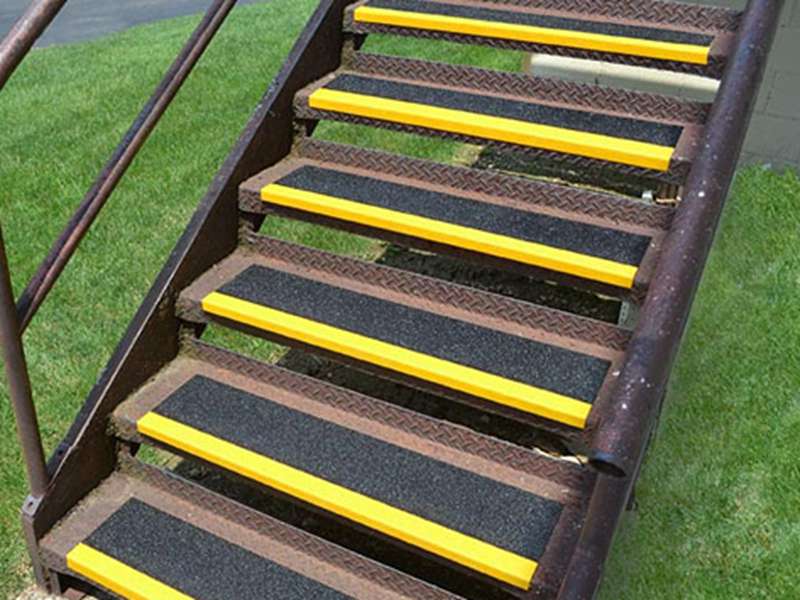
2. Structural Components Fiberglass products can also be employed as structural components in smelting plants. Components such as walkways, platforms, and ladders made from fiberglass are not only lightweight but also offer durability and resistance to corrosive environments commonly found in steel production facilities. Unlike traditional metal constructions, fiberglass structures do not rust or deteriorate, significantly reducing maintenance costs and downtime.
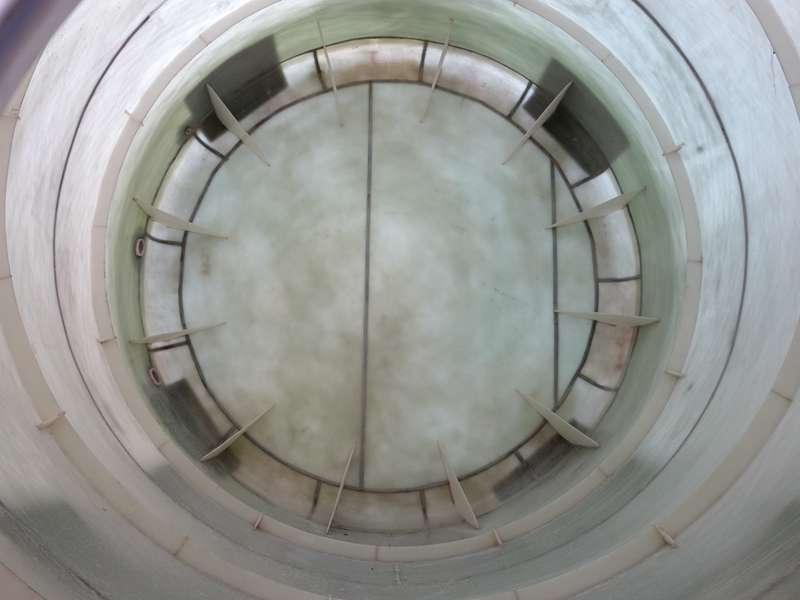
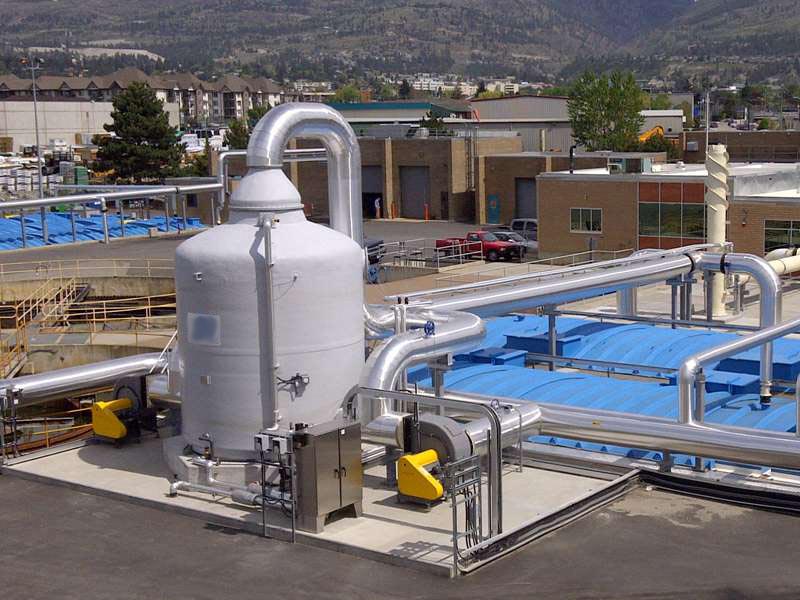
3. Chemical Storage Tanks Given the various chemicals used in the steel-making process, including acids and other corrosive substances, fiberglass is often used for constructing storage tanks. The corrosion resistance of fiberglass ensures that these tanks can store hazardous materials safely without the risk of leakage or contamination.
Benefits of Using Fiberglass Products
fiberglass products for steel smelting plant
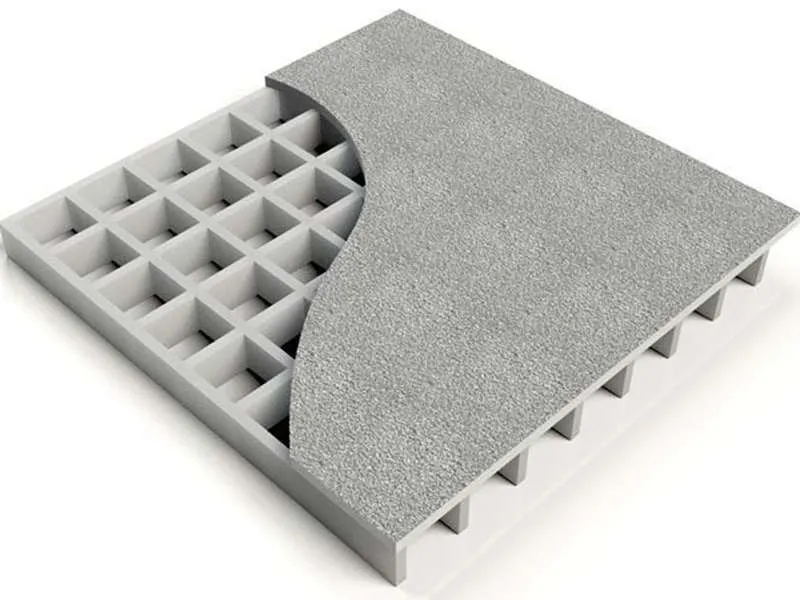
1. Improved Safety Using fiberglass in steel smelting plants enhances workplace safety. The lightweight nature of fiberglass reduces the physical strain on workers when handling equipment. Additionally, fiberglass's non-conductive properties provide electrical insulation, thus decreasing the risk of electrical hazards in environments where moisture and metal components are prevalent.
2. Cost-Effectiveness While the initial investment in fiberglass products may be higher than traditional materials, the long-term savings are substantial. Due to their durability and low maintenance requirements, fiberglass components can lower operational costs significantly. Reduced energy consumption through better insulation also contributes to overall cost savings.
3. Environmental Benefits The steel industry faces increasing scrutiny regarding its environmental impact. Fiberglass products can play a part in mitigating these effects. Their longevity reduces waste generation compared to other materials that may need frequent replacement. Additionally, enhanced energy efficiency helps to lower greenhouse gas emissions associated with steel production.
4. Customizability Fiberglass can be molded into various shapes and sizes, allowing for tailored solutions that fit specific needs in steel smelting operations. Whether it's a unique insulating barrier or a custom storage tank, fiberglass manufacturing can meet diverse operational requirements efficiently.
Challenges and Considerations
Despite the advantages of fiberglass products, several challenges must be addressed. The production of fiberglass can be energy-intensive, and the disposal of fiberglass products can pose environmental concerns if not managed properly. It is essential for steel smelting plants to work with reputable suppliers who prioritize sustainability in both the production and disposal of fiberglass materials.
Conclusion
As the steel industry continues to evolve towards greater efficiency and sustainability, the integration of fiberglass products is poised to offer numerous benefits. Their applications in insulation, structural integrity, and chemical storage not only enhance operational efficiency but also contribute to a safer and more environmentally friendly workplace. Industry leaders must recognize the potential of fiberglass, embracing it as a vital component for the future of steel smelting. By doing so, they can ensure that their operations are not only cost-effective but also aligned with global goals for sustainability and safety in industrial manufacturing.
Latest news
-
Oblate Tanks: Space-Saving, Durable Liquid Storage SolutionsNewsAug.27,2025
-
High-Performance Piping System Solutions for Industry & Commercial UseNewsAug.26,2025
-
Precision Fittings: Durable & Reliable Industrial & Plumbing SolutionsNewsAug.25,2025
-
Practical Steps: Unlock Success with Our Proven GuidesNewsAug.24,2025
-
Transport Tanks: Safe, Durable & Efficient Liquid HaulingNewsAug.23,2025
-
High-Quality Piping Systems for Efficient Flow & DurabilityNewsAug.22,2025