



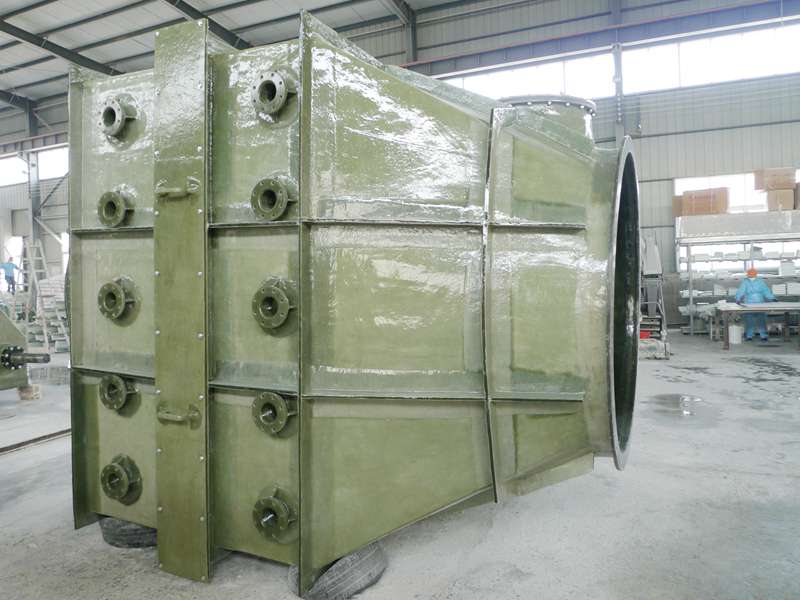
fiberglass products for steel smelting plant
The Role of Fiberglass Products in Steel Smelting Plants
Steel smelting is a critical industrial process that transforms iron ore into molten steel, serving as the backbone of infrastructure and manufacturing. The efficiency and safety of this process rely on various materials and technologies, one of which is fiberglass. As steel smelting plants seek to optimize operations while minimizing environmental impact, fiberglass products have emerged as a valuable asset. In this article, we will explore the applications, benefits, and future potential of fiberglass products within steel smelting facilities.
Understanding Fiberglass
Fiberglass is a composite material made from fine glass fibers, which are woven into a mesh and reinforced with a polymer resin. This combination results in a lightweight yet strong material that is resistant to corrosion, high temperatures, and chemical exposure. Its properties make fiberglass an ideal candidate for use in demanding environments such as steel smelting plants.
Applications of Fiberglass in Steel Smelting
One of the primary uses of fiberglass in steel smelting is in the construction of equipment and components. For instance, fiberglass can be used to manufacture various types of tanks and containers for storing corrosive materials, such as chemicals utilized in the smelting process. Traditional materials, such as steel or aluminum, may corrode over time when exposed to such substances; fiberglass, on the other hand, provides a longer lifespan with minimal maintenance.
Fiberglass is also employed as insulation material. Effective insulation is crucial within smelting operations, where furnaces and kilns can reach extreme temperatures. By utilizing fiberglass insulation, steel smelting plants can improve energy efficiency by minimizing heat loss, thus reducing operational costs and lowering energy consumption. This is not only economically advantageous but also environmentally beneficial, as it contributes to a reduction in greenhouse gas emissions.
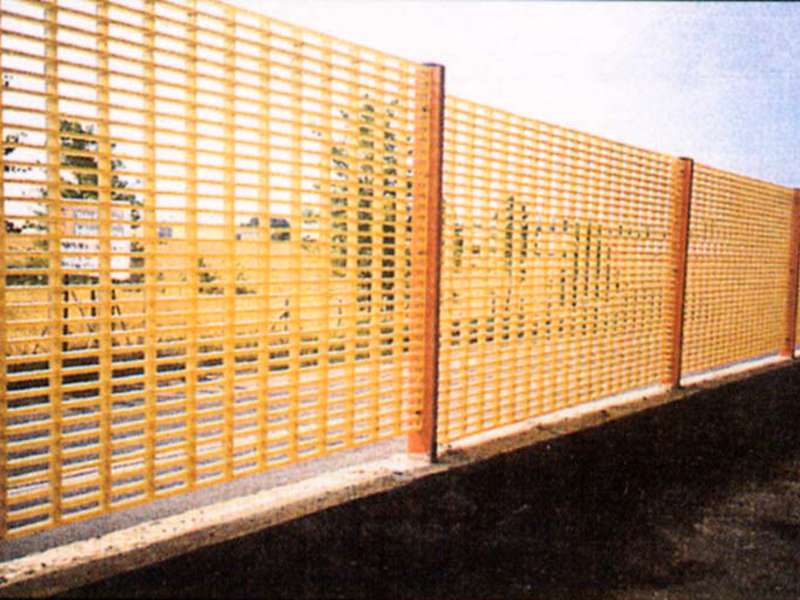
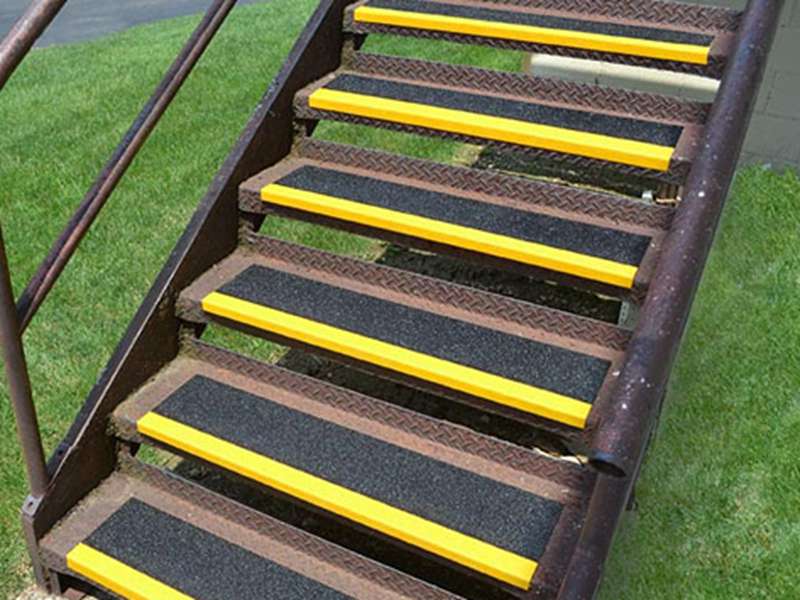
Furthermore, fiberglass reinforcements can be incorporated into structural components, enhancing the strength and durability of machinery used in steel production. For example, fiberglass-reinforced polymers (FRPs) can be utilized in the construction of ladders, platforms, and safety railings, ensuring worker safety while maintaining structural integrity.
Benefits of Fiberglass Products
fiberglass products for steel smelting plant
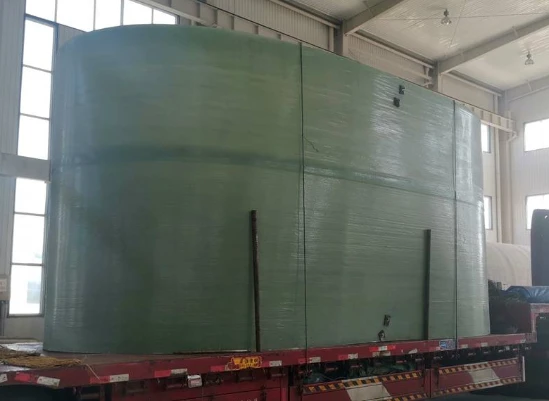
The adoption of fiberglass products in steel smelting plants comes with numerous benefits. Firstly, their resistance to corrosion extends the life of equipment and structures, resulting in lower replacement and maintenance costs. Additionally, fiberglass is lightweight compared to traditional materials, making it easier to handle and install, which can lead to reduced labor costs and increased operational efficiencies.
Moreover, fiberglass contributes to enhanced safety. Traditional materials can sometimes pose risks, such as rust or sharp edges. The smooth surfaces of fiberglass components reduce such hazards, promoting a safer working environment for employees.
Another notable advantage is the energy efficiency offered by fiberglass insulation. With the rising costs of energy and increasing regulatory pressures regarding emissions, the ability to improve thermal management through effective insulation is a significant benefit for steel smelting plants. This not only helps in controlling operational costs but also aligns with global sustainability goals.
Future Potential
As the steel industry continues to evolve, so too does the potential for fiberglass products. Innovations in manufacturing processes and composite materials present opportunities for enhanced performance and new applications within smelting facilities. For instance, the integration of advanced composite technologies could lead to lighter, stronger, and more adaptable fiberglass products tailored specifically for the unique challenges of steel production.
Additionally, as environmental regulations become increasingly stringent, the demand for materials that offer both durability and sustainability will likely grow. Fiberglass, with its long service life and low environmental impact, is well-positioned to meet these demands.
Conclusion
In conclusion, fiberglass products play a vital role in the operational efficiency and safety of steel smelting plants. From corrosion-resistant storage tanks to effective insulation and durable structural components, fiberglass addresses many challenges faced by the industry today. As innovations continue to unfold, the future of fiberglass in steel smelting holds great promise, paving the way for enhanced sustainability and performance in one of the world's most essential industries.
Latest news
-
Oblate Tanks: Space-Saving, Durable Liquid Storage SolutionsNewsAug.27,2025
-
High-Performance Piping System Solutions for Industry & Commercial UseNewsAug.26,2025
-
Precision Fittings: Durable & Reliable Industrial & Plumbing SolutionsNewsAug.25,2025
-
Practical Steps: Unlock Success with Our Proven GuidesNewsAug.24,2025
-
Transport Tanks: Safe, Durable & Efficient Liquid HaulingNewsAug.23,2025
-
High-Quality Piping Systems for Efficient Flow & DurabilityNewsAug.22,2025