



Durable Fiberglass Reinforced Plastic Tanks for Various Industrial Applications and Storage Solutions
The Versatility of Fiberglass Reinforced Plastic Tanks
Fiberglass Reinforced Plastic (FRP) tanks have emerged as a popular choice across various industries due to their exceptional durability, corrosion resistance, and lightweight properties. With the increasing demand for efficient and reliable storage solutions, FRP tanks are increasingly being utilized in sectors such as water treatment, chemical processing, and agriculture. This article explores the benefits, applications, and considerations regarding the use of fiberglass reinforced plastic tanks.
What is Fiberglass Reinforced Plastic?
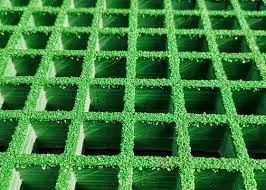
FRP is a composite material made from a polymer matrix reinforced with fiberglass fibers. This combination provides an impressive blend of strength, flexibility, and resistance to various environmental conditions. When manufactured into tanks, FRP exhibits superior properties compared to traditional storage options like metal or concrete. The lightweight nature of FRP makes it easier to install and transport, while its structural integrity ensures long-lasting performance.
Benefits of FRP Tanks
1. Corrosion Resistance One of the standout features of FRP tanks is their ability to resist corrosion from harsh chemicals and environmental factors. Unlike metal tanks, which can rust and degrade over time, FRP tanks can withstand a wide range of chemicals, making them ideal for the storage of aggressive substances.
2. Lightweight and Easy to Install The lightweight nature of fiberglass reinforced plastic allows for easier transportation and installation. This can lead to reduced labor costs and faster installation times, particularly for larger tanks.
3. Longevity FRP tanks are designed for durability. With proper maintenance, they can last for decades, reducing the frequency of replacements and leading to lower overall costs in the long run.
4. Insulation Properties FRP tanks can be designed with insulation properties, which is especially beneficial for storing temperature-sensitive materials. This capability helps maintain the desired temperature of the contents, enhancing their usability.
5. Customization FRP tanks can be easily customized to meet specific needs, including size, shape, and intended use. This flexibility allows industries to optimize their operations and storage solutions.
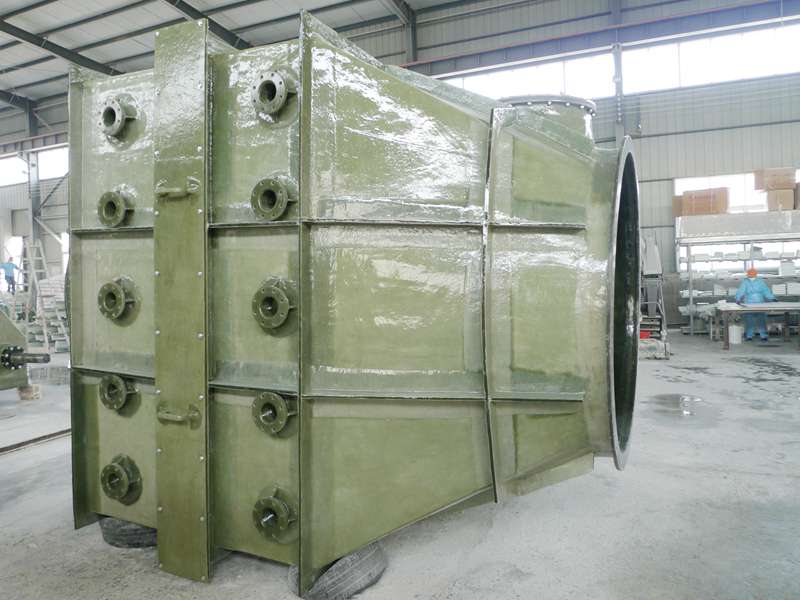
fiberglass reinforced plastic tank
Applications of FRP Tanks
FRP tanks find applications in a plethora of fields
- Water and Wastewater Treatment In facilities that treat water and wastewater, FRP tanks are employed for storing chemicals, sludge, and treated water. Their corrosion resistance and ability to hold large volumes make them a preferred choice.
- Chemical Processing Many chemicals, acids, and solvents can cause severe corrosion in traditional tanks. FRP tanks can safely store these substances, ensuring the integrity of both the tank and the chemical itself.
- Food and Beverage Industry In this sector, FRP tanks are used for fermentation, storage, and transportation of various products due to their hygienic properties and ease of cleaning.
- Agriculture Farmers use FRP tanks for storing fertilizers, pesticides, and water, benefiting from their resistance to chemical reactions and environmental wear.
Considerations When Choosing FRP Tanks
While FRP tanks offer numerous advantages, it is essential to consider several factors before making a purchase. The specific requirements of the intended application—such as temperature range, chemical compatibility, and pressure ratings—should be thoroughly evaluated. Additionally, it's crucial to choose high-quality manufacturers who adhere to industry standards to ensure the integrity and safety of the tanks.
Conclusion
Fiberglass reinforced plastic tanks represent a significant advancement in storage solutions, providing unmatched durability and versatility across various industries. Their resistance to corrosion, lightweight nature, longevity, and customization options position them as a leading choice for businesses looking to enhance their operational efficiencies. As industries continue to seek innovative solutions to meet demands, the use of FRP tanks is likely to expand, further solidifying their role in modern infrastructure and technology.



Latest news
-
Oblate Tanks: Space-Saving, Durable Liquid Storage SolutionsNewsAug.27,2025
-
High-Performance Piping System Solutions for Industry & Commercial UseNewsAug.26,2025
-
Precision Fittings: Durable & Reliable Industrial & Plumbing SolutionsNewsAug.25,2025
-
Practical Steps: Unlock Success with Our Proven GuidesNewsAug.24,2025
-
Transport Tanks: Safe, Durable & Efficient Liquid HaulingNewsAug.23,2025
-
High-Quality Piping Systems for Efficient Flow & DurabilityNewsAug.22,2025