



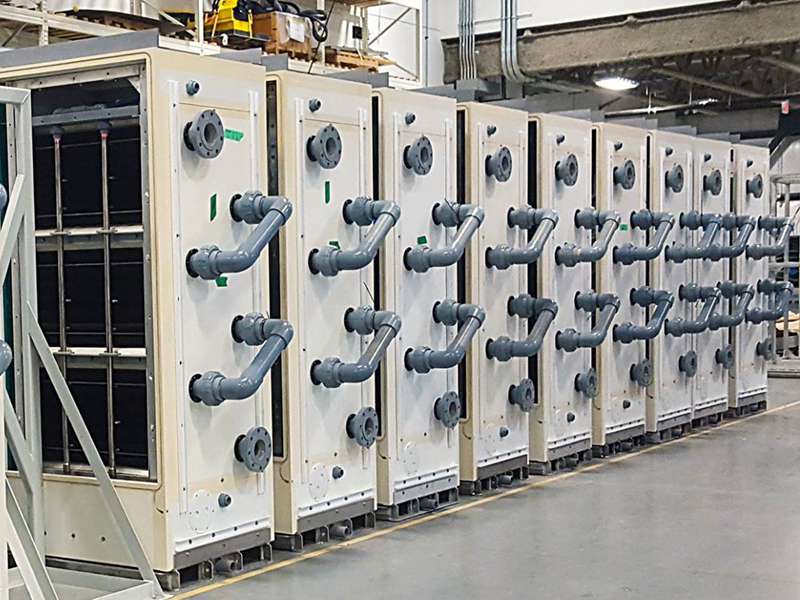
fiberglass reinforced plastic tank
The Advantages and Applications of Fiberglass Reinforced Plastic Tanks
Fiberglass reinforced plastic (FRP) tanks have become increasingly popular in a variety of industries due to their unique combination of lightweight properties, high strength, and exceptional corrosion resistance. These tanks, made from a polymer matrix reinforced with fiberglass fibers, offer a durable solution for storage and transportation needs across multiple sectors, including water treatment, chemicals, food processing, and wastewater management.
One of the primary benefits of FRP tanks is their impressive resistance to chemical corrosion. Unlike traditional materials such as steel or concrete, which may degrade when exposed to harsh chemicals, fiberglass reinforced plastic is inherently resistant to a wide range of substances. This makes FRP tanks ideal for storing aggressive chemicals, acids, and alkalis. Industries that handle such materials can avoid the costly maintenance and replacement associated with traditional storage options.
In addition to chemical resistance, FRP tanks are renowned for their lightweight nature. Compared to conventional storage tanks, fiberglass tanks are significantly lighter, making them easier and more cost-effective to transport and install. The reduced weight also allows for the use of smaller support structures, which can lead to further savings in construction and installation costs. This advantage is particularly beneficial in remote or difficult-to-access locations, where heavy equipment may not be available.
Moreover, the strength-to-weight ratio of fiberglass reinforced plastic is exceptional. These tanks can be designed to withstand high pressures, making them suitable for applications where traditional materials may not suffice. The structural integrity of FRP tanks allows them to be manufactured in various shapes and sizes, accommodating the specific needs of different industries. Customization is a key factor in their appeal, as businesses can optimize storage solutions according to their operational requirements.
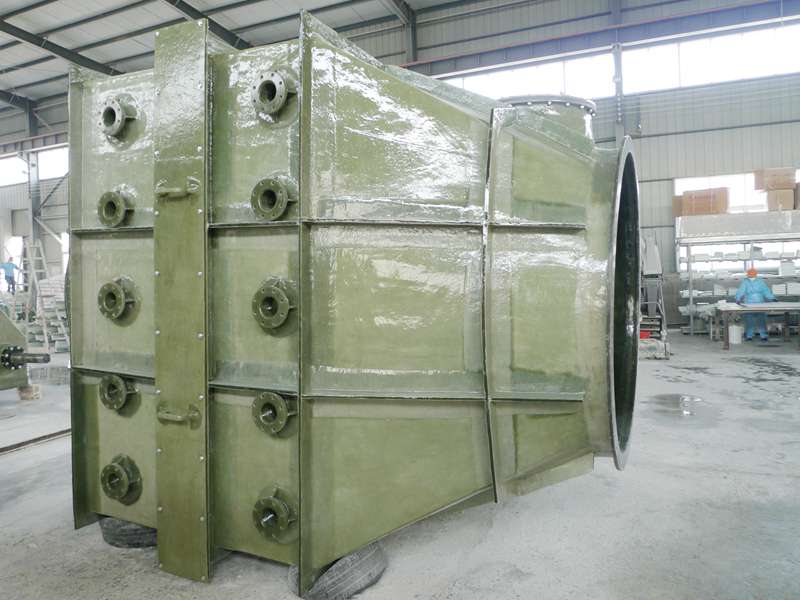
fiberglass reinforced plastic tank
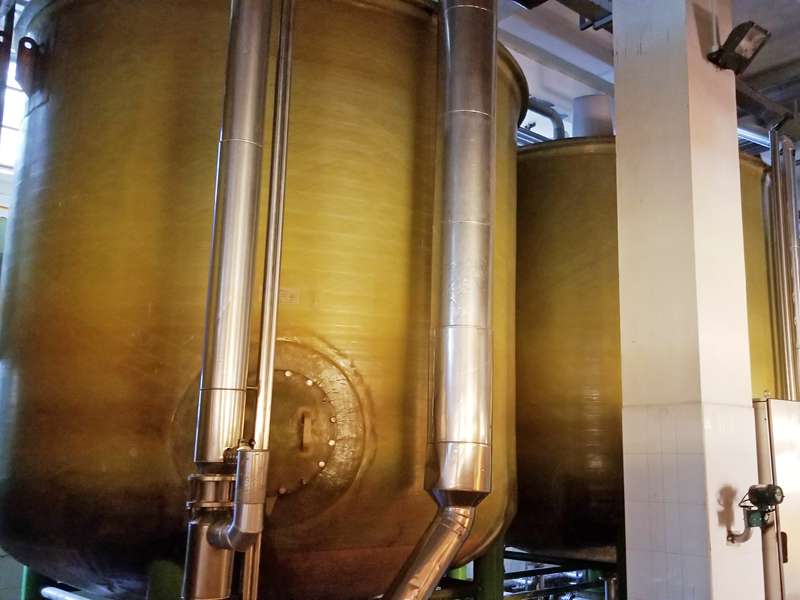
FRP tanks also provide significant thermal insulation benefits. Unlike metallic tanks, which conduct heat and can affect the temperature of their contents, fiberglass tanks can minimize temperature fluctuations, making them ideal for storing temperature-sensitive materials. This feature is particularly advantageous in industries like food and beverage processing, where maintaining specific temperatures is crucial for ensuring product quality and safety.
Another critical aspect of FRP tanks is their durability and longevity. With proper maintenance, fiberglass reinforced plastic tanks can last for decades without requiring significant repairs. They are resistant to UV radiation, minimizing the risk of degradation when exposed to sunlight. This long lifespan translates into lower lifecycle costs for businesses, as they enjoy years of reliable performance without the frequent downtime associated with tank failures or repairs.
From a sustainability perspective, FRP tanks contribute positively to environmental goals. The manufacturing process for fiberglass reinforced plastic can be more environmentally friendly than that of traditional storage materials. Furthermore, FRP tanks can be produced with recycled materials, enhancing their sustainability profile. As industries increasingly prioritize eco-friendly practices, the use of FRP tanks can align with their sustainability initiatives.
In terms of applications, fiberglass reinforced plastic tanks are versatile. They are widely used in water treatment plants for storing potable water and chemicals used in purification processes. In the chemical industry, they are utilized for the safe storage of various hazardous materials. Additionally, FRP tanks play a vital role in the agricultural sector, where they are used for storing fertilizers and pesticides. In the food industry, these tanks are employed for storing liquids, such as juices and syrups, due to their resistance to contamination.
In conclusion, fiberglass reinforced plastic tanks offer a myriad of advantages over traditional storage solutions. Their resistance to chemical corrosion, lightweight nature, high strength, thermal insulation properties, durability, and sustainability make them a preferred choice across various industries. As technology advances and industries continue to seek innovative solutions for storage and transportation challenges, the use of FRP tanks is expected to grow, further solidifying their role as essential components in modern industrial applications. With their adaptability and resilience, fiberglass reinforced plastic tanks represent a promising solution for a wide array of needs in today’s economic landscape.



Latest news
-
Oblate Tanks: Space-Saving, Durable Liquid Storage SolutionsNewsAug.27,2025
-
High-Performance Piping System Solutions for Industry & Commercial UseNewsAug.26,2025
-
Precision Fittings: Durable & Reliable Industrial & Plumbing SolutionsNewsAug.25,2025
-
Practical Steps: Unlock Success with Our Proven GuidesNewsAug.24,2025
-
Transport Tanks: Safe, Durable & Efficient Liquid HaulingNewsAug.23,2025
-
High-Quality Piping Systems for Efficient Flow & DurabilityNewsAug.22,2025