



fiberglass shell
The Versatility of Fiberglass Shells A Comprehensive Overview
Fiberglass shells have emerged as a revolutionary material in various industries, ranging from automotive and maritime to construction and consumer goods. Composed primarily of glass fibers and resin, these shells are celebrated for their strength, durability, and lightweight properties. This article delves into the characteristics, advantages, applications, and future prospects of fiberglass shells.
Characteristics of Fiberglass Shells
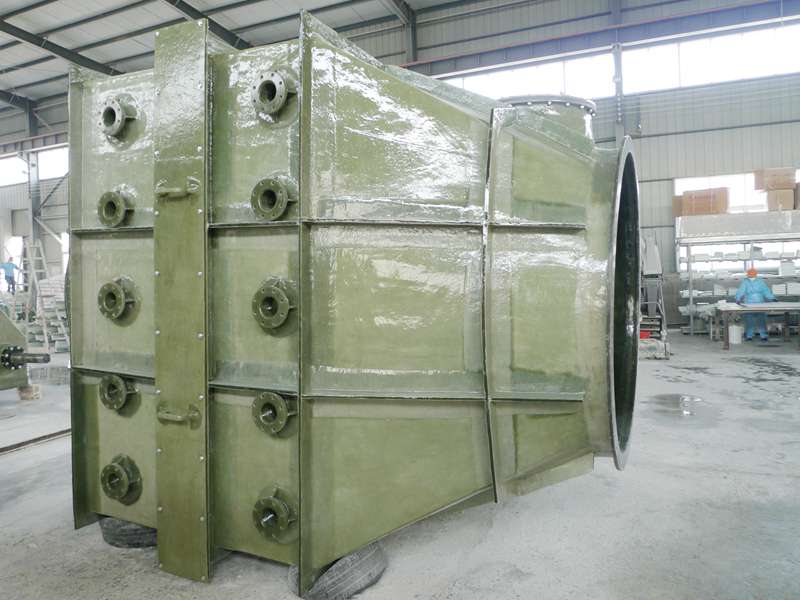
Fiberglass, or glass-reinforced plastic (GRP), is made by weaving glass fibers into a matrix and then saturating them with a polymer resin. This combination results in a material that exhibits excellent tensile strength, flexibility, and resistance to chemical corrosion. The shells can be molded into a variety of shapes, making them adaptable for diverse applications. Another remarkable feature of fiberglass is its thermal insulation properties, which enhance its suitability in environments with extreme temperatures.
Advantages of Fiberglass Shells
One of the primary advantages of fiberglass shells is their lightweight nature. Compared to traditional materials like metal or wood, fiberglass offers significant weight reductions while maintaining structural integrity. This characteristic is especially beneficial in the automotive and aerospace industries, where reducing weight can lead to improved fuel efficiency and performance.
Furthermore, fiberglass shells are highly resistant to environmental factors, which include moisture, UV radiation, and chemicals. This resilience makes them ideal for marine applications, such as boat hulls and offshore platforms. The longevity associated with fiberglass also contributes to reduced maintenance costs over time, making it an economically advantageous choice.
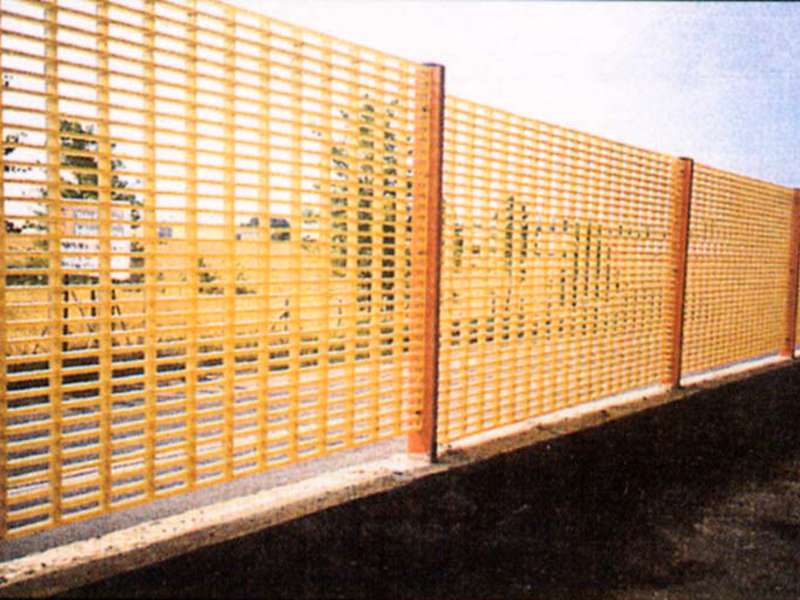
Another notable attribute is the versatility in design. Fiberglass can be easily molded and painted, allowing for customization and aesthetic appeal. This feature is particularly advantageous in industries that prioritize branding and consumer attraction, such as in the manufacturing of consumer goods and sporting equipment.
fiberglass shell
Applications of Fiberglass Shells
The applications of fiberglass shells are vast and varied. In the automotive sector, manufacturers use fiberglass to create body panels and components that are both lightweight and durable. This not only enhances vehicle performance but also allows for more creative designs.
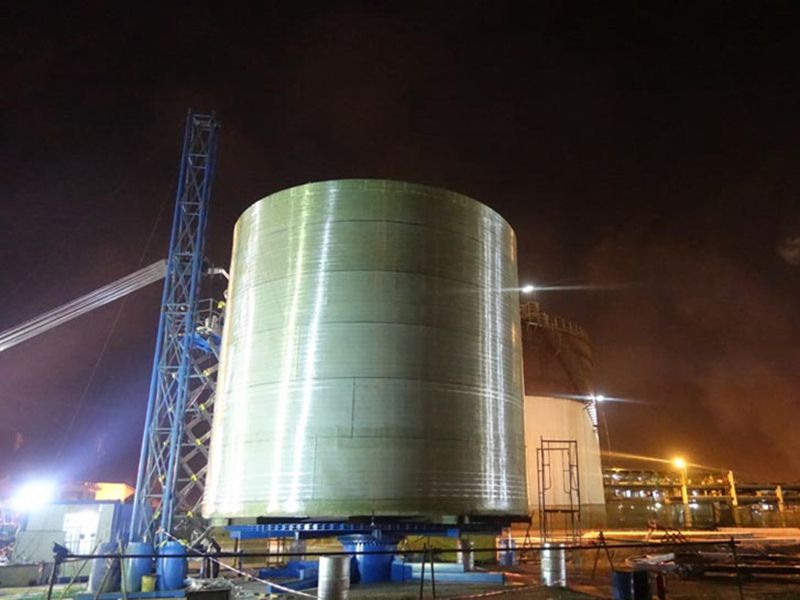
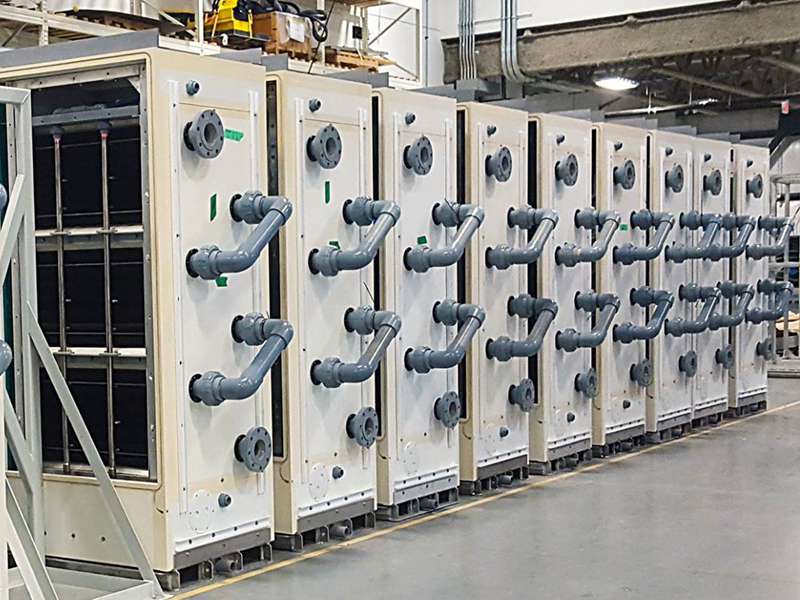
In the maritime industry, fiberglass has become a preferred choice for constructing boat hulls, sails, and even underwater structures. Its ability to withstand harsh marine environments while providing buoyancy is unmatched by many traditional materials. Additionally, fiberglass is widely utilized in the production of storage tanks and piping systems where chemical resistance is crucial.
In the realm of construction, fiberglass shells are employed for insulation panels, roofing systems, and cladding. Their lightweight and tough nature complements modern construction techniques, enhancing energy efficiency and providing structural support.
The Future of Fiberglass Shells
As technology advances, the future of fiberglass is bright. Research is ongoing to improve the material's properties, including enhancing its recyclability. This is a pressing concern, as environmental sustainability becomes increasingly important across all industries. Innovations in bio-resins and greener production processes are on the horizon, which could lead to environmentally friendly fiberglass solutions.
Moreover, the rise of smart materials and composites presents an opportunity for the integration of advanced technologies into fiberglass shells. For instance, embedding sensors within fiberglass structures could lead to real-time monitoring of stress and environmental conditions, enhancing safety and maintenance practices.
In conclusion, fiberglass shells represent a remarkable advancement in material science. Their unique combination of strength, lightweight, and resistance properties enables them to cater to a plethora of industries. As research and technology continue to evolve, the flexibility and application of fiberglass shells are likely to expand even further, paving the way for innovative solutions in the future. Whether in automotive design, marine construction, or sustainable building practices, fiberglass shells are poised to play a significant role in our increasingly complex world.

Latest news
-
Oblate Tanks: Space-Saving, Durable Liquid Storage SolutionsNewsAug.27,2025
-
High-Performance Piping System Solutions for Industry & Commercial UseNewsAug.26,2025
-
Precision Fittings: Durable & Reliable Industrial & Plumbing SolutionsNewsAug.25,2025
-
Practical Steps: Unlock Success with Our Proven GuidesNewsAug.24,2025
-
Transport Tanks: Safe, Durable & Efficient Liquid HaulingNewsAug.23,2025
-
High-Quality Piping Systems for Efficient Flow & DurabilityNewsAug.22,2025