

Fiberglass Weirs for Efficient Water Flow Management and Environmental Protection
The Importance of Fiberglass Weirs in Water Management
Water management is a critical component of environmental sustainability and infrastructure development. One innovative solution that has gained traction in recent years is the fiberglass weir. Weirs serve as crucial structures in river management, irrigation, and water treatment facilities. The introduction of fiberglass in the design and manufacturing of weirs has brought about significant advantages, enhancing their functionality, durability, and environmental compatibility.
Understanding Weirs
A weir is a structure built across an open channel to regulate water flow. Traditionally constructed from concrete or steel, weirs have been integral to various applications, including flood control, water diversion, and ecological restoration. They allow for the measurement of water flow levels, which is vital for effective water resource management.
Advantages of Fiberglass
Fiberglass, a composite material made of plastic reinforced with glass fibers, offers several benefits over traditional materials.
1. Corrosion Resistance One of the most significant advantages of fiberglass is its resistance to corrosion. Unlike metal structures, which can degrade over time due to exposure to water and chemicals, fiberglass weirs remain intact and operational even in harsh environments. This longevity reduces maintenance costs and increases the lifespan of the weir.
2. Lightweight Weirs made from fiberglass are considerably lighter than their concrete or steel counterparts. This lightweight nature simplifies the transportation and installation process, making it feasible to set up weirs in remote or difficult-to-access locations without heavy machinery.
3. Customizability Fiberglass can be easily molded into various shapes and sizes, allowing for customized designs to meet specific project requirements. Whether for small streams or large rivers, fiberglass weirs can be tailored to accommodate local topographies and flow conditions.
4. Eco-Friendliness The production and use of fiberglass weirs can also be more environmentally friendly. Fiberglass manufacturing processes are generally less resource-intensive than those for steel or concrete. Furthermore, because fiberglass does not leach harmful chemicals into waterways, it helps maintain water quality.
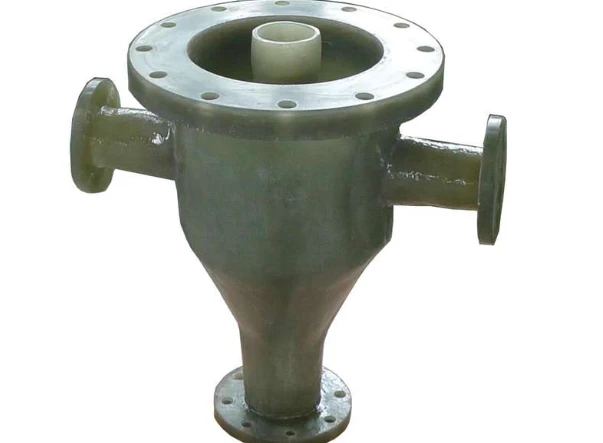
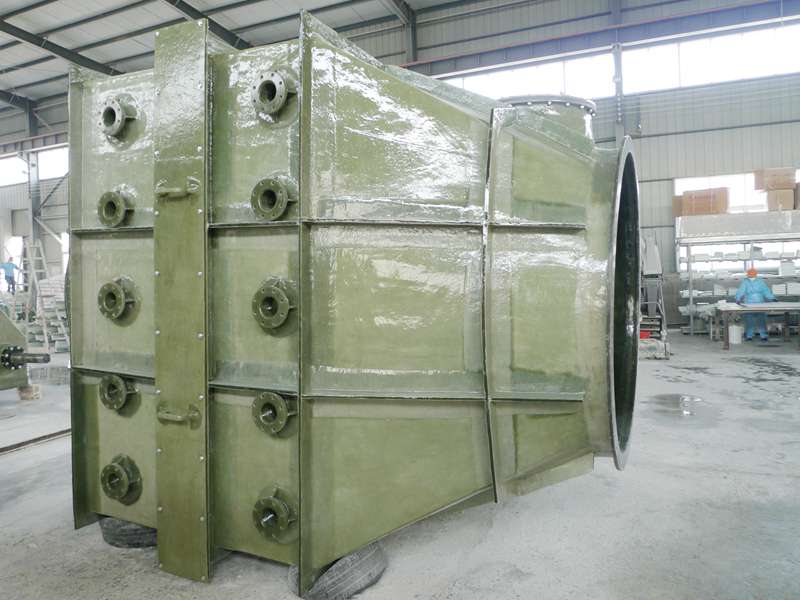
fiberglass weir
5. Cost-Effectiveness Despite the initial investment in fiberglass materials, the long-term savings associated with lower maintenance and replacement costs typically outweigh the upfront expenses. Governments and organizations can save significant amounts of money over the lifespan of a fiberglass weir.
Applications of Fiberglass Weirs
Fiberglass weirs are increasingly being employed in various applications
- Agricultural Irrigation Farmers utilize fiberglass weirs to manage and optimize water usage for irrigation, ensuring that crops receive the right amount of water without wastage.
- Flood Control In regions prone to flooding, fiberglass weirs can effectively regulate water levels and mitigate flood risks, protecting both agricultural land and human settlements.
- Environmental Restoration Fiberglass weirs play a role in restoring natural habitats by creating barriers that regulate flow, allowing for the re-establishment of ecosystems that depend on specific water conditions.
- Water Quality Monitoring Many modern water treatment facilities incorporate fiberglass weirs to monitor and manage water quality, ensuring compliance with environmental regulations.
Conclusion
In conclusion, fiberglass weirs represent a significant advancement in the field of water management. Their inherent properties—corrosion resistance, lightweight design, customizability, environmental safety, and cost-effectiveness—make them an ideal choice for various applications. As we continue to face challenges related to water scarcity and environmental degradation, the adoption of fiberglass technology in weir construction stands out as a proactive approach. By integrating innovative materials and designs into water management strategies, we can enhance the sustainability of our water resources and pave the way for a more resilient future. As awareness of these benefits grows, we can expect to see an increasing number of fiberglass weirs installed across diverse landscapes, contributing to improved water management practices globally.
Latest news
-
Oblate Tanks: Space-Saving, Durable Liquid Storage SolutionsNewsAug.27,2025
-
High-Performance Piping System Solutions for Industry & Commercial UseNewsAug.26,2025
-
Precision Fittings: Durable & Reliable Industrial & Plumbing SolutionsNewsAug.25,2025
-
Practical Steps: Unlock Success with Our Proven GuidesNewsAug.24,2025
-
Transport Tanks: Safe, Durable & Efficient Liquid HaulingNewsAug.23,2025
-
High-Quality Piping Systems for Efficient Flow & DurabilityNewsAug.22,2025