



fiber reinforced plastic tank
Fiber-Reinforced Plastic Tanks A Sustainable Solution for Water Storage
In recent years, the demand for efficient and durable water storage solutions has surged, driven by the need for sustainable practices across various industries. Fiber-reinforced plastic (FRP) tanks have emerged as a promising alternative to traditional materials like steel and concrete, offering unique advantages that cater to the modern requirements for water storage.
Understanding Fiber-Reinforced Plastics
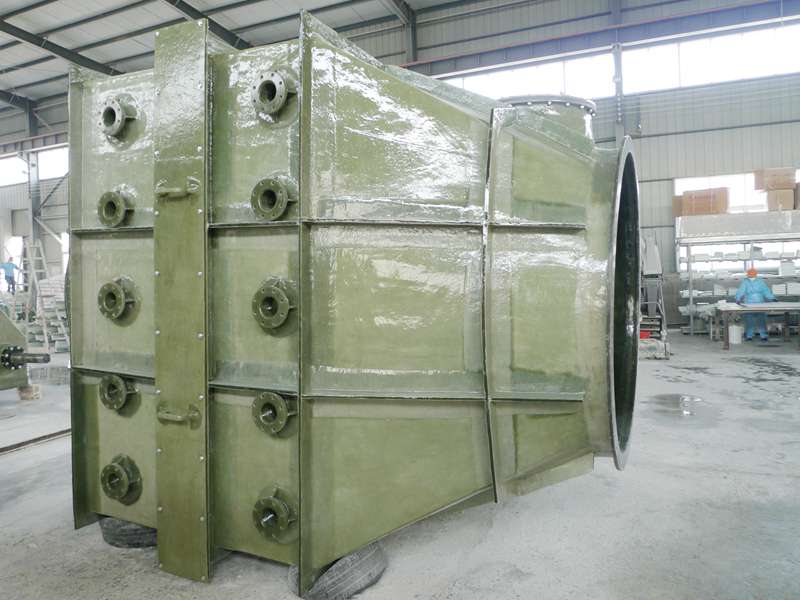
Fiber-reinforced plastics are composite materials made from a polymer matrix reinforced with fibers, commonly glass or carbon. These materials combine the beneficial properties of both components, resulting in a lightweight, high-strength product with excellent chemical resistance and durability. The versatility of FRP allows for the creation of tanks in various shapes and sizes, making them suitable for a wide range of applications, including water storage, wastewater treatment, and chemical processing.
Advantages of FRP Tanks
1. Corrosion Resistance One of the most significant benefits of fiber-reinforced plastic tanks is their exceptional resistance to corrosion. Unlike metal tanks that can rust and degrade over time, FRP tanks are impervious to harsh chemicals and environmental conditions. This characteristic ensures long-term performance and reduces maintenance costs, making them a cost-effective choice in the long run.
2. Lightweight Design FRP tanks are considerably lighter than their metal or concrete counterparts. This lightweight property facilitates easier transportation and installation, reducing the overall labor and equipment costs associated with setup. Additionally, their lower weight decreases the impact on supporting structures, making them ideal for situations where weight is a concern.
fiber reinforced plastic tank
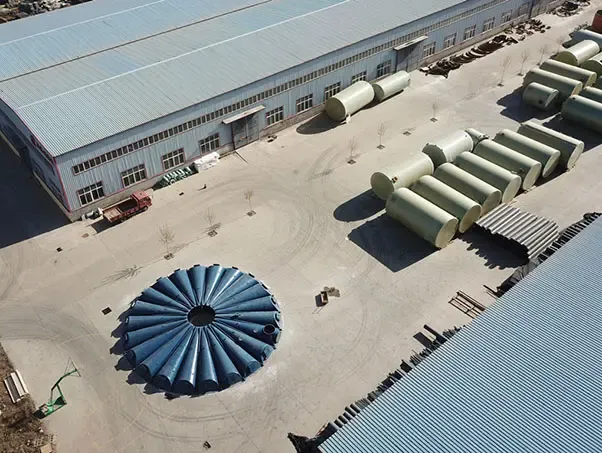
3. Customizable The manufacturing process of FRP tanks allows for high levels of customization. They can be designed to meet specific size, shape, and capacity requirements, providing unparalleled flexibility for various applications. This adaptability also means that businesses can develop solutions tailored to their unique needs, optimizing their storage capabilities.
4. Sustainability As industries become increasingly focused on sustainability, FRP tanks align with these goals. Many FRP tanks are manufactured using renewable resources and are designed for energy efficiency. Their resistance to chemical leaching also means that they do not contaminate the stored water, contributing to better environmental outcomes.
5. Thermal Insulation FRP has inherent thermal insulation properties, which can be beneficial for temperature-sensitive applications. This characteristic helps in maintaining the desired temperature of the stored liquid, thus preventing unwanted thermal fluctuations that can affect water quality or the integrity of stored materials.
Applications of FRP Tanks
The versatility of fiber-reinforced plastic tanks has led to their adoption in various sectors. In the agricultural industry, they are used for irrigation water storage, ensuring a consistent water supply for crops. In municipal settings, FRP tanks safely store potable water, contributing to community health and safety. Additionally, industries that handle corrosive chemicals have found FRP tanks to be indispensable, providing safe storage solutions without the risk of contamination.
Conclusion
As the world increasingly recognizes the importance of sustainable practices and efficient resource management, fiber-reinforced plastic tanks stand out as a robust and adaptable solution for water storage. Their combination of strength, resistance to corrosion, lightweight design, and customization options makes them a practical choice for a variety of applications. By investing in FRP technology, industries can enhance their water storage capabilities while also contributing to environmental sustainability. As we look to the future, the role of fiber-reinforced plastic in water management is expected to grow, offering innovative solutions that align with the global push for greener practices.


Latest news
-
Oblate Tanks: Space-Saving, Durable Liquid Storage SolutionsNewsAug.27,2025
-
High-Performance Piping System Solutions for Industry & Commercial UseNewsAug.26,2025
-
Precision Fittings: Durable & Reliable Industrial & Plumbing SolutionsNewsAug.25,2025
-
Practical Steps: Unlock Success with Our Proven GuidesNewsAug.24,2025
-
Transport Tanks: Safe, Durable & Efficient Liquid HaulingNewsAug.23,2025
-
High-Quality Piping Systems for Efficient Flow & DurabilityNewsAug.22,2025